
Starmer's Brexit Shift: From Avoidance to Economic Alignment
Keir Starmer moves from Brexit avoidance to pushing dynamic alignment with EU rules, facing political hurdles and ideological battles in a post-Brexit world.

Keir Starmer moves from Brexit avoidance to pushing dynamic alignment with EU rules, facing political hurdles and ideological battles in a post-Brexit world.

Prime Minister Keir Starmer refuses to yield to Donald Trump's threat to axe the UK-US trade deal, emphasizing unchanged stance on Iran war and support for King Charles's state visit.

Prime Minister Keir Starmer refuses to yield to US pressure on Iran war stance, dismissing Donald Trump's threat to alter the UK-US trade deal as political pressure tactics.
The Guardian has issued a correction regarding pre-settled status for EU citizens, clarifying that absences from the UK can be of any length, not just six months, as long as they do not exceed 30 months over five years.

The EU has approved plans to double tariffs and halve quotas on steel imports from July, aimed at curbing Chinese imports but potentially damaging UK exports to the bloc, highlighting Brexit disadvantages.

The European Union's new Entry/Exit System (EES) has led to severe delays for British travelers, with reports of missed flights and legal confusion over passenger rights and airline liability.
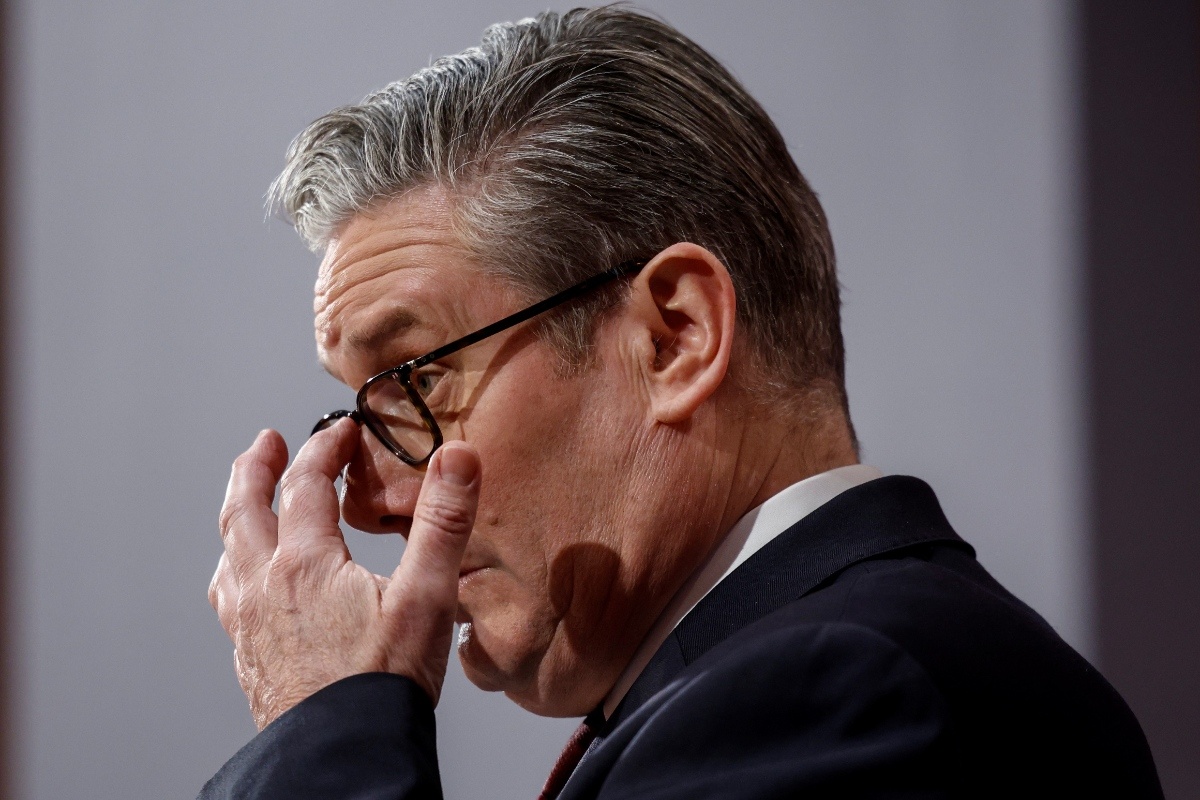
A severe supply shock from the Iran crisis is forcing governments into a stark dilemma: satisfy bond markets with fiscal discipline or voters with intervention, risking stagflation.

The Labour government is drafting legislation to align with EU single market rules using Henry VIII powers, bypassing full parliamentary scrutiny to boost trade and economic ties post-Brexit.

Prime Minister Keir Starmer defends plans for closer UK-EU rule alignment, arguing it's in the national interest amid global turmoil and a decade after Brexit.

The UK government plans a new bill with a 'dynamic alignment mechanism' to implement EU trade rules quickly, using Henry VIII powers that bypass full parliamentary scrutiny.
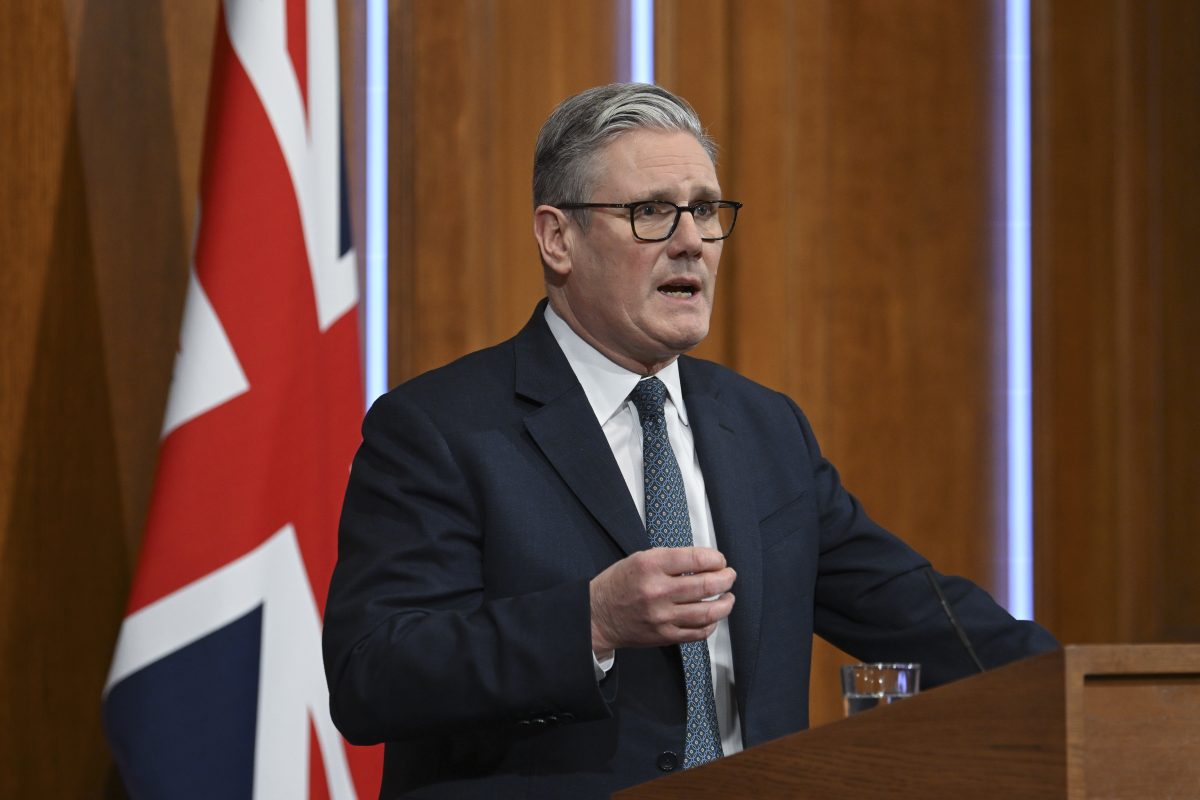
Labour leader Keir Starmer argues that allowing the government to adopt EU single market rules without parliamentary approval serves the UK's national interest amid global uncertainty.

Sir Keir Starmer's government plans legislation allowing EU single market regulations to be adopted through secondary procedures, potentially limiting parliamentary scrutiny on individual rules.

A property manager and a university researcher discuss Brexit's fallout and the affordable housing crisis, finding some common ground despite political divides.

The Home Office begins removing residency rights from EU citizens not continuously living in the UK, using travel data amid concerns over accuracy and safeguards.

Ten years after the Brexit referendum, new research reveals the UK remains a divided nation, with political identities forged in 2016 still shaping elections, media, and social divides today.

Professor Philip Murphy advocates for a Labour-led referendum on UK re-entry to the EU, arguing it would rally electoral support and provide a practical path to restore Britain's place in Europe amid global shifts.

A Conservative-turned-Reform voter and a Nigerian immigrant IT professional bridge political divides over dinner, finding surprising agreement on Israel-Palestine while debating immigration's impact on the UK.

The UK government is backtracking on manifesto promises to ban foie gras and fur imports, citing EU trade deal priorities. Animal welfare charities express bitter disappointment over the decision.
Prime Minister Keir Starmer's plan to reset UK-EU relations without rejoining the bloc faces skepticism, as experts question the feasibility of major concessions from Brussels.

A proposed UK-EU food deal has ignited controversy over marmalade labeling, with critics accusing Labour of undermining Brexit. The rules would align with EU standards, but British marmalade remains unchanged.

A decade after Brexit, Donald Trump's foreign policy stance and insults are driving Britain to reconsider its relationship with Europe, with polls showing growing support for rejoining the EU amid global instability.

A post-Brexit agreement with the EU could change marmalade labeling in UK supermarkets, aligning with relaxed European definitions for fruit preserves.

A system glitch caused up to 200 autonomous taxis to freeze on major roads in Wuhan, China, stranding passengers for hours and sparking safety concerns over self-driving technology.

Prime Minister Keir Starmer calls for deeper UK-EU ties on defence and trade, citing global instability from Trump's actions, while planning a summer summit to strengthen European cooperation.

Prime Minister Keir Starmer announces plans to strengthen UK-EU economic and security cooperation, responding to Trump's NATO withdrawal threats while addressing domestic cost-of-living pressures.

Six years post-lockdown, Britain faces a high-tax, low-growth reality with lasting economic and social scars, from debt burdens to educational gaps and state backlogs.

The European Union has proposed an emergency brake mechanism for a new youth experience visa with the UK, while Britain seeks stricter caps. Negotiations continue as both sides aim to finalize the scheme by 2026.

Victoria and Tasmania implement free public transport for up to a month to combat soaring petrol prices caused by the Iran war, aiming to relieve cost-of-living pressures.

Washington's ambassador to Britain warns that closer UK-EU ties could jeopardize the US-UK trade agreement if they affect American commercial interests, amid growing diplomatic tensions.

Business Secretary Peter Kyle suggests rejoining the EU customs union could enhance UK economic prospects, as London trade data shows growth. Labour figures advocate closer EU ties.