
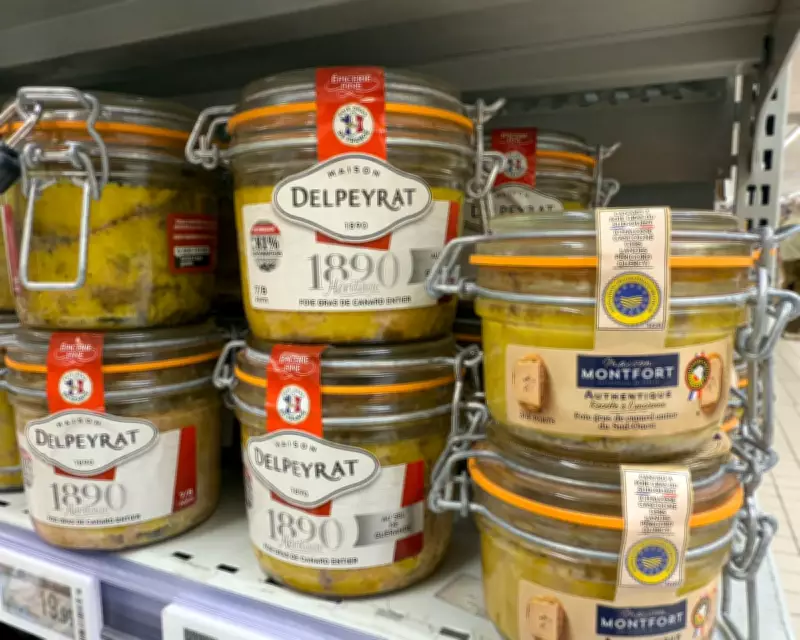
UK Government Abandons Foie Gras and Fur Import Bans in EU Trade Deal Talks
The UK government is set to break a key manifesto commitment by dropping plans to ban imports of foie gras and fur, as part of efforts to secure a trade deal with the European Union. This move has left animal welfare charities "bitterly disappointed," accusing ministers of failing to leverage Brexit freedoms to restrict what they describe as "cruel" products.
Trade Deal Priorities Override Animal Welfare Pledges
Sources close to UK-EU discussions reveal that the government is prioritizing other sticking points, such as precision breeding of crops, over the import bans. Ministers argue that these areas are more likely to boost the economy than prohibiting foie gras and fur imports. The government recently omitted a foie gras ban from its animal welfare plan and, in response to a consultation on fur, established a working group instead of committing to import restrictions, despite 97% of respondents supporting a ban.
Historical Context and Current Practices
Fur farming has been banned in the UK since 2000, and foie gras production was outlawed in 2006. However, both products continue to be imported, primarily from EU countries, and sold in UK shops and restaurants. Before the election, Labour's then shadow environment secretary, Steve Reed, pledged to ban the commercial import of foie gras, citing the aggressive force-feeding of ducks and geese. Foie gras involves a process called gavage, where birds are force-fed to swell their livers, which are then harvested.
EU Regulations and Brexit Freedoms
EU member states cannot ban each other's products on animal welfare grounds. Post-Brexit, the UK gained the freedom to restrict EU imports but has not exercised this power. Under an upcoming trade agreement expected this autumn, the UK would need an exemption from EU law to implement such bans. David Bowles of the RSPCA expressed disappointment, urging the government to uphold high animal welfare standards without compromise in trade negotiations.
Industry and Activist Reactions
Alexis Gauthier, a London restaurateur and former top foie gras importer turned vegan, criticized the government's decision, calling foie gras an "atrocious product." He now serves a vegan "faux gras" made from mushrooms, lentils, walnuts, and cognac. Claire Bass of Humane World For Animals UK highlighted that outsourcing fur from brutal farming practices abroad should not be part of UK trade policies. Despite some shops, like Fortnum and Mason, removing foie gras from shelves in 2021, many restaurants still sell it.
Political Backtracking and Future Steps
Boris Johnson's Conservative government had initially planned to ban these imports using "Brexit freedoms" but shelved the plans after backlash from Tory MPs. A spokesperson for the Department for Environment, Food and Rural Affairs stated pride in the UK's high animal welfare standards and noted the publication of an expert report on fur sourcing. The government continues to face pressure from charities to deliver on its commitments without delay.




