
Australia Implements Free Public Transport in Response to Fuel Price Surge
In a bold move to address escalating fuel costs, two Australian states have announced the temporary waiver of public transport fares. This initiative comes as petrol prices have skyrocketed across Australia and the Asia-Pacific region, largely due to disruptions in oil flow from the Iran war.
Free Transport Details in Victoria and Tasmania
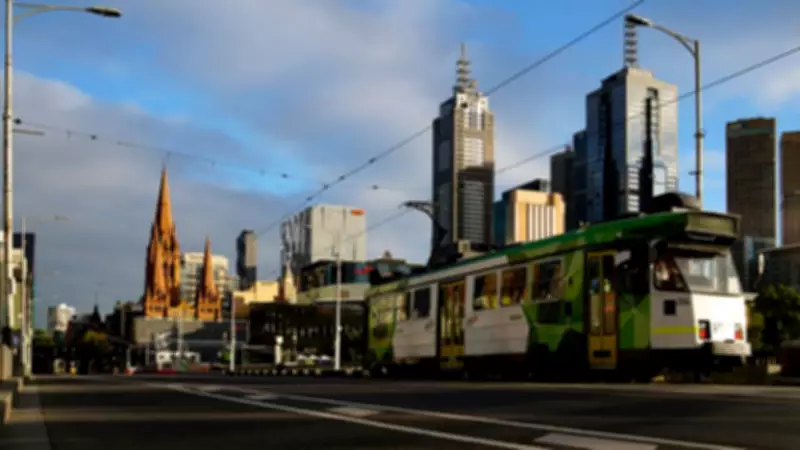
Commuters in Victoria will enjoy free travel on trains, trams, and buses for an entire month, starting from March 31, 2026. Victorian Premier Jacinta Allan described this as a temporary measure designed to alleviate the financial burden on residents. This step aims to make public transport a more affordable alternative to driving, helping Victorians save money at the pump during this challenging period.
Similarly, Tasmania has waived fares on buses and ferries from March 30 to July 1, 2026. Tasmanian Premier Jeremy Rockliff highlighted a recent 20% increase in public transport usage, underscoring the state's commitment to supporting families facing budget strains. This action represents one of Tasmania's most significant cost-of-living interventions, providing immediate relief to residents.
Impact of the Iran War on Fuel Prices
The conflict in Iran has severely restricted oil shipments through the Strait of Hormuz, a critical passage for 80% of Asia's fuel supply. Consequently, petrol prices in Australia have surged from an average of $1.70 per litre before the war to approximately $2.50 per litre at some stations. This spike has triggered widespread shortages, with some fuel stations running dry, particularly in remote areas.
To mitigate these effects, Australia has been releasing petrol and diesel from domestic reserves. However, the broader region continues to grapple with severe disruptions:
- China has banned refined fuel exports to prevent domestic shortages.
- The Philippines has seen protests, leading to reduced government office hours and air conditioning limits.
- India has prioritized household access to liquefied petroleum gas, absorbing price increases to protect low-income families.
- In Thailand, public workers are encouraged to use stairs instead of elevators to conserve energy.
Broader Regional Consequences
The fuel crisis has extended beyond transportation, affecting various sectors. Restaurants in some areas have shortened operating hours and discontinued energy-intensive dishes like curries and deep-fried snacks. These measures reflect the far-reaching economic and social impacts of the ongoing fuel shortages.
As Premier Allan emphasized, while free public transport does not solve all problems, it offers an immediate solution to help Australians navigate this period of uncertainty. The initiative underscores the urgent need for innovative strategies to enhance affordability and resilience in the face of global energy challenges.




