
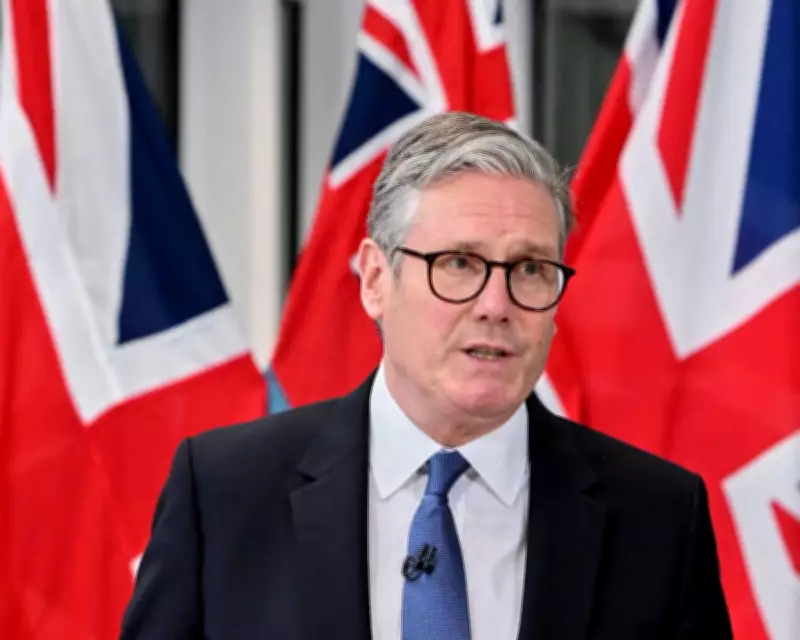
Starmer Champions Closer EU Ties Amid Global Uncertainty
Prime Minister Keir Starmer has robustly defended proposals for the United Kingdom to align more closely with European Union rules, asserting that a stronger relationship with Europe is crucial for the UK's best interests, especially given the volatile international landscape marked by conflicts such as the Iran war. Speaking to the BBC, Starmer emphasized that nearly ten years after the Brexit referendum, it is time to "look forward" rather than rehash past debates.
Legislative Powers and Parliamentary Scrutiny
A new bill focused on a food and drink trade deal with the EU will grant the government powers to dynamically align with European regulations where agreements already exist. This legislation will also enable the UK to swiftly implement evolving single market rules if deemed in the national interest, without requiring full parliamentary scrutiny for each instance. When questioned if this approach constitutes "integration with the EU by stealth," Starmer firmly denied excluding MPs, stating that changes would only occur "if parliament passes the legislation."
He elaborated on the rationale, highlighting the global context of massive conflict and uncertainty. Starmer argued that closer ties with Europe are inevitable in areas like defence, security, energy, and the economy. The planned measures aim to reduce burdens for businesses, potentially leading to lower prices, particularly for food and agricultural products, which he described as a positive step for consumers.
Political Opposition and Forward Momentum
The Conservative Party has condemned the plans, with Shadow Business Secretary Andrew Griffith accusing Starmer of failing to accept the 2016 referendum outcome and reducing parliament to a mere spectator. In contrast, Starmer urged opponents to recognize the changed world, advocating for a forward-looking perspective that prioritizes national interests over decade-old arguments.
At a Westminster press conference, Reform UK leader Nigel Farage criticized the move, calling it an economic misstep and a betrayal of the Brexit vote. He argued that aligning with a declining global economy makes little sense and devalues parliamentary democracy.
Economic and Procedural Implications
Under the proposed bill, ministers anticipate economic benefits, including billions added to the UK economy, mitigation of costs from the Iran conflict, and improved productivity. If passed, negotiators could adopt EU rules on sectors like cars and farming using secondary legislation, which parliament can approve or reject but not amend. This process might lead to MPs rubber-stamping deals rather than debating each one, with blocking votes potentially triggering EU retaliation.
A government source acknowledged expected resistance from hardline Brexit supporters but stressed that international agreements inherently involve shared rules, framing the approach as pragmatic. The insider contrasted this with Farage's stance, suggesting a lack of willingness to engage in deal-making with the EU.




