
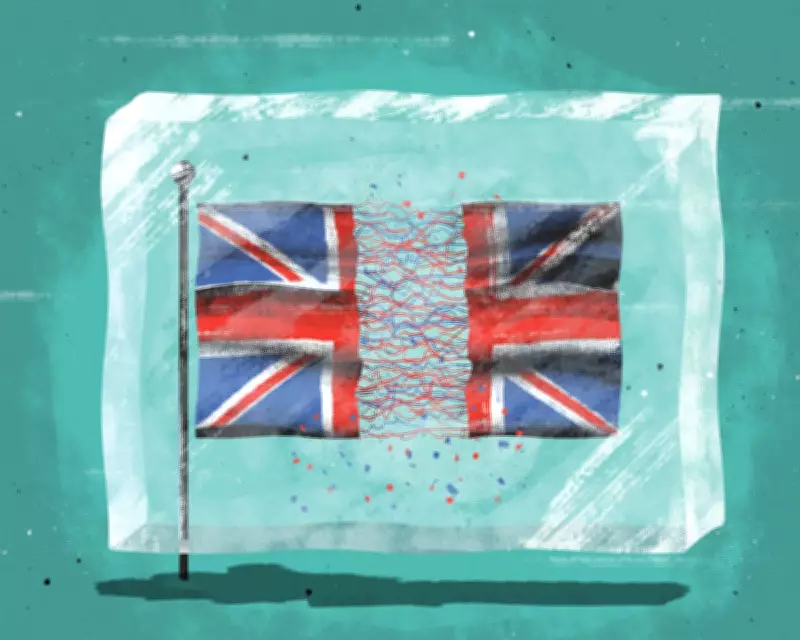
Brexit's Enduring Divide: How a Referendum Froze Britain in Time
Ten years after the historic Brexit vote, the United Kingdom stands as a nation profoundly divided, with political tribalism not fading but intensifying over the past decade. New research uncovers that British politics has become ever more polarised and fractious, rooted in identities formed during the 2016 referendum.
On June 23, 2016, the British voter underwent a fundamental transformation. Prior to that day, political allegiance typically aligned with traditional parties, predominantly red or blue. By that morning, however, only two tribes held significance: remain or leave. These allegiances persisted long after the result was declared, evolving from temporary stances into core personal identities. Voters ceased to identify as Labour supporters or Conservative families, instead embracing labels like remoaners or Brexiters. Astonishingly, even today, 60% of Britons still define themselves by where they placed a single cross in a one-off poll a decade ago.
The Ripple Effects of a National Civil War
When discussing Brexit's impact, conversations often centre on policy shifts or high-level political manoeuvres, such as the UK's bumpier economic trajectory or internal Tory conflicts. Yet, the referendum's influence expanded far beyond the rivalry between Boris Johnson and David Cameron. It ignited a civil war that swept across the country, drawing nearly everyone into one camp or the other. The repercussions continue to resonate through contemporary elections and media landscapes.
Before the murder of George Floyd or the rollout of Covid vaccines, Brexit emerged as contemporary Britain's most potent form of identity politics. Preceding the Gaza conflict, it radicalised an entire generation of voters. Without the referendum, phenomena like GB News and The Rest Is Politics podcast might not exist. Terms such as centrist dads or gammon hecklers on Question Time would be absent from public discourse. Figures like Nigel Farage and Zack Polanski would not be topping polls or gearing up for potential triumphs in upcoming elections. Moreover, racism of the Tommy Robinson variety would likely remain a fringe pursuit. The history of each of these modern British facets traces back to the summer of 2016.
Evidence from Academic Research
This analysis draws from a new book by politics professors Sara Hobolt and James Tilley, titled Tribal Politics: How Brexit Divided Britain. Their work involved conducting and analysing extensive surveys of voters over many years. Collectively, the findings present a narrative that is both straightforward and starkly different from the version promoted by figures like Farage.
According to the co-founder of the company trading as Reform, Brexit represented a desire cherished by all right-thinking Britons. In reality, however, the British public paid scant attention to the EU until the referendum. While polls often reflected Eurosceptic sentiments, there was no overwhelming demand for exit. When David Cameron urged his party in 2006 to stop banging on about Europe, it was because the topic failed to engage voters. This changed years later when the Tory leader yielded to backbencher pressure.
At that juncture, an obsession of a small Westminster elite was transformed into a public concern, dominating airwaves and front pages for months. The populace chose sides, debating the issue in pubs and at family dinners. As any reader of modern self-help literature knows, such behaviours can solidify into identities. James Clear, author of the bestseller Atomic Habits, notes: To change your behaviour for good, you need to start believing new things about yourself. You need to build identity-based habits.
The Aftermath: Where Identities Hardened
One's stance on Brexit evolved into an identity-based habit, reinforced repeatedly. Crucially, this process did not cease on polling day. The narrow result, the shock it delivered to Westminster, and the monumental changes anticipated for British politics, businesses, and households ensured the argument persisted and grew more public. Street stalls proliferated, special EU berets were sold, and marches filled central London. At the Last Night of the Proms in 2017, activists distributed EU flags at entrances, sparking mini flag-offs between remainers in the stalls and union jack-wielding traditionalists near the conductor.
In forging these new identities, the aftermath proved more influential than the campaign itself. Among Hobolt and Tilley's graphs is one depicting emotional attachment to Brexit identity before and after polling day. A modest attachment is visible a month prior, strengthening as the vote approached. However, the most significant surge occurred after the results were announced. Once the match concluded, the fans continued shouting, and their voices grew louder.
The Persistence of Tribalism and Its Consequences
Tribalism has not diminished with time; it remains robust. Unsurprisingly, whether one voted in or out shapes perceptions of Brexit's success or failure. Yet, it also influences views of the opposing side: remainers perceive leavers as selfish, hypocritical, and closed-minded, and vice versa. By 2025, only about 40% of leavers are willing to engage in political discussions with remainers; data indicates the sentiment is mutual. Such figures transcend mere opposition, evidencing discrimination. Individuals on one side often resist the idea of those on the other sharing their homes or marrying their children.
Remainers and leavers did not just disagree over Brexit, the authors write. They increasingly disagreed over reality itself. They demonstrate how, as late as 2024, the sides contested the state of the economy.
The Spectre of Class in Modern Politics
A spectre haunts this new political landscape: the spectre of class. The 20th century epitomised class politics, but two words altered that dynamic: Tony Blair. A prior study co-authored by Tilley reveals that the working class remained loyal voters until the 1990s, when the party of labour declared we are all middle-class now. The study concludes: The decline of class-based voting was driven by Labour's shift to the political centre-ground. While Keir Starmer highlights his working-class origins and team, this often feels gestural—symbolised by displaying union jacks (a very post-Brexit gesture) rather than enacting substantive change.
When class is exiled from politics, culture wars fill the void. The UK's withdrawal from the EU fundamentally aimed to alter economic and trading relations with 27 other countries. However, the leave campaign lacked clear ideas on new trade terms—a primary reason the post-vote period remained chaotic for so long. For Brexiters, immigration served as the killer baseball bat, as Dominic Cummings described it, wielded forcefully against opponents.
Policy Divides and the Winners of Empty Politics
Perhaps the most dismal chart in Hobolt and Tilley's book summarises policy differences between remainers and leavers. Topping the list is immigration, followed by foreign aid and the death penalty. The two sides exhibit minimal divergence on issues like reducing inequality, improving worker treatment, or expanding public ownership. In essence, they debate matters unlikely to significantly impact earnings, bills, or post-tax income. Those who thrive in such empty political climates are typically already prosperous. Even in defeat, they prosper. By the end of 2016, Cameron had vacated No. 10, reportedly earning nearly as much for a 60-minute talk as his annual prime ministerial salary. Members of his team secured honours and lucrative consultancies, advising businesses on navigating a referendum they had mishandled.
We inhabit an era marked by polarisation and grift, blatant falsehoods, and institutional blame. Yet, Britain reached this point by passing milestones like the 2016 Brexit vote, where another elite debacle spiralled into a prolonged, bloody national breakdown, pitting neighbours, colleagues, and families against each other. And for what? The question lingers, underscoring a decade of division frozen in time.




