
Families Given 7 Days to Accept UK Deportation or Face Removal
The Home Office targets 150 families with refused asylum claims, offering up to £40,000 for voluntary return within a week or facing forcible removal, including handcuffing children.

The Home Office targets 150 families with refused asylum claims, offering up to £40,000 for voluntary return within a week or facing forcible removal, including handcuffing children.

Iranian women seeking refuge in Australia confront a complex asylum process, with visa delays and offshore detention centers like Nauru raising human rights concerns.

Iranian football players seeking asylum in Australia navigate emotional challenges and cultural adjustments while building new lives after fleeing their homeland.

Australia implements a ban on Snapchat, raising questions about social media compliance with national regulations and its impact on digital communication.

A mother from Togo faces a 10-year wait for indefinite leave to remain under new immigration rules, fearing her six-year-old daughter's cancer treatment at Great Ormond Street Hospital could be jeopardized.

Human rights groups report a surge in blackmail and extortion targeting LGBTQ+ individuals in Kenya, often accompanied by violence, as legal restrictions tighten and homophobic attitudes worsen.

Thousands of low-paid Filipino migrant workers across the Middle East face daily missile threats while weighing impossible choices between safety and supporting families back home.

Australia's Home Affairs Minister confirms two additional Iranian women's football team members received humanitarian visas, bringing total asylum seekers to seven after team's controversial tournament.

The Iranian women's football team has applied for asylum in Australia, sparking political debates between Labor and Coalition parties over immigration policies.

The Home Office has refused Foreign Secretary Yvette Cooper's request to exempt exceptional Chevening scholars from student visa suspensions for Afghanistan, Cameroon, Myanmar, and Sudan, citing asylum abuse concerns.

Letters to the Guardian challenge stereotypes about Dubai residents, highlighting ordinary professionals and families concerned with safety, not fantasy lifestyles, amid Middle East tensions.

The Blavatnik School of Government at Oxford University criticizes the UK's student visa ban for Afghanistan, Cameroon, Myanmar, and Sudan, highlighting how it stifles leadership and innovation from conflict-affected regions.

Thousands of immigrant truck drivers are being forced off US roads due to ICE enforcement of English proficiency rules, threatening severe supply chain disruptions and higher freight costs nationwide.

Australia's Home Affairs Minister Tony Burke confirms five Iranian women's footballers received humanitarian visas, with more expected to seek asylum amid a delicate squad-wide rights effort.

Australia's prisons watchdog reports 12 escapes and critical understaffing since US company MTC took over immigration detention centers, with safety standards plummeting.

Labor introduces urgent legislation allowing the home affairs minister to prevent temporary visa holders from certain regions, like Iran, from entering Australia to protect immigration system integrity.

Donald Trump announced Australia granted asylum to five Iranian women footballers, with Home Affairs Minister Tony Burke set to clarify the situation in Brisbane.

Mahmoud Khalil writes to Leqaa Kordia, a fellow Palestinian detained by ICE for nearly a year, reflecting on shared exile, faith, and resistance against political persecution.

Texas lawmakers from both parties criticize ICE for detaining two teenage mariachi musicians, ages 14 and 18, who were honored in Congress last year. The family, including their parents and younger brother, were taken into custody in Raymondville, Texas.

Somali Americans in Columbus, Ohio, report intimidation, harassment, and business struggles following racist remarks by Donald Trump and an ICE operation targeting immigrants.

As the Iran war expands, the Iranian diaspora worldwide confronts a complex mix of fear, grief, and political ambivalence, with voices from abroad highlighting diverse perspectives on the crisis.

Virtual private network apps have skyrocketed in popularity in Australia as adult websites implement age verification codes, with downloads surging up to 1,800% in similar cases globally.

Critics argue that Shabana Mahmood's new asylum rules, including temporary refugee status reviews every 30 months, undermine humanitarian obligations and lack feasibility.

Thousands of Haitians seeking refuge in Mexico confront prolonged uncertainty due to funding cuts, US political pressure, and bureaucratic delays, highlighting a strained immigration system.

Survivors of Ireland's mother and baby homes in Britain risk losing means-tested benefits after accepting Irish government redress, as campaigners push for Philomena's Law to protect payments.

Starting December, Australians must verify their age using photo ID or facial recognition to access pornography online, as part of new government regulations.
Three adults who lost parents to deportation as children reveal the devastating emotional, physical, and financial impacts that persist into their 20s, 30s, and 40s, with experts warning these separations constitute psychological torture.

California's superintendent calls for federal action after ICE deports a deaf six-year-old boy, his mother, and sibling to Colombia without his cochlear implant and communication devices.
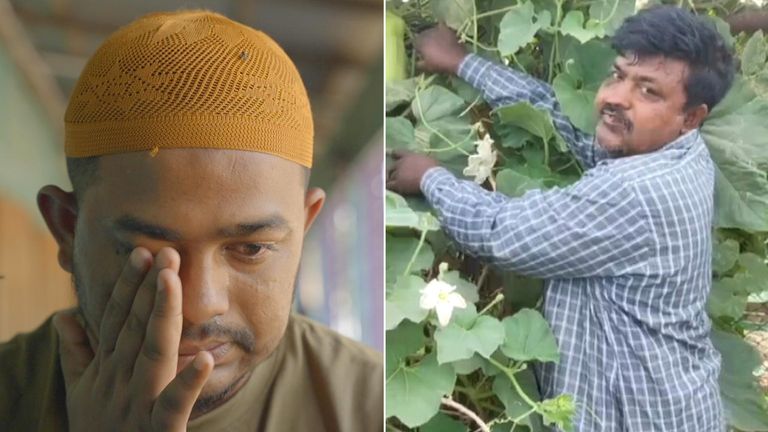
Saleh Ahmed, a 55-year-old Bangladeshi expat, was delivering water in Ajman when debris from an Iranian missile strike fatally struck him. His son reveals the family believes he would have stayed indoors if he knew the conflict had begun.

Estefany Rodriguez Florez, a Spanish-language reporter critical of ICE, was detained during a traffic stop without a warrant, raising concerns about press freedom and immigration enforcement.