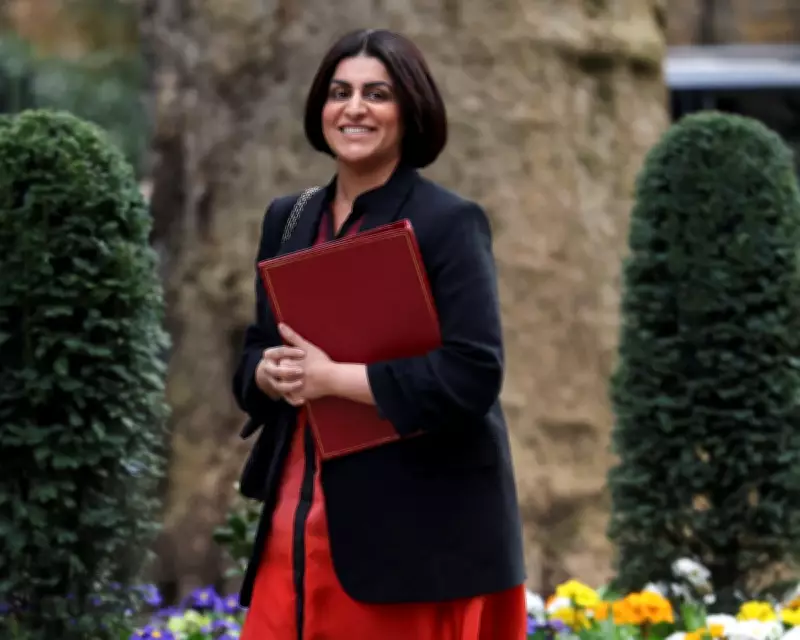
Home Office Asylum Reforms Face Backlash Over Refugee Uncertainty
In a scathing critique, critics have slammed Home Secretary Shabana Mahmood's recent changes to the asylum system, arguing they leave refugees in a state of cruel uncertainty. The new rules, which include making asylum status temporary and subject to review every 30 months, have sparked concerns over compliance with the UN Refugee Convention and moral obligations.
Legal and Humanitarian Concerns Raised
The Law Society has warned that these reforms may undermine the UK's legal commitments under the refugee convention. However, broader humanitarian issues are at the forefront. The convention was established to provide sanctuary and opportunities for rebuilding lives, yet the policy threatens to destabilize refugees' ability to settle meaningfully in the UK.
Refugees under this system face significant challenges: obtaining mortgages becomes nearly impossible without long-term residency guarantees, employers may hesitate to hire due to short-term employment prospects, and young people struggle to plan education around courses that could outlast their right to stay. This raises questions about whether a Labour government should treat accepted asylum seekers in such a manner, echoing doubts about the party's moral direction.
Feasibility and Resource Issues Highlighted
Despite Mahmood's claims, the Home Office lacks the capacity and resources to implement this policy effectively. Current asylum applications already take over a year to process, and increasing reviews every two and a half years is deemed unfeasible and costly. This could lead to more individuals in limbo, at risk of becoming undocumented and exploited, without evidence supporting the policy's effectiveness.
Daniel Sohege, Director of Stand For All, notes that the policy seems designed for headlines rather than practical solutions, ignoring the harm to those seeking safety and the broader social costs.
Historical Context and Political Fallout
The UK has a storied history of welcoming refugees, from Huguenots to Ukrainians, but recent policies reflect a hardening stance. Critics compare Mahmood's approach to Reform UK's messaging, prompting some Labour supporters to resign in protest. Paresh Motla, a Ugandan refugee, highlights how barriers to asylum have increased over centuries, with current policies representing a new low for Labour.
He calls for a U-turn, emphasizing the need for compassionate policies that align with traditional Labour values. The debate underscores a growing divide within the party and public over immigration and asylum strategies.