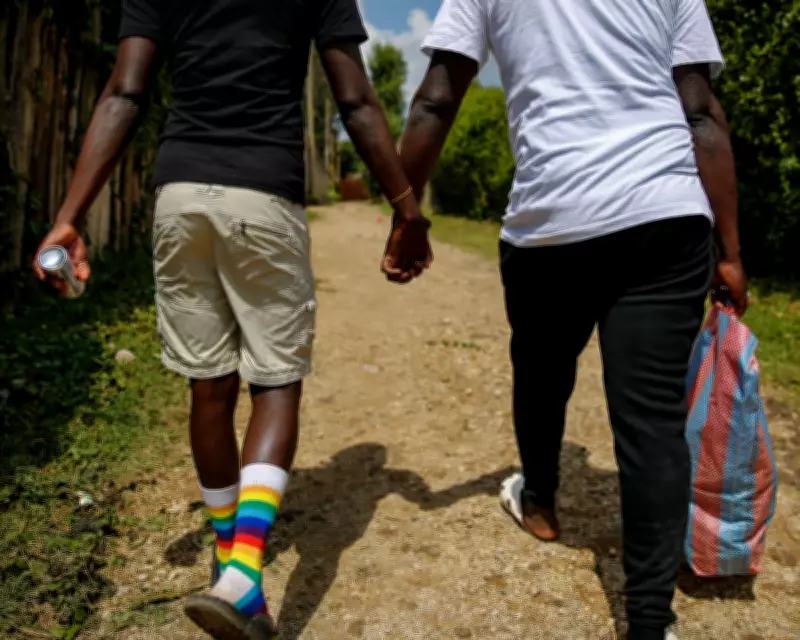
Kenya's LGBTQ+ Community Confronts Escalating Blackmail and Violence
Human rights organizations in Kenya have documented a significant increase in incidents of blackmail and extortion targeting LGBTQ+ individuals, with many cases involving violent assaults. This troubling trend emerges against a backdrop of worsening legal and social conditions for queer people in the east African nation.
Landmark Sentencing Offers Glimmer of Hope
In a rare victory for justice, two perpetrators were sentenced to fifteen years imprisonment on March 3rd at the Milimani law courts in Nairobi for robbery with violence against two gay men. The case, involving individuals identified as "Abel Meli & Another," has been hailed by LGBTQ+ rights advocates as a potential breakthrough.
Njeri Gateru, executive director of the National Gay and Lesbian Human Rights Commission, emphasized the significance of this ruling. "A lot is going against the queer community with the existence of criminal laws and prevailing homophobic attitudes," Gateru stated. "But some of us still trust that we can find justice, so this case encourages us."

Hostile Legal and Social Environment
Kenya remains one of thirty-one African countries that criminalize homosexuality, with gay sex punishable by up to fourteen years imprisonment. Many LGBTQ+ individuals conceal their sexual orientation due to societal rejection and increasing hostility.
The legal landscape has deteriorated further with the introduction of the Family Protection Bill 2023 by MP Peter Kaluma. This legislation seeks to enhance already severe punishments for same-sex relations while imposing new restrictions on LGBTQ+ inclusive education and limiting freedom of expression.
"We are not sure what stage the bill is at, so there is animosity and fear around it," explained Kelly Kigera, programs manager at Ishtar, a community-based organization advocating for men who have sex with men. "The political climate is changing and there is an anti-rights movement in the country. Churches have been educating congregations on how to profile queer people, which has led to rising violence."
Alarming Statistics on Blackmail and Extortion
Ishtar recorded two hundred twenty-six cases of blackmail and extortion in 2025 alone, with sixty-one additional incidents reported during the first two months of 2026. These crimes frequently involve physical violence and psychological trauma.
Lucas Wafula, a paralegal from Ishtar who assists victims, described the challenges LGBTQ+ individuals face when reporting crimes. "Often, when you go to a police station, you are harassed and discriminated against," Wafula revealed. "They tell you that you are not a normal citizen and they throw away your case."
Personal Testimonies Highlight Brutal Reality
The case of Eric Anyango and Joe Ochieng illustrates the brutal nature of these attacks. In April 2023, both men in their mid-twenties endured four hours of physical assault and verbal abuse after meeting a man Ochieng had connected with on Facebook. Three additional men stormed into the location, subjecting them to slapping, kicking, and beating.
The assailants confiscated their phones, wallets, and clothing, then forced them to contact friends and family to transfer money to online accounts under threat of being outed and killed. "I tried to resist and I wanted to fight back," Anyango recalled. "That's when one of them took a knife, held it at me and said: 'If you don't cooperate now, I will stab you and throw you out the window.'"
After transferring one hundred thousand Kenyan shillings (approximately five hundred seventy-six British pounds), the victims were released. With assistance from Ishtar, they reported the crime to police, leading to the arrest of two attackers.
Organized Criminal Networks Exploit Vulnerability
Gateru alleges that the convicted perpetrators belonged to a larger criminal gang that included police members and systematically terrorized queer men. "We had so many files against them," she disclosed. "We've had cases where these two men were arrested for other cases and later released. This can now serve as a deterrent to other gang members who have seen that the law has finally caught up."

Michael Nyaga, spokesperson for the Kenyan national police service, responded that while he hadn't heard specific accusations of police involvement, authorities would be "duty-bound to act on any complaint raised" with proper evidence.
Underreporting Remains Pervasive Challenge
Many blackmail and extortion cases go unreported due to fear of self-incrimination and institutional homophobia. "If I say that I met with a man on Grindr and I was hoping to engage in a romantic or an intimate relationship with this man, then obviously I'm evidence against myself," Gateru explained. "So the blackmailers rely on that. They also rely on the pervasive homophobia and homophobic attitudes within public institutions and also within the general public."
Lasting Trauma and Calls for Justice
While Anyango and Ochieng express relief that justice has been served, both men continue to struggle with emotional and physical scars from their ordeal. "I was emotionally and physically damaged," Ochieng confessed. "I lost everything I was building for a better life in the future on a random date." Trusting others has become particularly difficult for both survivors.
Their message to potential victims emphasizes courage and action. "If you have been blackmailed, don't be afraid," Anyango urged. "There is justice, go to the police station. No one has the right to abuse you or do anything."
As Kenya's LGBTQ+ community navigates increasing threats amid tightening restrictions, this landmark sentencing offers a crucial precedent while highlighting the urgent need for systemic change to protect vulnerable populations from exploitation and violence.