Oxford Scholars Decry UK Visa Ban, Warn of Lost Global Talent
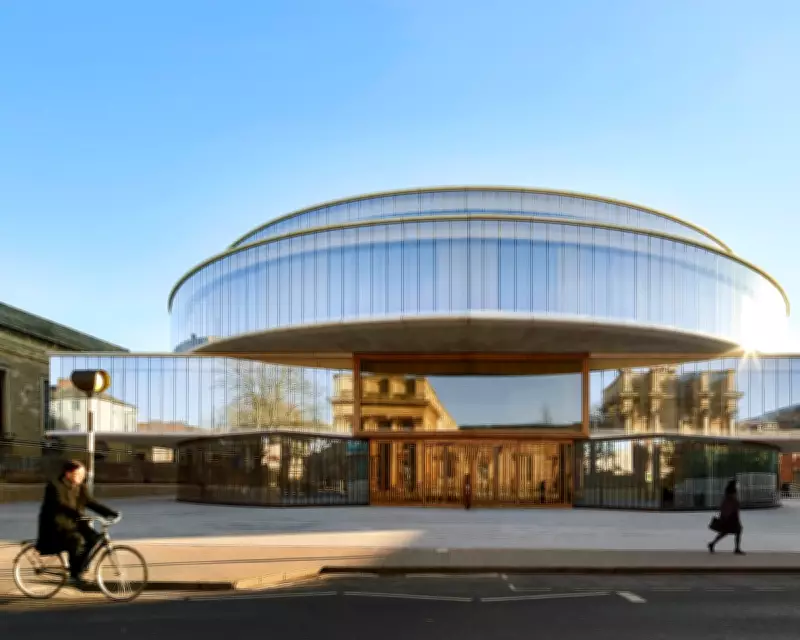
The Blavatnik School of Government at Oxford University has issued a strong rebuke against the UK government's recent decision to halt student visas for nationals from Afghanistan, Cameroon, Myanmar, and Sudan. In a joint letter, Prof Ngaire Woods, the founding dean, and Aziz Magid, chairperson of the Society for the Study of the Sudans UK, argue that this move risks excluding vital talent and leadership essential for global stability and development.
Impact on Future Leaders and Global Solutions
Prof Woods emphasizes that the visa ban undermines the role of UK universities as hubs for addressing worldwide challenges. She cites the example of Shabana Basij-Rasikh, an Afghan student who, after founding the School of Leadership in Afghanistan, came to Oxford in 2019. At the Blavatnik School, she collaborated with peers to map 130 million girls out of school globally and devise policies to enhance educational access. This work underscores how students from these nations contribute innovative solutions to pressing issues.
Other notable alumni include Fatima Bashir, a former dentist from Sudan now working with Gavi, the global vaccine alliance, and Thu Thu Aung, a Pulitzer-winning journalist from Myanmar who serves as editor-in-chief of Frontier Myanmar. These individuals, Prof Woods notes, gained invaluable lessons in resilience and governance from their diverse classmates, experiences that cannot be replicated in textbooks.
Scholarship Funding and Educational Ties at Risk
The Blavatnik School reports that 76% of its master of public policy students receive full scholarships, with 11% obtaining partial funding. Many are committed to public service, including those planning to run for office within five years of graduation. Prof Woods expresses dismay that scholarships earmarked for future leaders from Sudan and Myanmar will now remain unused due to the visa restrictions.
Aziz Magid adds that the ban is a disproportionate response, pointing out that only 120 Sudanese students claimed asylum last year out of over 4 million Sudanese refugees worldwide. He highlights the long-standing educational ties between the UK and Sudan, dating back to colonial times, and argues that maintaining these connections is crucial amid Sudan's ongoing conflict, which has devastated its education sector.
Calls for Policy Reversal and Continued Collaboration
Both signatories urge the government to reconsider the visa halt. Magid calls for at least exempting students on schemes like Chevening and university scholarships, emphasizing that offering British education during times of crisis should be a policy priority. Prof Woods asserts that all countries benefit from shared learning on stability and prosperity, warning against retreating from such international cooperation.
The letter concludes by stressing that the visa ban not only shuts doors on individual potential but also hampers global efforts to foster peace and innovation through educational exchange.