Haitian Migrants Navigate Broken Asylum Systems in Mexico
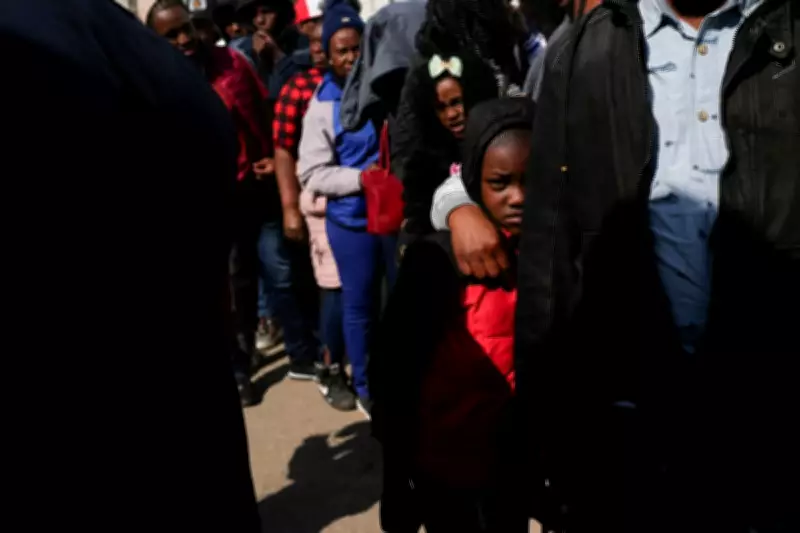
In Mexico City, migrants from Haiti line up outside the Mexican commission for refugee assistance (Comar) office, applying for asylum with hopes of stability. This scene underscores a broader crisis where funding cuts, US political pressure, and bureaucratic delays have left thousands of Haitians facing prolonged uncertainty in Tapachula, a southern city on Mexico's border with Guatemala.
Jean Baptiste Gensley's Journey from Haiti to Mexico
A year ago, Jean Baptiste Gensley, a 37-year-old former radio journalist and social worker from Haiti, arrived in Tapachula with a small backpack and dwindling hope. In his native Port-au-Prince, Gensley analyzed gang violence effects, drawing dangerous attention from gangs. In November 2024, escalating violence led gang members to burn his radio station and home, forcing him to flee. After escaping Haiti and leaving his wife and son in the Dominican Republic for safety, Gensley traveled through rural back roads to Punta Cana, then flew to Quito, Ecuador, and El Salvador, before making his way north by bus, car, and motorcycle taxi into Mexico.
"I had no money left. All my funds were spent during the journey," Gensley said. Initially aiming for the US, he reconsidered due to hardening attitudes under Joe Biden and extreme crackdowns by Donald Trump, opting for Mexico as a safer destination. Four days after arriving in Tapachula, he checked in at Comar, expecting a work permit and residence rights, but months passed without updates, leaving him in restless limbo.
Systemic Challenges in Mexico's Immigration Framework
As thousands of Haitians continue to arrive in Tapachula, the main entry point for northward migration through Central America, many find themselves trapped in hostile or dysfunctional immigration systems involving Mexico, the US, and the UN. Trump's hostility towards Haiti, defunding of international programs, and border restrictions have exacerbated the situation. Since 2010, Haitians in the US had temporary protected status (TPS) after the 2010 earthquake and subsequent violence, but the Trump administration's attempts to terminate TPS have left up to 350,000 Haitians at risk, despite a lawsuit temporarily blocking this move in early February.
Mexico is increasingly a destination for those fleeing war, oppression, poverty, and gang violence, but its immigration system is heavily shaped by US pressure. Trump's tariff threats, including a 25% tariff announced in February 2025 and later reversed, have challenged Mexico's policies. Cuts to US funding for international aid, such as the dismantling of USAID and slashed UN support, have strained Mexico's asylum infrastructure. UNHCR, which provided over 86% of funding for work in Mexico, saw severe cuts, forcing Comar to struggle with processing applications and leading to near-standstill conditions.
Impact on Asylum Seekers and Community Responses
In Tapachula, migration-focused organizations attempt to fill gaps left by funding cuts, but several shelters have closed. UNHCR spokesperson Melanie Gallant noted that despite a more than 50% funding cut, essential support continues, but global budget pressures affect services. Mexican immigration authorities restrict asylum seekers to their initial city, requiring biweekly check-ins, and most find only low-paid, off-the-books work. Immigration lawyer Jesús Zamarrón explained that Mexico enforces US priorities under tariff threats, using Tapachula as an extension of the US border and relying on the southern border with Guatemala as a containment zone.
Delays are particularly severe for Haitians, who often lack Spanish proficiency and require interpreters for asylum interviews. Comar's funding cuts led to layoffs, including interpreters, lengthening processes beyond the legal 45-90 day timeframe. Gensley waited nine months for approval, while others, like Christelle, a Haitian teacher, have spent 10 months without an interview. Comar's application of the Cartagena declaration, which expands refugee definitions for Haitians, is questioned for fairness if access remains limited.
Building Community Amidst Adversity
Despite challenges, Haitians in Tapachula find comfort in community. David Corrielan, a TikToker known as El Haitiano Mexicano, shares guides on life in Mexico, promoting cultural exchange. In Tijuana, a substantial Haitian community has grown from earlier migration waves, with figures like Vivianne Petit Frére establishing roots through businesses like her restaurant Lakou Lakay. Petit Frére, who fled violence after President Jovenel Moïse's assassination, found opportunity in Tijuana, shifting from the "American Dream" to building stability in Mexico.
"What they're looking for isn't necessarily the United States. It's stability, whether economic or moral," Petit Frére said. Back in Tapachula, Gensley and others wait for that stability, hoping to reunite with families. Gensley reflects, "I don't know if things will get better now that I have my documents. I have to remain patient. That's it." The obstacles are many, but for Haitians seeking refuge, Mexico remains a complex yet potential answer amidst broken systems.