Iranian Diaspora Confronts Loss and Uncertainty as Conflict Escalates
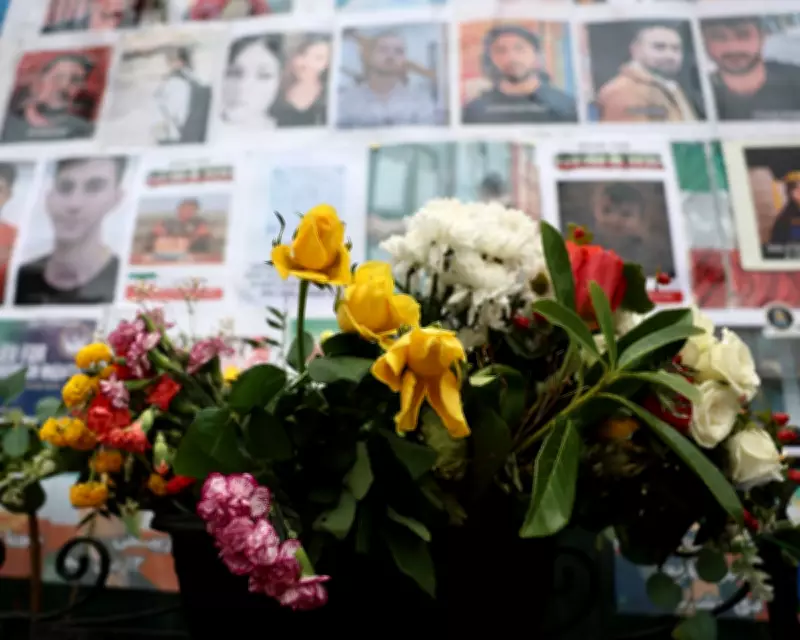
Photographs of Iranian protesters killed in anti-government demonstrations are displayed on a wall in London, symbolizing the deep emotional toll of the ongoing crisis. As war broadens in the Middle East, media coverage often focuses on geopolitical dynamics, economic impacts, and casualty counts, but the voices of those directly affected, particularly within the global Iranian diaspora, risk being overshadowed.
Diverse Reactions Across the Diaspora
Iran, with a population exceeding 80 million and over 60 languages spoken, is far from a monolithic society. Its diaspora, estimated between two and four million people, reflects this diversity through a wide range of responses to the conflict. Dr Hosnieh Djafari-Marbini, an Iranian-born NHS consultant anaesthetist and local councillor in Oxford, describes the experience as "living in a parallel universe," where daily life continues amidst devastating news from home.
She recalls vivid memories of her childhood streets in Iran, now subjected to indiscriminate bombing, expressing heartbreak over the destruction. Her father, a refugee involved in the 1970s revolution who later served prison time for opposing regime actions, underscores the personal stakes, with family still in Iran. Dr Djafari-Marbini notes that colleagues from various backgrounds share her view that the war is "madness," aligning with YouGov data showing 49% of Britons oppose the attacks.
Complex Political Ambivalence
The killing of Ayatollah Ali Khamenei has elicited polarized reactions, yet many in the diaspora reject both the regime and foreign intervention. Dr Djafari-Marbini emphasizes that Iranian voices are often forced into a binary choice, whereas many "reject both" options. Protests worldwide, from Shiite Muslims in Kashmir to anti-war demonstrators in the US, highlight the global resonance of the conflict.
Human rights groups warn that Iran's internet blackout could exacerbate the human toll, as civilians struggle to access reliable information. The diversity of Iranian society, marked by class and ethnic differences, further complicates the narrative, with children from poor backgrounds disproportionately affected by strikes like the Shajareh Tayyebeh school bombing.
A Divided Diaspora and Fears for the Future
Reactions among Iranians abroad vary significantly. Some, like a 28-year-old student in the Netherlands, argue that foreign intervention is necessary due to domestic repression, while others in areas like London's "Little Tehran" express unease over celebrating Khamenei's death. For many, the immediate concern is family safety, with individuals like Ehsan Hakimi in Sydney watching footage of neighborhoods they once called home.
Dr Djafari-Marbini's greatest fear is the potential for a deepening conflict, possibly leading to civil war and long-term instability, with reports of US encouragement for Kurdish involvement adding to anxieties. She questions how this could result in a "stable, democratic outcome," echoing broader uncertainties within the diaspora as the war continues to displace millions and reshape the region.