Catherine Lampert: A Life Transformed by Art and Artists
Catherine Lampert, a distinguished art historian and curator, has spent decades at the heart of the contemporary art world, serving as a muse and confidante to some of Britain's most revered painters. Her unique journey, marked by 46 years of weekly sittings for Frank Auerbach, offers a profound glimpse into the emotional and artistic bonds that define creative legacies.
The Enduring Connection with Frank Auerbach
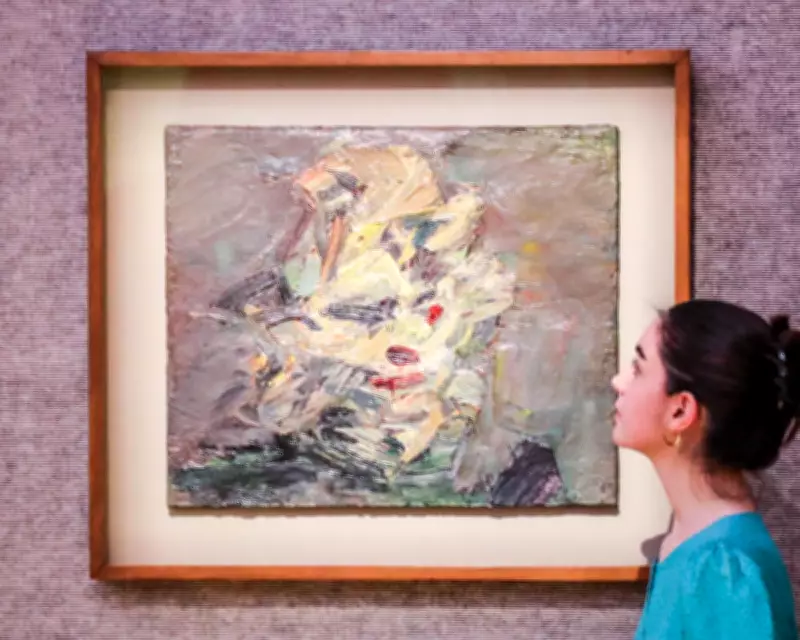
From 1978 until Auerbach's passing in November 2024, Lampert dedicated two hours each week to sitting in his studio, a commitment she describes as "life-changing." "Frank and his work and the privilege of being in his studio affected me so emotionally," she reflects. This relationship went beyond professional collaboration, fostering a deep personal connection. In 2013, while preparing a Daumier exhibition, Lampert visited Berlin to see the Stolperstein commemorating Auerbach's parents, who were murdered at Auschwitz, an experience that deepened her understanding of his trauma and artistry.
Lampert recalls a poignant moment at Auerbach's 93rd birthday in April 2024, where she offered him a shoulder massage to ease his discomfort, a gesture that surprised onlookers but exemplified her care. "I'm really, really, really missing him," she admits, highlighting the void left by his absence. After his death, she spent months documenting his studio, noting the open books and images that revealed his creative mind.
Collaborations with Lucian Freud and Euan Uglow
Lampert's influence extends to other giants of British art. She met Lucian Freud in 1981, engaging in weekly interactions that blended charm and spontaneity. Freud's postcards, which she discovered in the National Portrait Gallery archive, underscore their lasting rapport. "Lucian was so charming. He could just touch somebody's shoulder, and there was nobody else, you know?" she says, emphasizing his unique ability to connect.
Her work with Euan Uglow, particularly on his catalogue raisonné, showcases her dedication to preserving artistic heritage. In Uglow's final months, Lampert recorded his insights on paintings like Potiphar's Wife, treasuring details about composition and drapery. "Euan was quite cryptic," she notes, "but in the last months, he let me record him... 'This is what this picture is about.'" This collaboration culminated in Euan Uglow: An Arc from the Eye at MK Gallery, his first major show in two decades.
A Career of Persistence and Passion
Born in Washington DC in 1946, Lampert moved to London as a 20-year-old exchange student at the Slade, where she forged her own path in sculpture. Over the years, she held pivotal roles at the Arts Council, Hayward Gallery, and as director of the Whitechapel Gallery until 2001. "I've been persistent," she asserts, "and I have pushed." Her efforts include convincing Freud to advocate for Auerbach's Royal Academy exhibition and curating Paula Rego's 2019 show, which revived interest in her work.
Despite approaching 80, Lampert remains tirelessly active, co-authoring Freud's catalogue raisonné, curating an Auerbach retrospective, and contributing to exhibitions globally. "I never seem to want to stop working. It's just so distracting to be thinking about art – and seeing it too," she explains. Her recent activities include acquiring a Charles Avery piece and enjoying Brian Eno's DJ set at Peter Doig's Serpentine exhibition, blending art and music in immersive experiences.
The Emotional Rewards of Sitting
When asked what she gained from decades of sitting for artists, Lampert responds instantly: "Everything. I always came out in a really good mood. It never failed." This sentiment captures the essence of her journey—a fusion of professional rigor and personal fulfillment. Her story underscores how deep relationships with artists like Auerbach, Freud, and Uglow transcend mere collaboration, shaping both art history and human connection.
Euan Uglow: An Arc from the Eye runs at MK Gallery, Milton Keynes, until 31 May, while Lucian Freud: Drawing into Painting continues at the National Portrait Gallery, London, until 4 May.