Mousehole Residents Rally to Save Crucial Bus Stop Amid Service Cuts
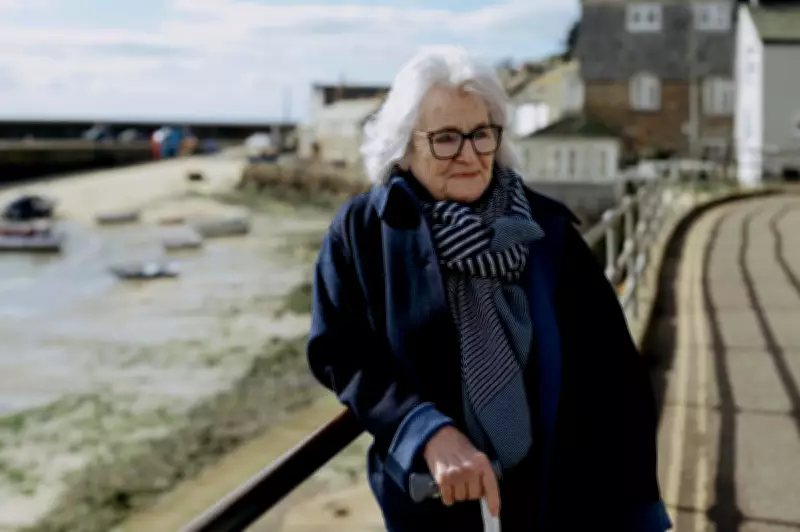
In the serene fishing village of Mousehole, Cornwall, a quiet crisis is unfolding as residents grapple with the loss of a vital bus stop that once connected them to the outside world. Long-time local Judy O’Shea, among 5,000 signatories of a petition to "make Mousehole accessible again," embodies the community's struggle. The removal of this stop, part of a route dating back to the 1920s, has left many, especially the elderly and disabled, feeling isolated and abandoned.
The Impact on Daily Life in a Coastal Village
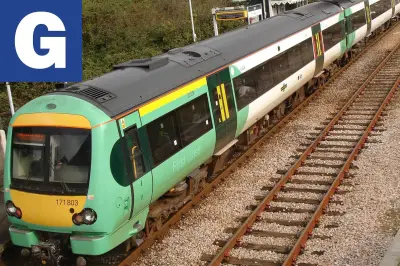
Mousehole, once described by Welsh poet Dylan Thomas as "the loveliest village in England," now faces a stark reality. With no ATM, pharmacy, or general store, the bus was a lifeline for essentials. The service change occurred in February when Go-Ahead transport group replaced small buses with larger ones, deemed unsafe for the village's narrow streets. This forced the route to end at the village edge, requiring residents to trek uphill without pavements to reach the new stop.
Judy O’Shea, 83, who has lived in Mousehole for 54 years, relies on a walking stick due to arthritis. She used the bus at least three times weekly, but now finds it "out of the question." Similarly, Hannah Devenney, 50, with spinal arthritis, has reduced her bus use dramatically, switching to online shopping and feeling increasingly isolated. Her family, including children and disabled relatives, has been affected, highlighting how transport cuts ripple through communities.
Broader Implications for Rural Transport
This issue extends beyond Mousehole, reflecting a national trend. Michael Solomon Williams of the Campaign for Better Transport notes that bus stops are "a shop window for public transport," and their removal can lead to negative perceptions and reduced usage. In England, nearly a fifth of rural bus services have been cut in the past five years, with London losing 40 routes in two years. Funding challenges exacerbate the problem, as Richard Stevens of Go South West explains: patronage hasn't recovered post-Covid, and fare caps make profitability difficult, especially in rural areas.
Stevens acknowledges the dilemma, stating that no bus small enough for Mousehole's streets is commercially sustainable for the entire route. He has committed to exploring medium-sized bus options, but remains cautious. Meanwhile, residents have improvised with garden chairs tied to railings at the new stop, dubbed "the oxygen station" for those needing rest after the uphill walk.
Community Response and Political Pressures
Local councillor Thalia Marrington advocates for government ministers to witness rural transport challenges firsthand. She emphasizes that services in sparsely populated areas like Cornwall cost more to run, yet funding doesn't reflect this. While she supports community-based solutions like car-sharing, she notes limited power over the non-subsidized Mousehole route. The petition and protests, including "Save Our Stop" banners, show strong public sentiment, but blame has sometimes turned personal.
Roger French, a public transport blogger, suggests that a bus size between a minibus and single-decker might be ideal, balancing safety and sustainability. He urges perseverance with the new arrangement while acknowledging funding shortfalls. Nationally, bus investment has fluctuated, with Labour promising a £3bn boost, but careful allocation is crucial to avoid waste.
The Future of Accessibility in Mousehole
The Campaign for Better Transport highlights that transport connectivity fosters economic growth and reduces inequality. In "left behind" neighborhoods like Mousehole, low car ownership and poor public transport create a vicious cycle of isolation. Solomon Williams praises the community's activism, urging authorities to reconsider possibilities when response is so clear.
As Mousehole residents fight to restore their bus stop, their story underscores a broader crisis in rural accessibility. With 40% of the village elderly, the stakes are high for maintaining a lifeline that connects them to jobs, healthcare, and community. The outcome could set a precedent for how the UK addresses transport disparities in picturesque yet vulnerable locales.