Heathrow's Third Runway Expansion Faces Parking Cost Controversy
London's Heathrow Airport, already Europe's busiest aviation hub, is embroiled in a heated debate over its ambitious £49 billion expansion plan. While the proposed third runway promises significant capacity increases, attention has shifted to a surprising element of the project: what could become the world's most expensive car parking facility.
Massive Investment in Parking Infrastructure
The expansion blueprint, approved by the Government last year, includes consolidating 20 existing car parks into two massive multi-storey structures capable of accommodating up to 36,000 vehicles. Heathrow officials have stated this parking component would consume approximately £1.3 billion of the overall budget, translating to roughly £36,000 per parking space.
However, leaked documents obtained by The Times reveal a potentially much higher price tag. According to these confidential papers, the actual cost could reach £2.6 billion, pushing the per-space expense to a staggering £76,000. This would establish Heathrow's parking as the most expensive globally, surpassing even premium parking facilities in cities like Tokyo and New York.
Heathrow's Response and Expansion Justification
Airport authorities have strongly denied the higher figures, calling them "another misrepresentation of the facts." In an official statement, Heathrow emphasized their commitment to improving passenger experience: "We want to make it easier and more convenient for passengers and colleagues travelling to and from the airport. Heathrow expansion presents a unique opportunity to transform this."
The statement further detailed: "Our proposal includes an estimated construction cost of £1.3 billion that would combine 20 current car parks into two dedicated parkways either side of the airport. Wider investments also include an overhaul of how passengers travel around the airport campus and new parking, drop-off and bus facilities at Terminal 5."
Capacity Crisis and European Competition
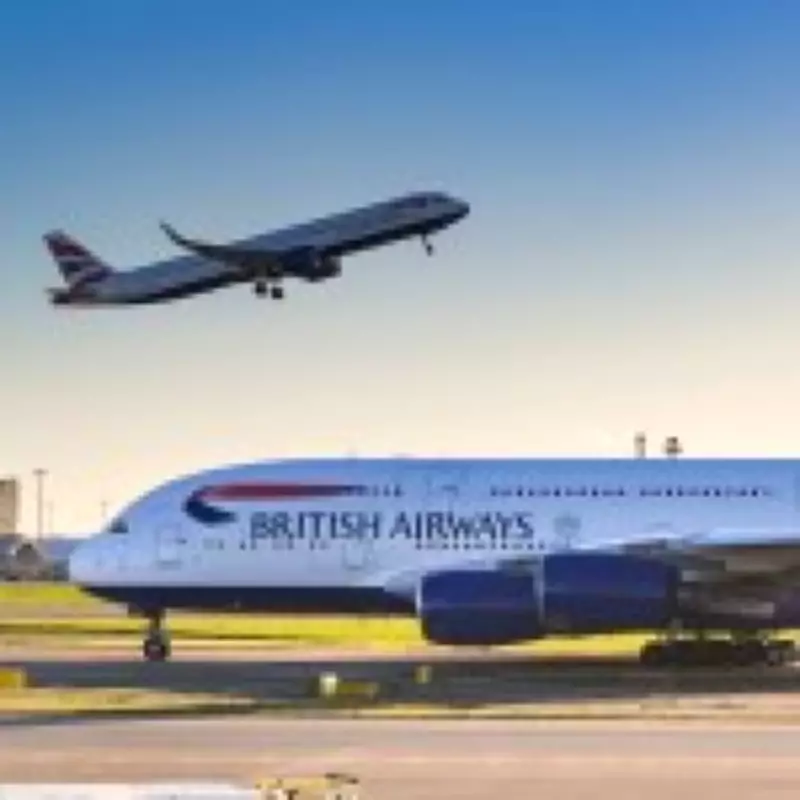
The parking controversy emerges as Heathrow faces increasing pressure from European rivals. Airport CEO Thomas Woldbye recently warned that Heathrow could lose its position as Europe's busiest airport this year due to capacity constraints. "We remain Europe's largest airport, but latest figures show we may lose that position in 2026," Woldbye stated. "We cannot keep driving growth for the UK economy without more capacity."
Statistical comparisons reveal the urgency. In 2025, Heathrow handled 84.5 million passengers, a mere 0.7% increase from the previous year. Meanwhile, Istanbul Airport recorded 84.4 million passengers with a robust 5.5% growth rate, positioning it to potentially overtake Heathrow. Other European hubs like Paris Charles de Gaulle (72.0 million passengers) and Amsterdam Schiphol (68.8 million) continue expanding their market share.
Broker Context and Passenger Impact
The parking cost debate occurs against a backdrop of already expensive airport parking across the UK. Recent RAC research revealed that eleven of twenty UK airports increased their "kiss-and-fly" drop-off zone prices last year. Heathrow currently charges £6 for brief drop-off parking, while Gatwick demands £7, making them among Britain's most expensive airport parking options.
Heathrow's expansion promises substantial benefits beyond parking infrastructure. The third runway would enable at least 30 new daily routes, serve up to 150 million passengers annually, and add approximately 276,000 additional flights per year, increasing total operations from 480,000 to 756,000. Airport officials argue these improvements will create "a hub fit for the future, giving passengers more choice, lower air fares and state of the art facilities."
As the planning process continues toward a 2029 permission deadline, the balance between infrastructure investment, passenger costs, and competitive positioning remains at the forefront of London's aviation future. The decisions made this year regarding Heathrow's expansion will significantly influence whether Britain maintains its premier European aviation status or cedes ground to rapidly growing international competitors.