Starmer's Government Faces Crisis Over Mandelson Vetting Scandal
The Labour government led by Prime Minister Keir Starmer is confronting a severe political crisis following revelations about the security vetting of Peter Mandelson. The scandal has ignited fierce debates over leadership, integrity, and the relationship between Downing Street and the civil service.
Pressure from No 10 and Civil Service Fallout
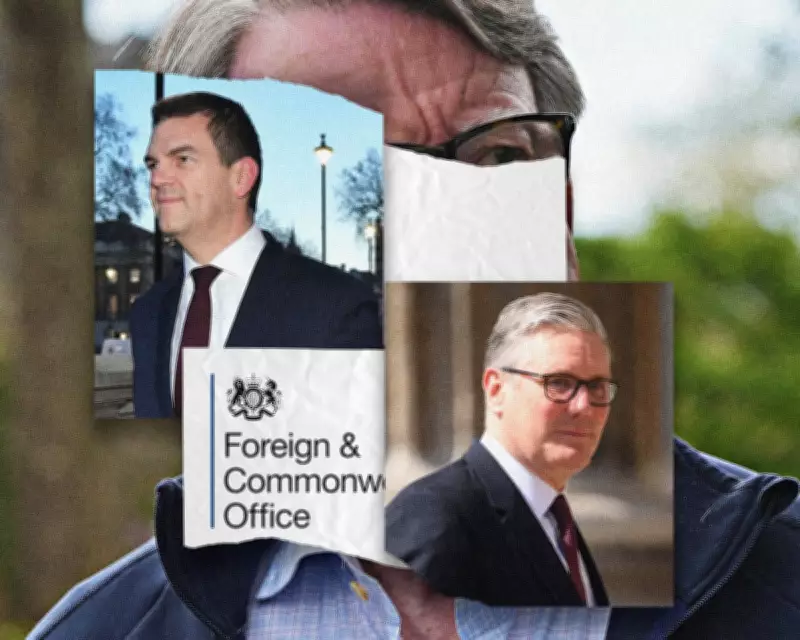
Civil servant Olly Robbins testified that he faced pressure from Number 10 to expedite Mandelson's vetting process, aiming to complete it before Donald Trump's inauguration. Prime Minister Starmer has denied any knowledge of these concerns, but his claims have been met with widespread skepticism in Parliament. The fallout has severely damaged trust between ministers and officials, with Robbins' sadding further destabilizing the Foreign Office during a period of global uncertainty.
This incident underscores a broader pattern of tension, as Starmer has previously criticized civil servants and dismissed key figures, eroding confidence in government operations. The scandal highlights risks of back-covering and risk aversion within the civil service, which could hinder effective governance.

Political Repercussions and Leadership Doubts
The appointment of Mandelson, who has links to Jeffrey Epstein, has been condemned as a moral and security failure. Despite initial support from figures like Kemi Badenoch and Nigel Farage, the decision has backfired, exposing Starmer's flawed strategy of appeasing Trump. Revelations that George Osborne was a close contender for the Washington post have further alienated Labour supporters, revealing a lack of political direction.
Ed Davey, leader of the Liberal Democrats, argues that the scandal fuels populism and distracts from critical issues like the NHS and cost of living. Diane Abbott notes that while the government may survive due to a lack of leadership alternatives, the May elections could shift dynamics. John McTernan predicts voter backlash and potential leadership challenges from within the Labour Party later this year.
Broader Implications for Democracy and Governance
The scandal raises serious questions about unwritten rules in government and the arbitrary dismissal of senior civil servants. Abbott suggests that explicit protections are needed to safeguard democratic processes. Meanwhile, Robbins' testimony indicates he will contest his sacking, supported by union representatives, adding legal dimensions to the crisis.
Ultimately, as McTernan emphasizes, voters will judge the government's actions, with potential humiliation in upcoming elections. The panel's responses collectively paint a picture of a government in turmoil, struggling with credibility and facing an uncertain future as it navigates this self-inflicted crisis.