Europe's Democratic Crisis: Leaders Accused of Normalising Extremism
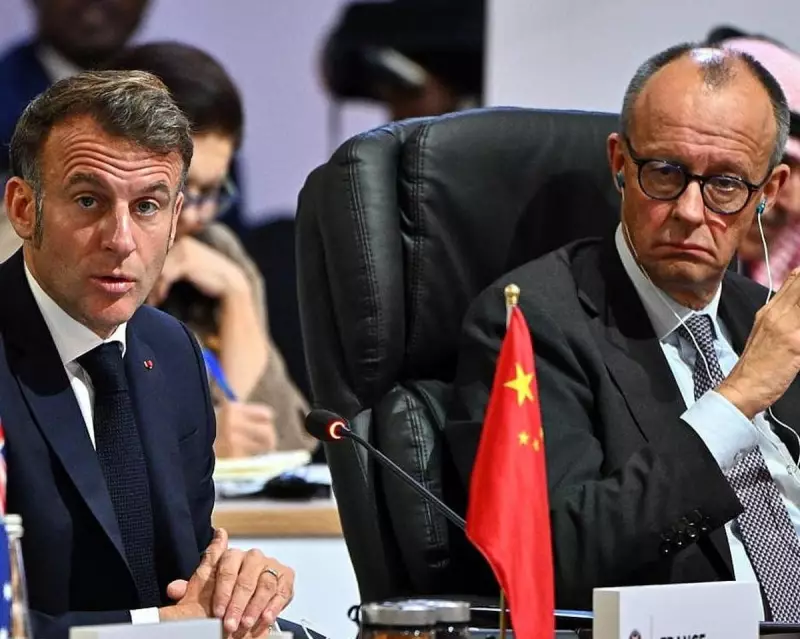
European political elites including French President Emmanuel Macron and German Chancellor Friedrich Merz face mounting criticism for contributing to the continent's democratic backsliding while publicly championing liberal values. Despite their strong rhetoric about defending democracy against external threats, both leaders stand accused of legitimising far-right narratives and undermining the very principles they claim to protect.
The Democracy Paradox: Strong Words, Weak Actions
At the recent G20 summit in Johannesburg on 22 November 2025, European leaders presented a united front against autocratic states. President Macron promised a democratic "resurgence," while Chancellor Merz warned of an "axis" targeting liberal democracy. European Commission President Ursula von der Leyen announced a new "democracy shield" and Centre for Democratic Resilience to combat foreign interference.
However, Brussels-based commentator Shada Islam argues that this focus on external threats ignores the more pressing problem of democratic erosion within Europe's so-called mature democracies. The real crisis lies in the steady corrosion of the rule of law, degradation of political discourse, and normalisation of racism and xenophobia across the EU.
Mainstreaming Extremism: How Centrist Politics Fuels Far-Right Agenda
Chancellor Merz recently sparked controversy by suggesting German women felt threatened by the country's changing "cityscape," invoking colonial-era stereotypes about Black and brown men as violent aggressors. Though he later acknowledged migrants' economic contributions, the damage was done - Merz had shifted Germany's Overton window on acceptable political discourse.
In France, President Macron's legacy includes legitimising far-right narratives on national identity, Islam and migration. By echoing Marine Le Pen's rhetoric, Macron has normalised what was once unsayable for centrists. The far-right National Rally now stands as a respectable government-in-waiting precisely because the liberal centre helped embed its ideas in mainstream politics.
EU Institutions Complicit in Democratic Backsliding
The European Commission faces criticism for incorporating deportation as a legitimate policy tool in the EU's new migration pact. Under von der Leyen's leadership, the Commission continues signing migration-deterrence deals with regimes accused of abuse and torture, including Tunisia and Egypt.
The situation has been exacerbated by the EU's response to Israel's actions in Gaza, which has revealed the bloc's violation of its own norms and international law obligations. In Germany, UN experts have condemned police for criminalising Palestinian solidarity activism, while Belgian authorities faced criticism for using teargas and water cannon against peaceful protesters outside the European parliament.
Across Europe, conservative parties are increasingly comfortable forming majorities with far-right groups, particularly on environmental policy. The European People's party and other mainstream political forces are adopting far-right talking points on migration and Muslims, supposedly to contain hardliners but ultimately amplifying extremism.
Glimmers of Hope: Alternative Approaches Emerging
Despite the troubling trends, some European leaders are demonstrating alternative approaches. Spain's Pedro Sánchez has shown moral clarity on Gaza and implemented migration policies rooted in dignity and solidarity. In the Netherlands, Rob Jetten of the centre-left D66 ran on a platform of hope rather than hate.
The UK Green party's Zack Polanski and Ireland's new president Catherine Connolly are helping revive progressive political discourse in their countries. Across the Atlantic, New York's new mayor Zohran Mamdani demonstrates that democracy's vitality depends on moral courage and inclusive coalitions.
Strengthening democratic resilience requires more than fighting external threats - it demands building inclusive democracy at home, dismantling systemic racism, ensuring equality, and creating genuine belonging for all European citizens. As Islam concludes, the solution lies not in new "democracy shields" but in addressing the internal corrosion threatening Europe's democratic foundations.