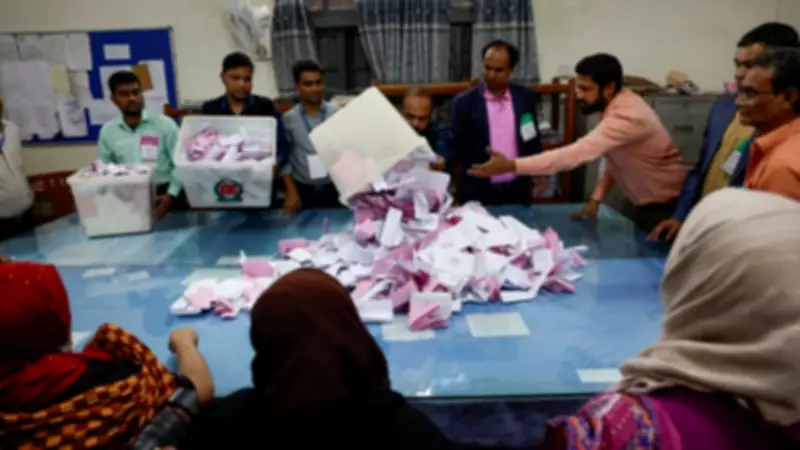
Bangladesh's Era-Defining Election: Gen Z Topples Autocrat in Historic Vote
In a monumental shift for South Asian politics, Bangladesh is witnessing what many describe as an era-defining election, where the power of Generation Z has toppled a long-standing autocrat. After years of authoritarian rule under Sheikh Hasina, the country's longest-serving prime minister, this election represents a critical opportunity to restore democratic principles through a genuine electoral contest.
The Fall of an Autocrat
The political landscape transformed dramatically following a mass student uprising in 2024, which led to the ouster of Sheikh Hasina. Once celebrated as an icon of democracy and economic progress, Hasina now resides in self-imposed exile in India, convicted and sentenced to death for ordering a brutal crackdown against protesters. The United Nations estimates that approximately 1,400 people lost their lives in less than two months during the unrest.
Her political party, the once-dominant Awami League, has been banned from participating in this election. This exclusion raises questions about the caretaker government's claims of conducting a completely free and fair electoral process. Nevertheless, for the first time in many years, the outcome of this election remains unpredictable, injecting a sense of uncertainty and hope into the political atmosphere.

The Youth Vote and Global Implications
This election serves as a significant test case for assessing the strength and impact of youth votes and student movements worldwide, with parallels drawn to similar movements in countries like Nepal. In both nations, widespread frustration over unemployment and systemic corruption has fueled uprisings that unseated entrenched leaderships.
Approximately 45% of Bangladesh's 128 million registered voters are between the ages of 18 and 33, according to the Election Commission. This substantial demographic could wield considerable influence, yet internal divisions within the youth vote may limit its political impact. For instance, the student-led National Citizens Party (NCP) sparked controversy by allying with the much older Jamaat-e-Islami party, which advocates for governing under Islamic law and was previously banned under Hasina's regime.
The Old Guard and Political Dynamics
Despite the youth-driven upheaval, established political dynasties continue to loom large in this election. The Bangladesh Nationalist Party emerges as the frontrunner, led by Tarique Rahman, son of former Prime Minister Khaleda Zia. This highlights the enduring presence of well-established political families in the country's governance.
Early indications suggest low voter turnout in traditional Awami League strongholds, reflecting the challenges faced by supporters who are unable to back their banned party. The political landscape remains fluid, with many voters, particularly young people, expressing rising anti-India sentiment. They accuse Delhi of being overbearing and supporting Hasina's regime at the expense of democratic values, marking a shift in regional relations.
A Nation's Hope and Optimism
Amidst the political complexities, a palpable sense of hope and optimism permeates Bangladesh. Citizens are speaking freely about their aspirations, a level of openness rarely seen in previous elections. Many believe this vote could redefine the nation's trajectory after years of autocracy, offering a chance to experience a genuine electoral contest that feels unmanipulated.
As the world watches, Bangladesh stands at a crossroads, with its youth leading the charge toward a more democratic future. The outcome of this historic election will not only shape the country's domestic policies but also influence global perceptions of youth-led political movements in the fight against authoritarianism.