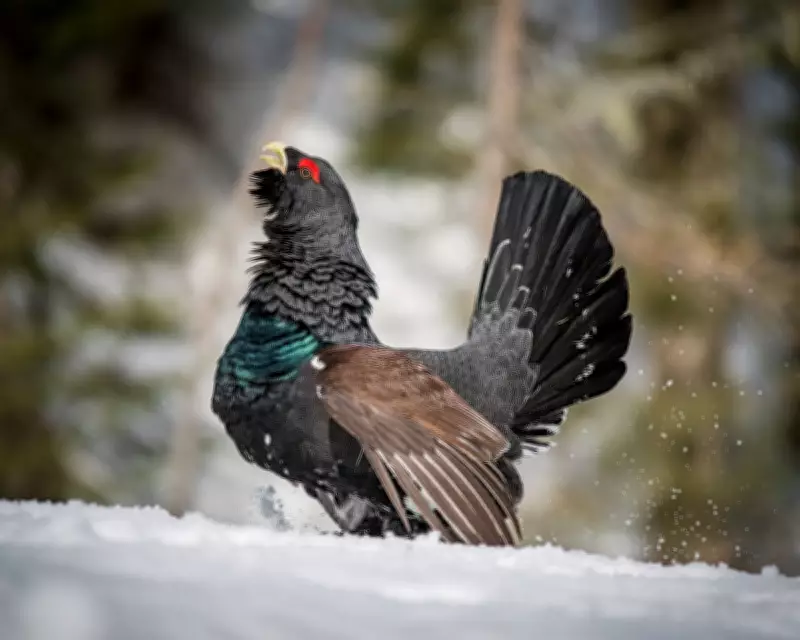
Scotland's Rare Capercaillie Bird Exhibits Small Signs of Recovery
Conservationists in Scotland have reported small but encouraging signs of recovery for the critically endangered capercaillie bird, a species that has faced severe population declines in recent decades. The capercaillie, a large woodland grouse native to Scotland's pine forests, has been the focus of intensive conservation efforts aimed at reversing its precarious status.
Increased Sightings and Habitat Improvements
Recent monitoring data indicates a notable increase in sightings of capercaillie in key habitats across Scotland, particularly in the Cairngorms National Park and other forested areas. This uptick is attributed to enhanced habitat management practices, including:
- Restoration of native pine woodlands to provide better shelter and food sources.
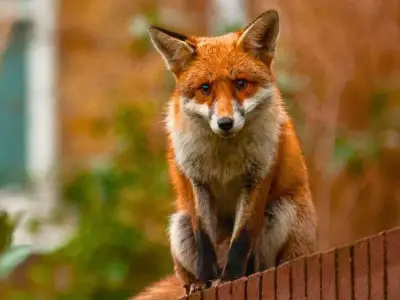
- Control of predators such as foxes and crows to reduce threats to nests and chicks.
- Implementation of measures to minimize human disturbance during breeding seasons.
These efforts have created more favorable conditions for the birds, leading to improved breeding success and survival rates among the remaining populations.

Challenges and Ongoing Threats
Despite these positive developments, conservationists caution that the capercaillie remains highly vulnerable to various threats. Key challenges include:
- Climate change, which affects food availability and habitat suitability.
- Habitat fragmentation due to land use changes and infrastructure development.
- Genetic bottlenecks from small population sizes, reducing resilience to diseases.
Experts emphasize that sustained and coordinated action is essential to prevent any reversal of the recent gains. Public awareness campaigns and community involvement are also being ramped up to support long-term conservation goals.
Future Outlook and Conservation Strategies
Looking ahead, conservation organizations plan to expand their initiatives, focusing on:
- Scaling up habitat restoration projects across Scotland's forests.
- Enhancing monitoring and research to track population trends more accurately.
- Collaborating with landowners and policymakers to secure protective measures.
The small signs of recovery offer a glimmer of hope, but the journey to secure a stable future for Scotland's capercaillie is far from over. Continued dedication and resources will be crucial in ensuring this iconic bird thrives once again in its natural environment.