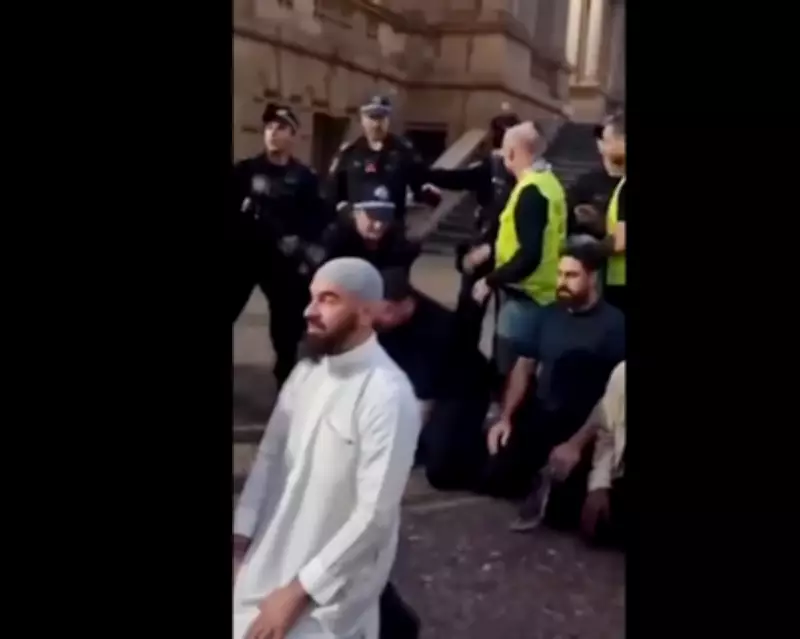
NSW Police Organize Safe Prayer Space During Sydney Demonstration
In a notable move to uphold both public order and religious freedom, New South Wales police officers recently facilitated a designated area for Muslim prayer at a protest in Sydney. This action occurred during a demonstration where participants sought to express their views while adhering to their faith practices. The police intervention aimed to prevent potential disruptions and ensure the protest remained peaceful, reflecting a broader commitment to accommodating diverse cultural and religious needs in public spaces.
Balancing Security and Religious Observance
The decision by NSW police to support Muslim prayer at the Sydney protest underscores the delicate balance authorities must strike between maintaining security and respecting individual rights. By providing a safe and organized space for prayer, officers helped mitigate risks of conflict or disorder that could arise from overlapping activities. This approach not only fostered a calm environment but also demonstrated sensitivity to the community's religious obligations, which are integral to many participants' identities.
Eyewitnesses reported that police coordinated with protest organizers to allocate a specific zone for prayer, allowing Muslims to perform their rituals without interference. This proactive measure likely contributed to the overall tranquility of the event, as it addressed potential friction points in advance. Such initiatives are increasingly important in multicultural cities like Sydney, where public assemblies often involve diverse groups with varying customs.
Implications for Future Protests and Community Relations
The facilitation of Muslim prayer by NSW police sets a precedent for how law enforcement can handle similar situations in the future. It highlights the role of police not just as enforcers of law but as mediators who can enhance community trust through inclusive practices. By acknowledging and accommodating religious practices, authorities can reduce tensions and promote a more harmonious protest culture.
This incident also raises questions about the broader implications for public policy and protest management. As societies become more pluralistic, police forces may need to develop standardized protocols for religious accommodations during large gatherings. Training officers in cultural competency and conflict resolution could further improve outcomes, ensuring that all participants feel respected and heard.
In summary, the NSW police's action in Sydney serves as a case study in effective crowd management that prioritizes both safety and religious freedom. It reinforces the idea that peaceful assembly can coexist with diverse faith expressions when authorities take thoughtful, preemptive steps. Moving forward, such efforts could inspire similar approaches in other jurisdictions, fostering greater inclusivity and reducing the likelihood of unrest during public demonstrations.