The UK's worst drought in decades has laid bare deep societal inequalities and chronic failures in the water industry, as last month was confirmed as the driest on record. With seven areas in south and east England, plus all of Wales, now officially in drought, the crisis is exposing vulnerabilities that experts say highlight a lack of preparedness for climate change.
Record Dry Conditions and Immediate Impacts
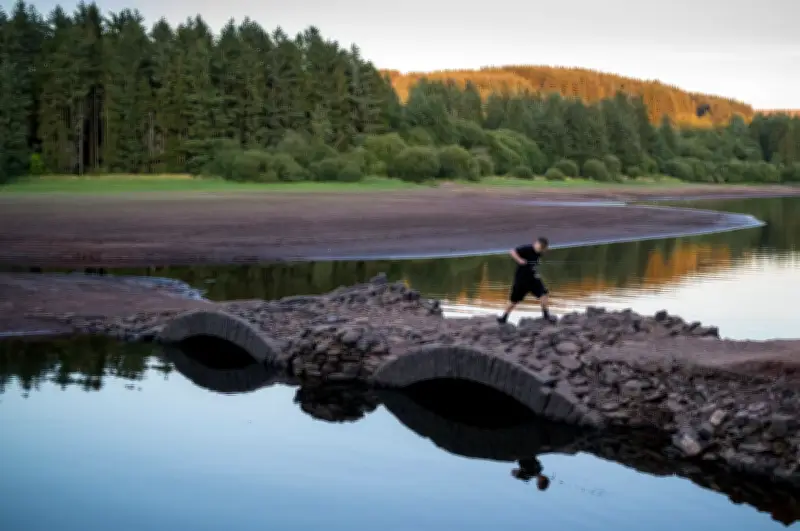
July 2024 saw unprecedented dry weather, with the Met Office confirming it as the driest month since records began. The drought has led to visible consequences, including a stone bridge dating back to 1800 being exposed in the Taf Fawr valley in Merthyr Tydfil, Wales, due to plummeting water levels. Wildfires have devastated areas such as the Cairngorms and Suffolk, while heat-related deaths are rising.
Unlike heatwaves, which are easily declared when temperatures exceed a threshold for three consecutive days, droughts are harder to quantify. However, their damage is equally severe, affecting water supply, agriculture, and daily life. The RHS is even considering relocating its hydrangea collection from Surrey to Greater Manchester and North Yorkshire, citing the changing climate.

Inequalities Exposed by the Drought
The drought has highlighted stark disparities in water usage and protection. Golf courses and schools with large sports grounds enjoy exemptions to water their lawns, while councils and households face bans. This has sparked public anger, as such privileges become untenable during a drought.
According to Andy Burnham, the Mayor of Greater Manchester, plans for greater public control of water companies are yet to be outlined. Nationalisation of Thames Water remains a possibility, but experts argue that the industry's role in exacerbating scarcity and injustice must be addressed. The privatisation of water in 1989, under a Conservative government, and weak regulatory oversight, particularly of Thames Water, have allowed billions in profits to be extracted while infrastructure crumbled and debts mounted.
Infrastructure and Future Plans
After three decades without major additions, the water industry has pledged to build 10 new reservoirs, with two in the dry east of England prioritised. However, questions remain over the viability of building thousands of new homes in drought-prone areas, and farmers face difficulties in constructing reservoirs for crop irrigation. Water recycling and conservation efforts lag behind other European nations, with household water use in England and Wales among the highest in Europe.
As the climate in southern England increasingly resembles that of the Mediterranean, those with means may move northward, following the RHS's hydrangeas. Global heating will reinforce old patterns of inequality and create new ones, demanding that governments prepare for both. This summer's drought underscores the urgency of such preparations.