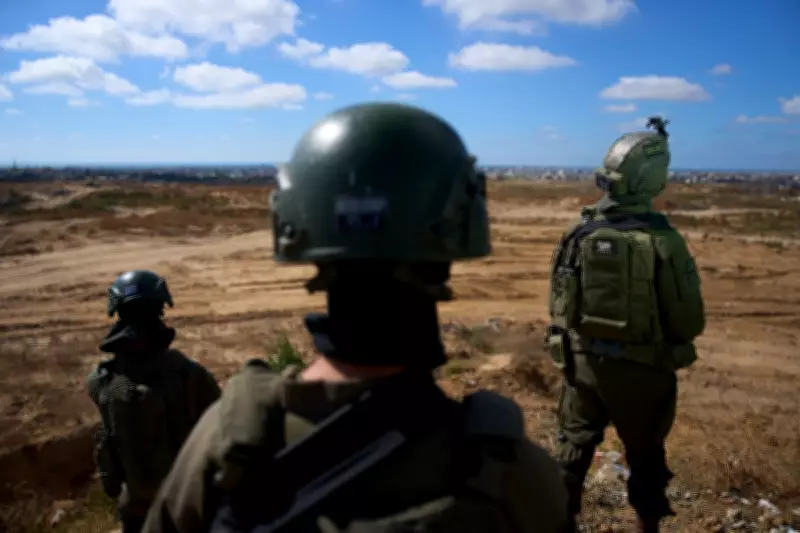
Israeli Prime Minister Benjamin Netanyahu has ordered the Israeli army to seize control of 70% of the Gaza Strip, a move that directly violates the existing ceasefire agreement. The order, issued on May 28, 2026, marks a significant escalation in the ongoing conflict and has drawn widespread international condemnation.
Details of the Order
According to sources within the Israeli government, Netanyahu instructed military commanders to expand operations across the majority of the enclave, effectively breaking the terms of the ceasefire that had been in place since earlier this year. The seizure is expected to involve ground troops, armored vehicles, and air support, with the stated aim of dismantling militant infrastructure.
Ceasefire Violation
The ceasefire agreement, brokered by international mediators, had brought a temporary halt to hostilities. Under its terms, both sides were to refrain from offensive actions. Netanyahu's order represents a unilateral breach, raising fears of a renewed full-scale war. Palestinian officials have condemned the move as a blatant act of aggression.

International Reaction
The United Nations, European Union, and several Arab nations have called for an immediate reversal of the order. UN Secretary-General António Guterres urged restraint, warning that the seizure could lead to a humanitarian catastrophe. The US State Department expressed deep concern, while stopping short of direct criticism of its ally.
Strategic Implications
Analysts suggest that Netanyahu's decision may be driven by domestic political pressures, as his coalition government faces internal dissent. However, the move risks further destabilizing the region and undermining any prospects for a negotiated peace. The seizure of such a large portion of Gaza would effectively place most of the territory under direct Israeli military control, a scenario reminiscent of past occupations.
Humanitarian Concerns
Human rights organizations have warned that the operation could severely impact Gaza's civilian population, already suffering from blockades and limited access to essential services. The International Committee of the Red Cross called for all parties to uphold international humanitarian law and protect non-combatants.
As the situation develops, the world watches closely, with many fearing that this violation could trigger a broader conflict with far-reaching consequences.