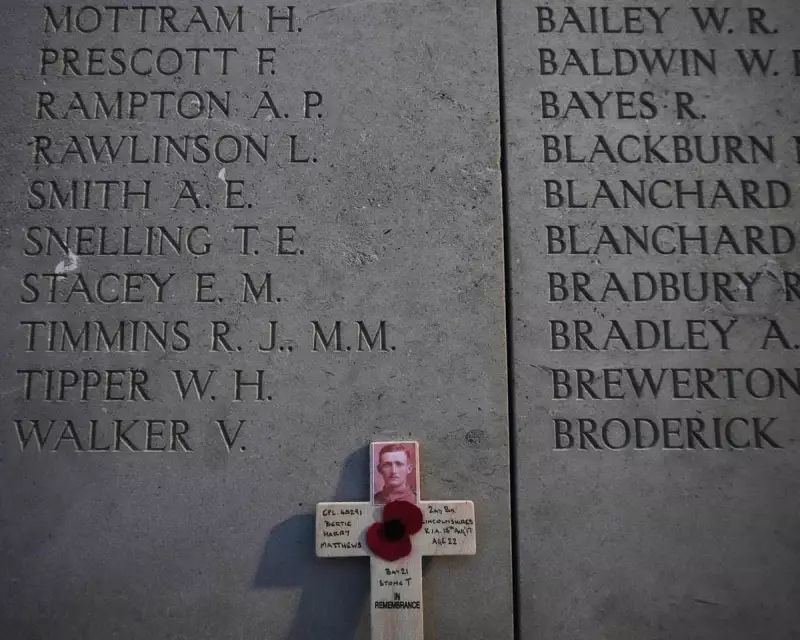
Europe solemnly commemorated Armistice Day 2025 against the backdrop of escalating conflict in Ukraine, with world leaders gathering for remembrance ceremonies while military tensions continued to intensify along the front lines.
Remembrance Ceremonies Across Europe
Political leaders and citizens across the continent paused to honour the fallen on the 11th hour of the 11th day of the 11th month, with traditional two-minute silences observed from London to Paris. The commemorations carried particular significance given the ongoing war in Ukraine, now entering its fourth year of brutal conflict.
French President Emmanuel Macron led ceremonies in Paris, where security was notably heightened following recent geopolitical developments. In the United Kingdom, King Charles III and Prime Minister attended the annual service at the Cenotaph in Whitehall, with veterans' organisations reporting record attendance at events nationwide.

Escalating Conflict in Ukraine
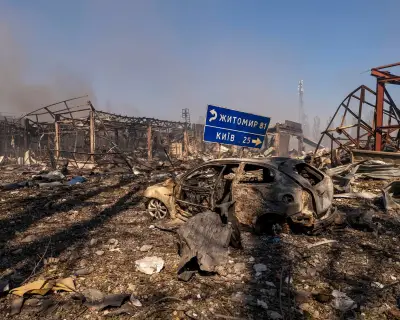
Meanwhile, military officials reported intensified fighting in eastern Ukraine, particularly around strategic positions in the Donbas region. Russian forces have launched several new offensive operations in recent days, according to Ukrainian military sources.
The Ukrainian General Staff confirmed that heavy artillery shelling continued throughout the commemorative period, with several towns and villages coming under sustained attack. Civilian infrastructure, including power stations and residential buildings, suffered significant damage in multiple regions.
International Response and Security Concerns
NATO leaders used the Armistice Day occasion to reaffirm their commitment to Ukrainian sovereignty, with several member states announcing new military aid packages. The alliance's Secretary General emphasised that support for Ukraine remains unwavering despite the challenging battlefield situation.
Security analysts noted that the timing of Russia's renewed offensive during the remembrance period appeared calculated to test Western resolve. European intelligence agencies have warned of increased hybrid warfare activities, including cyber attacks and disinformation campaigns targeting NATO countries.
The European Union confirmed it was preparing its 14th package of sanctions against Moscow, focusing on closing loopholes in existing measures and targeting additional Russian officials and companies supporting the war effort.
Humanitarian Crisis Deepens
United Nations agencies reported deteriorating humanitarian conditions in conflict-affected areas of Ukraine, with winter approaching and energy infrastructure severely compromised. Aid organisations expressed particular concern about elderly residents and children in frontline communities.
Refugee flows into neighbouring countries have increased by approximately 15% in recent weeks, according to border agency statistics. Poland and Romania have requested additional EU support to manage the growing numbers of displaced persons.
The International Committee of the Red Cross appealed for renewed respect for international humanitarian law, noting that civilian casualties have reached alarming levels in recent months despite repeated calls for protection of non-combatants.
Global Economic Impact
Financial markets reacted nervously to the latest escalation, with energy prices experiencing volatility amid concerns about winter supply security. European natural gas futures rose by 8% during morning trading, reflecting anxiety about potential disruptions to energy flows.
The conflict's impact on global food security remains severe, with Ukrainian agricultural exports continuing to face significant challenges despite the Black Sea grain initiative. Developing nations in Africa and the Middle East face particular pressure from rising food prices.
European Commission economists estimate the war has cost the EU economy approximately €600 billion in additional energy costs, refugee support, and military assistance since February 2022.

Looking Ahead
Diplomatic efforts to resolve the conflict continue behind the scenes, though officials acknowledge that prospects for immediate peace talks appear limited. The United States and China maintain backchannel communications with both Moscow and Kyiv, but substantive breakthroughs remain elusive.
Military analysts predict that the coming winter months will prove decisive in determining the conflict's trajectory, with both sides preparing for potentially protracted fighting in harsh conditions. The outcome could significantly influence Europe's security architecture for decades to come.
As Europe remembered the sacrifices of past generations, the ongoing violence in Ukraine served as a stark reminder that peace on the continent cannot be taken for granted. The juxtaposition of solemn remembrance and active conflict underscored the continued relevance of Armistice Day's message over a century after the guns fell silent on the Western Front.