Beavers Return to Somerset Wetlands in Major Nature Restoration Project
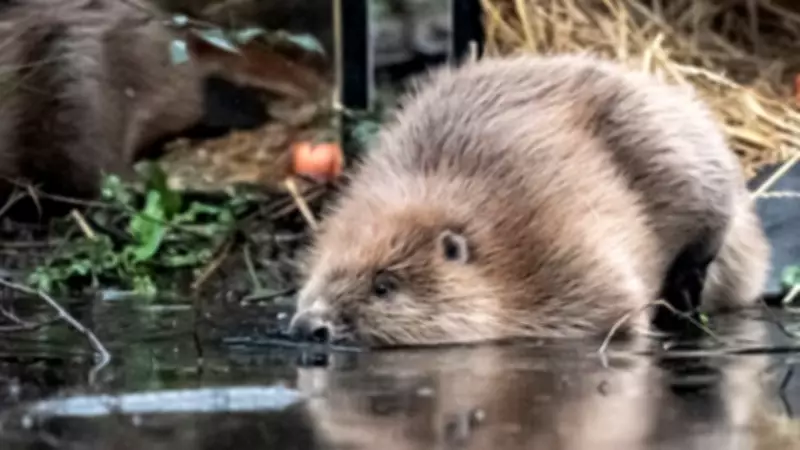
In a significant development for British wildlife conservation, half a dozen beavers have been legally released at two separate sites within Somerset's picturesque countryside. This landmark event marks a crucial step forward in efforts to restore natural river systems and wetland habitats across the region.
Historic Releases on the Holnicote Estate
The releases occurred on Tuesday across the National Trust's expansive Holnicote Estate on Exmoor, featuring two distinct family groups. One group consisted of a mother beaver accompanied by her three offspring, while the other involved a pair of Eurasian beavers. This represents the second occasion the conservation charity has received official licensing from Natural England to reintroduce beavers into wild English landscapes, following their initial release on the Purbeck Estate in Dorset during March of the previous year.
Notably, the species had previously been introduced into enclosed sections of the Holnicote Estate back in 2020 as part of a carefully monitored trial reintroduction programme. The latest release signifies a transition from controlled environments to full wild establishment.
Beavers as 'Extraordinary Partners' in Conservation
Ben Eardley, project manager at the National Trust, described the release as "incredibly exciting" and emphasised it represents "the latest step in our ambitions to restore a huge swathe of Somerset countryside and moorland to help bring back nature." He characterised beavers as "extraordinary partners" in the charity's conservation work, highlighting their vital ecological functions.
These semiaquatic mammals perform several critical environmental roles:
- Slowing water flow through natural dam construction
- Creating and maintaining complex wetland habitats
- Reducing soil erosion along riverbanks
- Improving overall water quality through natural filtration
Mr Eardley further explained: "Across the estate they will have the opportunity to develop their own territory, enabling them to create wetlands, ponds, build dams, and enrich the landscape in ways only beavers can."
The Long Road to Reintroduction
This development follows nearly twelve months after the government formally approved the wild release of beavers, concluding years of deliberation about their reintroduction. Beavers vanished from British landscapes over four centuries ago, hunted to extinction for their valuable pelts, meat, and scent glands.
In recent years, these industrious creatures have gradually reappeared in England's river systems through various means:
- Escapes from managed enclosures
- Unauthorised releases by conservation advocates
- Official reintroduction programmes
The year 2022 marked a turning point when beavers received formal legal protection in England. While conservationists have long championed their return to restore natural ecosystems, some concerns have been raised regarding potential flooding risks and possible impacts on agricultural crops including maize and cricket bat willow.
Government Support for Nature Recovery
Nature minister Mary Creagh commented on the significance of the Somerset releases, stating: "It was a privilege to witness beavers returning to Somerset. These extraordinary creatures are brilliant for biodiversity, reduce flood risk and improve water quality in our rivers."
She added: "The return of beavers is a vital part of this government's mission to protect and restore nature, and we're working closely with local communities to maximise their benefits."
This Somerset initiative coincides with similar conservation efforts elsewhere in the country. Just one day prior, Cornwall Wildlife Trust released two pairs of beavers into the Par and Fowey river catchments, indicating growing momentum for beaver reintroduction programmes across multiple English regions.