Beaver 'Blind Dates' in Cornwall Aim to Repopulate Rivers Naturally
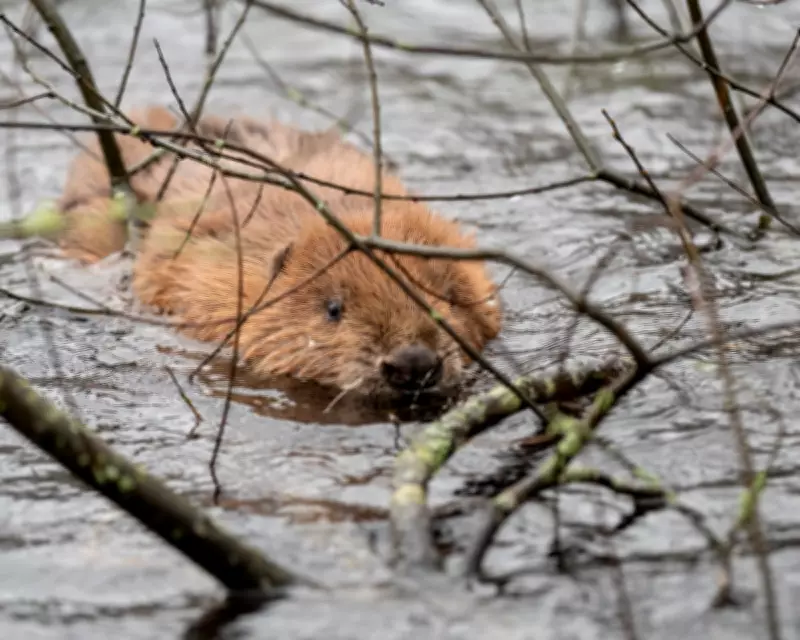
In a pioneering move for wildlife conservation, Cornwall is launching a unique initiative that allows beavers the freedom to repopulate its rivers through what is being playfully termed a 'blind date' approach. This innovative strategy aims to harness the natural instincts of these ecosystem engineers to restore river habitats and enhance biodiversity across the region.
How the 'Blind Date' Initiative Works
The project involves carefully selecting and releasing beavers into designated river areas in Cornwall, where they are given the autonomy to find mates and establish colonies. Unlike more controlled reintroduction programmes, this method relies on the animals' own behaviours to drive repopulation, mimicking natural processes. Conservationists monitor the beavers to ensure their well-being and the positive impact on the environment, but with minimal human intervention.
By allowing beavers to choose their partners and habitats freely, the initiative seeks to create resilient populations that can thrive in Cornwall's waterways. This approach is based on scientific evidence that beavers, as keystone species, play a crucial role in creating wetlands, improving water quality, and supporting other wildlife.
Benefits for Cornwall's Rivers and Biodiversity
The repopulation of beavers in Cornwall is expected to bring multiple environmental benefits. Beavers are known for their ability to build dams and lodges, which can help to:
- Slow down river flow, reducing flood risks and erosion.
- Create diverse wetland habitats that support a wide range of species, from fish to birds.
- Improve water quality by filtering pollutants and increasing oxygenation.
- Enhance overall ecosystem resilience in the face of climate change.
This initiative aligns with broader conservation goals in the UK, where beaver reintroductions have been gaining traction as a natural solution for river restoration. In Cornwall, the project could serve as a model for other regions looking to boost biodiversity through similar wildlife-led strategies.
Challenges and Future Prospects
While the 'blind date' concept offers a novel way to repopulate rivers, it is not without challenges. Conservationists must balance the freedom given to beavers with the need to manage potential conflicts, such as impacts on agricultural land or local infrastructure. Ongoing monitoring and community engagement will be key to ensuring the project's success.
Looking ahead, if successful, this initiative could lead to a significant increase in beaver populations across Cornwall, contributing to healthier river ecosystems and a richer natural heritage. It represents a shift towards more holistic conservation methods that trust in nature's own processes to drive recovery.