Homelessness Crisis Deepens in New York as Winter Bites Hard
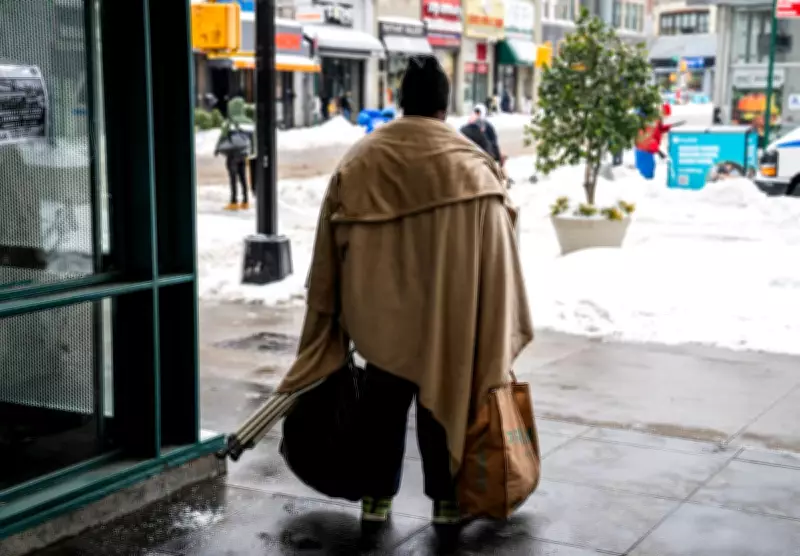
New York City is grappling with a severe and escalating homelessness crisis as harsh winter conditions sweep across the metropolis. Freezing temperatures, heavy snowfall, and biting winds have compounded the challenges faced by thousands of individuals living on the streets, pushing the city's shelter systems and outreach programmes to their limits.
Shelters Under Strain as Cold Weather Persists
The recent spate of winter storms has exposed critical vulnerabilities in New York's response to homelessness. Shelters, already operating at or near capacity, are struggling to accommodate a surge in demand from those seeking refuge from the life-threatening cold. Outreach teams are working tirelessly to connect vulnerable individuals with essential services, but resources are stretched thin amid the relentless weather.
Advocacy groups report that the number of unsheltered homeless people has risen noticeably this winter, with many forced to endure sub-zero conditions due to a lack of available beds. This situation underscores a broader, systemic issue that extends beyond seasonal fluctuations, pointing to long-term failures in housing policy and social support networks.

Urban Poverty and Housing Shortages Fuel the Problem
Experts attribute the worsening crisis to a combination of factors, including skyrocketing rental costs, stagnant wages, and a chronic shortage of affordable housing in New York City. The winter months merely amplify these underlying problems, turning a persistent issue into an urgent humanitarian emergency.
Local authorities have implemented emergency measures, such as opening additional warming centres and extending shelter hours, but critics argue that these are stopgap solutions. There is growing pressure on city officials to develop more sustainable strategies that address the root causes of homelessness, rather than merely reacting to its most visible symptoms during extreme weather events.
Community Responses and Future Outlook
In response to the crisis, community organisations and volunteers have mobilised to provide hot meals, warm clothing, and medical assistance to those in need. However, these efforts, while commendable, are often insufficient to meet the scale of the problem. The ongoing winter has highlighted the urgent need for coordinated action between government agencies, non-profits, and the private sector.
As forecasts predict continued cold spells, the situation remains precarious. The plight of New York's homeless population serves as a stark reminder of the human cost of urban inequality and the critical importance of robust social safety nets in one of the world's wealthiest cities.