Heathrow Sounds Alarm on European Dominance Amid Record Passenger Numbers
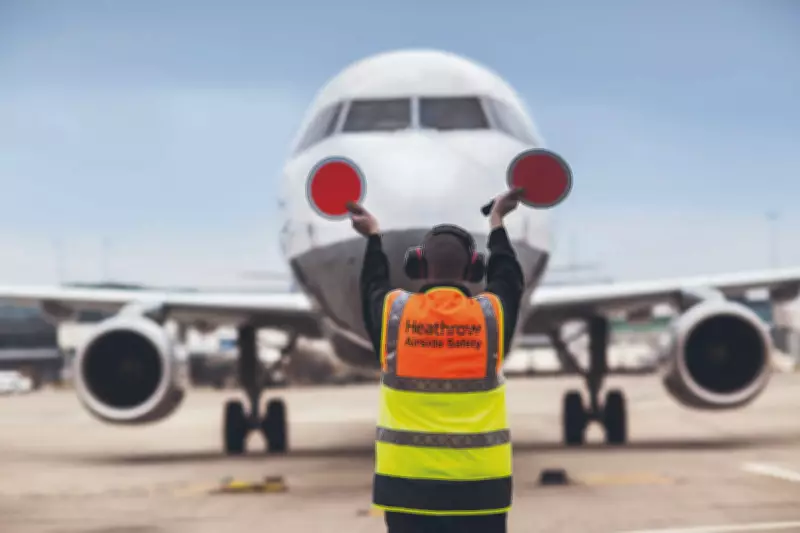
Heathrow Airport has issued a stark warning about its future competitiveness, despite celebrating unprecedented passenger traffic figures that have shattered previous records. The UK's primary international gateway revealed that it handled an impressive 6.5 million passengers during January 2026, representing a significant 2.2 per cent increase compared to the same period last year. This remarkable achievement establishes January as the busiest on record for the airport, with multiple peak days exceeding 250,000 travellers surpassing the previous January's record of 246,000 passengers.
Leadership Warns of Impending Capacity Crunch
Chief Executive Thomas Woldbye utilised the positive momentum from these record-breaking statistics to deliver a sobering message about the airport's long-term prospects. "We remain Europe's largest airport, but latest figures show we may lose that position in 2026 and we cannot keep driving growth for the UK economy without more capacity," Woldbye stated emphatically. He emphasised that the expansion project represents a critical component of national infrastructure development, describing the government's forthcoming decisions as "essential to enable the delivery of the UK's flagship growth project."
Expansion Project Enters Crucial Preparatory Phase
As of February 2026, the long-debated expansion initiative for Britain's largest airport has officially transitioned from its paused state into an active preparatory phase. This development follows the government's formal endorsement of the Northwest Runway scheme in late 2025, marking a significant milestone in the project's protracted history. The airport now faces a series of critical regulatory hurdles throughout the year that will determine the timeline and scope of the expansion plans.
Financial Pressures Compound Strategic Challenges
Beyond capacity concerns, Heathrow's leadership has highlighted growing financial pressures that threaten to undermine operational stability. At the end of January, the airport revealed that rising employment costs combined with the government's contentious business rates strategy were poised to consume a substantial portion of increasing revenue streams. The company reported a concerning 38 per cent decline in profits during the nine months leading to October, attributing this downturn primarily to higher-than-anticipated costs linked directly to government policy decisions.
The firm specifically identified "employment and business rates" as key factors placing its financial performance "under pressure," creating a challenging environment for strategic investment and long-term planning.
Political Landscape Shapes Expansion Debate
The expansion project continues to navigate a complex political landscape marked by both support and opposition. At the beginning of 2025, Chancellor Rachel Reeves publicly endorsed the Heathrow expansion as a cornerstone of the government's economic growth strategy, telling business leaders the development would "make Britain the world's best connected place to do business." However, this position has faced consistent opposition from London Mayor Sadiq Khan, who reiterated his stance last year by declaring he "remains opposed" to a third runway.
Mayor Khan elaborated on his position, explaining: "I remain opposed to a new runway at Heathrow airport because of the severe impact it will have on noise, air pollution and meeting our climate change targets." This tension between economic development priorities and environmental considerations continues to define the expansion debate, reflecting broader national conversations about sustainable growth.
The airport now finds itself at a critical juncture, balancing record operational performance against looming competitive threats and financial pressures, with its future European standing hanging in the balance as expansion discussions progress through their latest phase.