33 Scandalous Photos That Shocked the World and Changed History
When it comes to scandal, seeing is believing. Words can tell a story, but photographs possess the unique power to strip away illusions, illuminate hidden truths, and force society to confront uncomfortable realities. Occasionally, a single image can alter the trajectory of history itself. This collection examines thirty-three scandalous photographs that caused global uproar, exposed public figures, and documented moments where carefully curated images collided with stark reality.
The Power of Visual Evidence in Public Scandals
Consider the haunting photograph of Prince Andrew with Virginia Giuffre, a seventeen-year-old victim of Jeffrey Epstein's sex-trafficking ring, with Ghislaine Maxwell smiling in the background. For years, Andrew's allies insisted the image was doctored. However, documents within the Epstein files released by the U.S. Department of Justice include a note from Maxwell that appears to confirm its authenticity. This single photograph provided physical evidence connecting the former prince to a trafficking victim, creating a scandal from which his reputation never recovered.
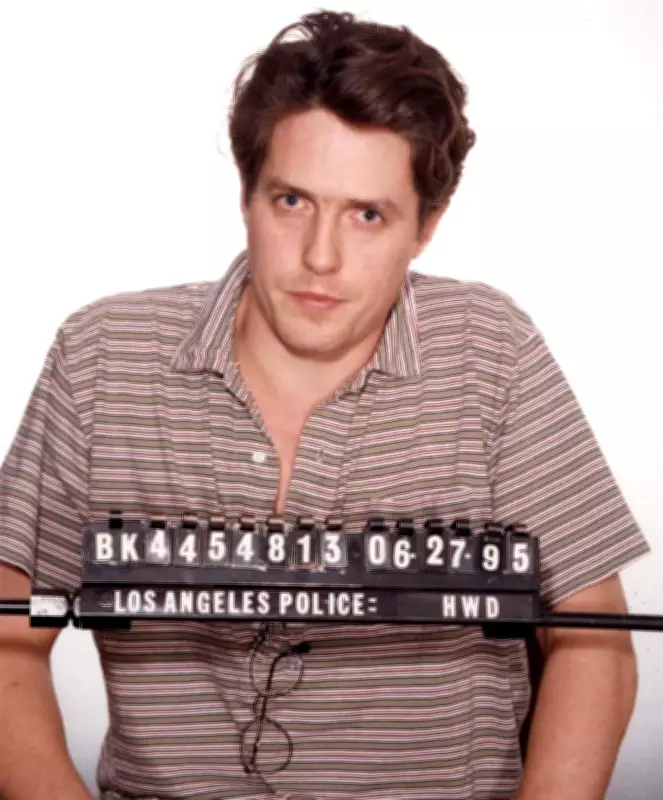
More often, the camera captures public figures in moments their publicists desperately wish had remained private. The collection includes then-Health Secretary Matt Hancock, caught on office CCTV kissing his aide during a pandemic while ignoring social distancing rules he himself had mandated. It features romantic lead Hugh Grant's sheepish police mugshot after being arrested with a sex worker in Los Angeles. It shows Michael Jackson dangling his infant son over a Berlin hotel balcony. These images universally expose the chasm between manufactured public persona and unvarnished truth.

Historical Scandals and Changing Social Mores
The story these pictures tell is partly one of evolving social standards. Some images that seemed shocking in more repressed eras now evoke sympathy. Paparazzi shots of George Michael cruising for sex in Los Angeles, which forced him out of the closet in 1998, are viewed today with understanding rather than condemnation. Conversely, photographs from what Hello! magazine called the "fairytale wedding" between fifty-two-year-old Rolling Stone Bill Wyman and eighteen-year-old Mandy Smith in 1989 now appear deeply disturbing, given their relationship began when she was just thirteen.
A constant theme across nearly a century is the use of female bodies to provoke scandal. Yet some images subvert this trope. Groundbreaking war photographer Lee Miller created something uniquely empowering when she was photographed in Hitler's abandoned bathtub, washing away the grime from documenting the Dachau concentration camp. Her filthy boots on the bathmat and bare shoulders presented a deliberate act of defiance, a symbolic reclaiming of space from a dictator.
The Era of Visual Proof Under Threat
What makes many of these images particularly poignant today is that the era they represent—one where humans offered each other visual proof of our shared reality—is now under serious threat. While hoaxes and fakes have always existed, the proliferation of highly convincing AI-generated images, spread instantly via social media, risks a profound erosion of trust. Malign actors already exploit this technology. Will it become standard practice for public figures caught in wrongdoing to dismiss photographic evidence as AI fabrications?
This collection may eventually be remembered as documenting a golden age for photography: a time when cameras were swift enough to capture fleeting moments of truth, and society retained the capacity to believe what it saw. From the Duchess of Argyll's nude Polaroid scandal in the 1930s to the AI-generated "Electrician" image that won a photography prize in 2023, these thirty-three photographs serve as powerful reminders of visual media's role in shaping public discourse, exposing hypocrisy, and occasionally, changing history.