Afrobeats' Global Dominance Fades as Industry Confronts Uncertain Future
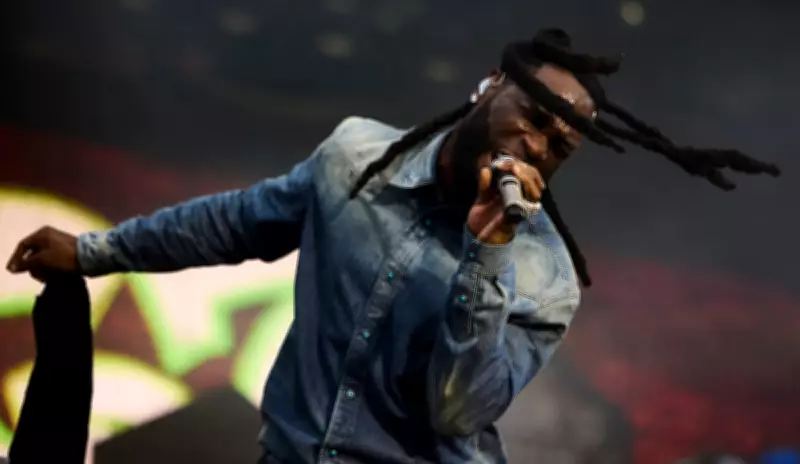
Once a powerhouse on international charts, Afrobeats—the vibrant contemporary dance music emerging from West Africa—now faces a critical juncture. From Burna Boy's Pyramid stage performance at Glastonbury 2024 to Rema's historic Calm Down reaching No. 3 on the US charts in 2023, the genre's trajectory seemed unstoppable. Yet today, industry insiders describe a scene in turmoil, with streaming numbers dropping and global collaborations failing to resonate.
The Rise and Plateau of a Cultural Export
The genre's breakthrough moment arrived in 2016 when Wizkid and Drake's collaboration Come Closer introduced Afrobeats to worldwide audiences. By 2021, as pandemic restrictions eased, the genre exploded globally. Songs like Ckay's Love Nwantiti and Wizkid's Essence dominated TikTok and charted internationally, while 2022 saw Burna Boy's Last Last and Fireboy DML's Peru achieve similar success.
"Afrobeats has been one of our major exports, not just in terms of money but in terms of shedding more light on our culture," says Joeboy, one of Nigeria's biggest artists. The music transformed global perceptions of African culture, fashion, and lifestyle. However, since Calm Down's peak, US chart entries for African artists have dried up, and major acts like Wizkid have canceled global tours.

Industry Professionals Voice Growing Concerns
Olabode Otolorin, a campaign associate at leading label Mavin Records, reflects the changing mood: "It is currently in a perilous state in terms of our exports." At a Lagos listening party for his album Clarity of Mind, established artist Omah Lay made a blunt assessment: "Afrobeats is declining overseas—that's a fact."
Broadcaster Melody Ifeanyi Adigo observes differing perspectives: "Younger artists remain optimistic about global potential, while established artists focus on survival." This dichotomy highlights the industry's fragmented state.
Financial Pressures and Shifting Strategies
Marketing budgets have contracted significantly since the peak investment years of 2021-2022. Wale Oloworekende, managing editor of Nigerian culture publication the Native, notes: "Marketing budgets and advances are no longer what they used to be." Where artists once secured Times Square billboards and US talk show appearances, they now increasingly rely on DIY approaches like TikTok.
The costs remain substantial. Mavin Records founder Don Jazzy reveals launching new talent averages $100,000-$300,000, while global promotion for a hit like Calm Down approached $5 million. An anonymous marketing executive confirms music videos cost $20,000-$75,000, with local Nigerian promotion reaching $90,000 per single.
Stylistic Evolution and Market Fragmentation
Afrobeats continues evolving stylistically, having incorporated elements from hip-hop, R&B, Ghanaian highlife, reggae, and most recently South African amapiano. Yet this constant reinvention has created uncertainty. Motolani Alake, a Virgin Music marketing manager, states: "Currently, there's so much fragmentation. Amapiano no longer seems to be working. Nobody knows what works, causing a lot of panic."
UK-based cultural strategist Dami Ajayi argues Afrobeats' global expansion "was a bubble" fueled by pandemic-era listener exploration and diaspora support. As novelty faded and economic conditions tightened—particularly in Nigeria where 63% live below the poverty line—the market cooled.
External Factors and Internal Reflection
Industry experts identify multiple external pressures. Oloworekende suggests western political shifts toward conservatism and ethno-nationalism affect arts funding, noting the resurgence of traditionally white genres like country music. Meanwhile, Alake believes foreign investment created complacency: "This comfort has stymied hunger in the industry and the innovation that allows cultures to thrive."

Signs of Hope and Realignment
Despite challenges, optimism persists. Underground artists like Mavo and Zaylevelten are gaining traction with innovative sounds blending Nigerian perspectives with global influences like rage rap. This year's Homecoming festival in Lagos—traditionally headlined by superstars—featured predominantly underground artists, signaling potential shift.
"We're recharging and everyone needs to be humble about it," concludes Alake. The story may be less about decline than realignment, as the industry seeks new pathways to renewed global relevance while nurturing emerging talent.