Raghu Rai, the celebrated Indian photographer who joined Magnum Photos at the invitation of Henri Cartier-Bresson in 1977, has died at the age of 83. Over five decades, he created defining images of Indian life, ranging from grand landscapes to intimate portraits.
Early Life and Career
Born in Jhang, now in Pakistan, Rai became one of India's foremost visual chroniclers. He is particularly known for his coverage of the 1984 Bhopal disaster for Greenpeace, as well as his intimate portraits of Mother Teresa. Rai authored more than 18 books and received numerous awards, leaving behind a legacy of 60 years of unflinching human observation.
Iconic Works
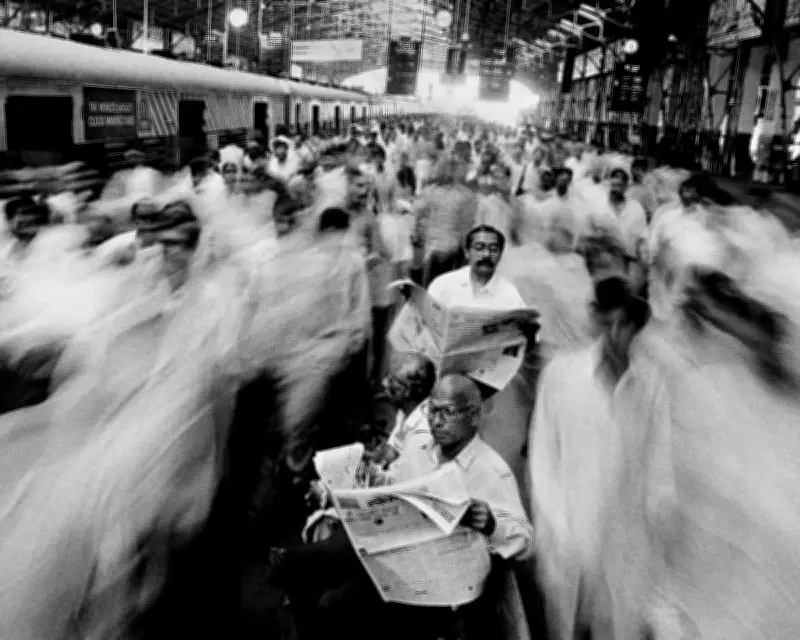
Rai's work includes striking images of commuters at Churchgate railway station in Mumbai (1995), crowds at Chowpatty beach (2004), and boys living in a slum next to the international airport in Dharavi (2004). His photograph of a girl named Gas Devi, born on the day of the Bhopal gas tragedy, became a symbol of that disaster. Rai also captured the installation of a Jain Lord Swami Mahavir statue in Delhi (1990) and wrestlers through a painted gate in Paharganj (1989).
Humanitarian Impact
Rai's documentation of the Bhopal disaster helped raise awareness and pursue justice for victims. His images of Mother Teresa, who existed at the boundary between global fame and local culture, remain among his most visually powerful subjects. William Dalrymple noted that Rai's work in Delhi had a 'tender and knowing intimacy that no outsider could come close to.'
Rai's photographs reveal the raw texture of lived experience, capturing both the elite and the masses with equal depth. His legacy endures through his books and the countless lives he touched with his lens.