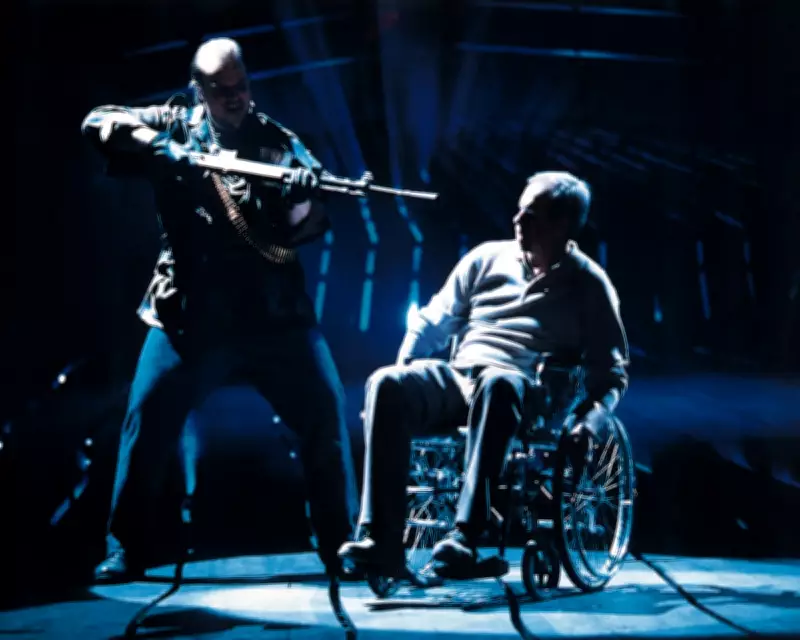
The Death of Klinghoffer and the Healing Power of Music
John Adams' opera 'The Death of Klinghoffer' has long been a subject of intense debate, but its capacity to use music as a vehicle for healing and understanding remains underexplored. The opera, which depicts the 1985 hijacking of the cruise ship Achille Lauro and the murder of Jewish-American passenger Leon Klinghoffer, has been criticized for its portrayal of the events and its perceived sympathy for the hijackers. However, a closer look reveals that the work is a profound meditation on the human condition, using music to transcend political divides and offer a space for reflection.
Music has an unparalleled ability to evoke empathy and process complex emotions. In 'The Death of Klinghoffer', Adams employs a minimalist score that blends choral passages, orchestral interludes, and solo arias to create a tapestry of sound that mirrors the tragedy's emotional weight. The opera does not shy away from the brutality of the act, but it also humanizes the perpetrators, not to excuse them, but to understand the depths of human conflict. This approach has sparked outrage among some who feel it equates the victims and aggressors, yet it also opens a dialogue about the roots of violence and the possibility of reconciliation.
The healing power of music lies in its ability to communicate beyond words. In the opera, the chorus often serves as a collective voice, representing the broader community affected by the tragedy. The music's repetitive structures and shifting harmonies create a sense of inevitability and sorrow, allowing listeners to sit with the discomfort of the narrative. This is not an easy experience, but it is a necessary one for those seeking to understand the complexities of historical trauma.
Since its premiere in 1991, 'The Death of Klinghoffer' has been performed sporadically, often met with protests. Yet, each performance is an opportunity for audiences to engage with the music's transformative potential. The opera does not offer easy answers or moral clarity; instead, it invites listeners to grapple with ambiguity. In a world increasingly polarized, this capacity to hold space for contradiction is itself a form of healing.
Critics argue that the opera fails to honor Klinghoffer's memory, but supporters contend that it does so by refusing to reduce his death to a political symbol. The music elevates the story to a universal level, exploring themes of loss, faith, and the search for meaning in the face of senseless violence. The final chorale, a setting of a poem by the 12th-century Jewish philosopher Moses Maimonides, speaks to the possibility of transcendence: 'The Lord is my shepherd; I shall not want.' This ancient text, sung in the context of the opera, becomes a testament to resilience.
In conclusion, 'The Death of Klinghoffer' remains a controversial work, but its contribution to the healing power of music should not be overlooked. By forcing audiences to confront uncomfortable truths, the opera fosters a deeper understanding of the human experience. Music, in this context, becomes a tool for empathy and reflection, essential for any society grappling with the aftermath of tragedy.