A new exhibition at Poster House in New York is showcasing a collection of vibrant posters from the early 20th century that promoted reading as a symbol of freedom and democracy. Titled Reading Under Fire: Arming Minds & Hearts During Wartime, the display runs until 1 November and features works from the American Library Association (ALA) and other organizations that supplied books to troops during World War I and World War II.
Knowledge as a Weapon
The ALA provided millions of books to soldiers during World War I, hoping to instill a lifelong love of reading. One poster, Knowledge Wins (1918) by Dan Smith, illustrates how reading could lead to post-war opportunities. Another poster, In a War-Torn World, Let Good Books Help YOU (c. 1942), emphasizes the role of literature in dismantling Nazi propaganda.
Fighting Illiteracy and Tyranny
Approximately 25% of US troops were illiterate or did not speak English. Posters like Savings Are Like the Best Books (c. 1940) promoted libraries as a path to education. The poster The Nazis Burned These Books (1943) depicts the infamous book burning in Berlin on 10 May 1933, urging Americans to read as an act of protest.
Supporting Troops Through Reading
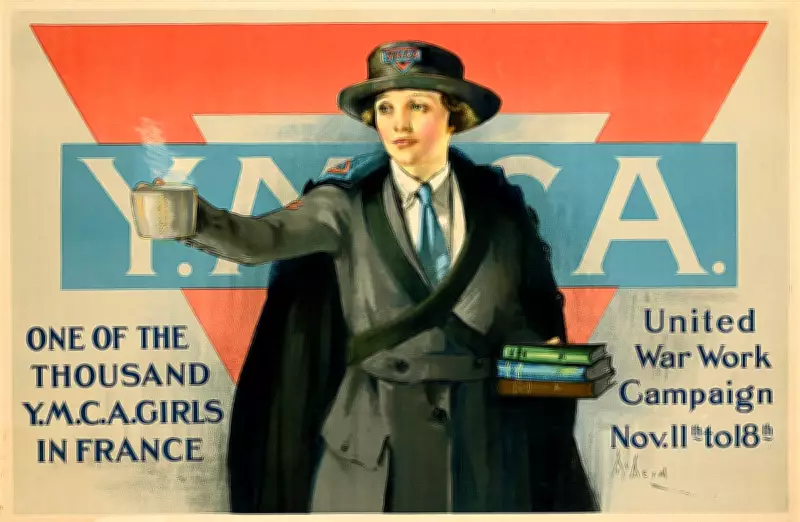
During World War I, the YMCA hired over 3,000 women as welfare workers, as shown in One of the Thousand YMCA Girls in France (1918) by Neysa McMein. The United War Work Campaign raised $200 million in 1918 to provide recreational items, including books, for soldiers waiting to return home.
German troops also enjoyed reading, as seen in the poster Gute Bücher-Gute Kameraden (1916), which translates to “Good Books–Good Comrades.” The exhibition also includes This is the Enemy (1943), created by Artists for Victory, depicting Nazi attacks on Christianity.
Curated by Briana Ellis-Gibbs, the exhibition offers a unique glimpse into how books and reading were used as tools of resistance and morale during wartime. All images and words are courtesy of Poster House and curator Molly Guptill Manning.