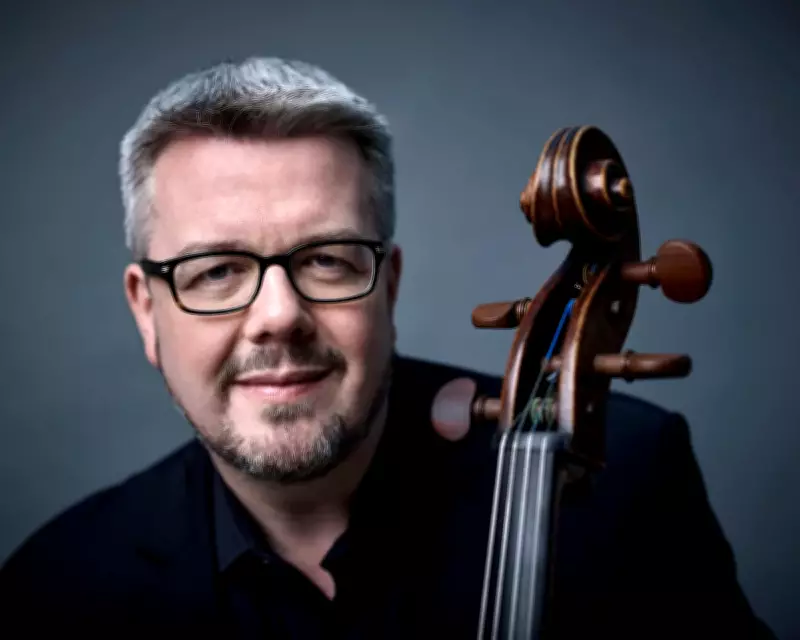
Cellist Paul Watkins, a member of the Nash Ensemble and the Emerson Quartet, has immersed himself in Beethoven's chamber music for years. Now, he brings that experience to his first recording of the complete cello sonatas, partnering with pianist Alessio Bax. Their collaboration, sparked by Watkins hearing Bax play the Moonlight Sonata, proves instinctive: the duo's playing is unfailingly eloquent, never striving for effect.
A Lifelong Immersion in Beethoven
Watkins' deep familiarity with Beethoven's chamber works pays dividends in this recording. The five sonatas span the composer's creative life, from early works breaking new ground in cello-piano partnership to later masterpieces demanding full expressive power.
Early Sonatas: Breaking New Ground
The two earliest sonatas, dating from the time of Beethoven's first piano concertos, treat cello and keyboard as equal duet partners. Both feature slow, serious introductions leading into extended movements showcasing piano virtuosity. Bax rises to the challenge with a light, crisp touch.
Op 69: A Symphonic Scherzo
The expansive third sonata, Op 69, was composed alongside the Fifth Symphony. Its perky middle movement resembles a symphonic scherzo, nicely weighted here, with momentum sustained through textural changes.
Late Sonatas: Depth and Restraint
The final pair harness Watkins' full expressive powers, especially the fifth sonata, the only one with a full-blown slow movement. It begins in reticent, hymn-like style, blooming into deeply felt emotion. Watkins and Bax handle its closing passages with tightly controlled restraint, then gently clear the air before the wrangly little fugue of the finale. It's all beautifully done.