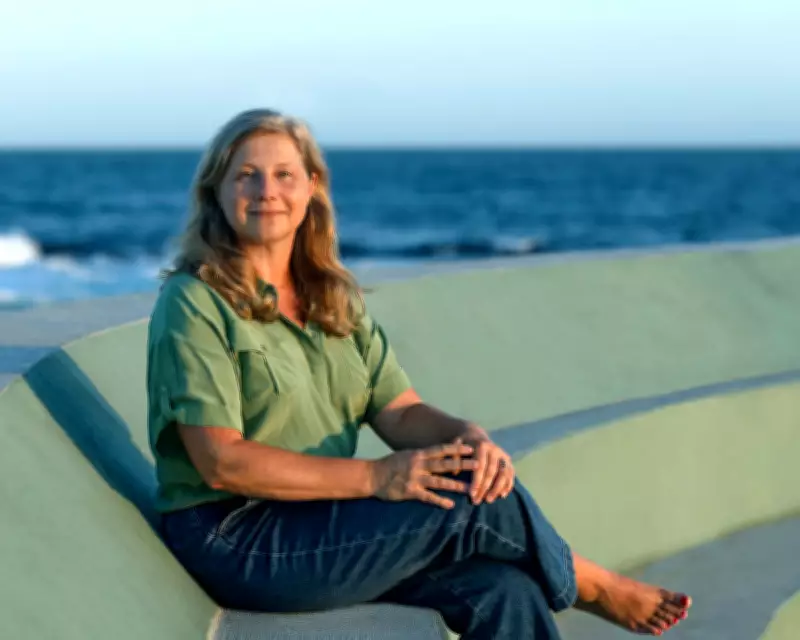
Rosemarie Milsom, the founder and director of the Newcastle Writers Festival, has been appointed as the new director of Adelaide Writers' Week, following the festival's dramatic collapse earlier this year. The crisis erupted when the festival board overrode then-director Louise Adler and disinvited Palestinian-Australian author Randa Abdel-Fattah over her comments on Israel and Zionism. This led to a mass boycott by over 200 writers, Adler's resignation, the entire board stepping down, and a potential defamation lawsuit against South Australian Premier Peter Malinauskas.
A Seasoned Leader with a Clear Vision
Milsom, who built the Newcastle Writers Festival from scratch in 2013, brings a wealth of experience and a firm commitment to curatorial independence. She has been a vocal advocate for free speech and the democratic role of literary festivals. 'I grew up in a single-parent family in Sydney, and access to free arts events really shaped who I am,' she said. 'I’d be shocked if that changed.' She praised Adelaide Writers' Week's tradition of keeping sessions free, noting that any move to charge would provoke substantial outrage.
Lessons from Newcastle
Milsom faced similar pressures in Newcastle when New South Wales Liberal MP Aileen MacDonald questioned her decision to invite Abdel-Fattah, calling for the festival's state funding to be revoked. Premier Chris Minns labeled the festival 'crazy' and 'divisive' but refrained from intervening. Milsom stood firm, directly emailing all booked writers to assure them no one would be dropped. The controversy galvanized audiences, resulting in record attendance—a 27% increase—without any protests or boycotts.
'I remember thinking, come to Newcastle and say that,' Milsom said of MacDonald's comments. 'Come here and talk to all the businesses, the hotels, the hire car companies, the local caterers, the printers, the musicians—all local. Thousands of dollars invested in this community, before you even get to the audience.'
Understanding the Pressures
Milsom, who was born into a Bosnian Muslim family and lost relatives in the Bosnian genocide, understands the gravity of political controversy but stresses the importance of objectivity in leadership. She credits her 20-year career as a journalist for helping her navigate the onslaught of abuse and pressure. 'I’ve known that pressure to not cover something. It’s not a pleasant feeling. You lose sleep. But, at the back of your mind, if you’re a good, decent journalist, you know there’s a bigger reason for you doing a story,' she said. 'Translate that to a writers’ festival—that’s curatorial independence.'
She criticized arts organizations like Creative Australia and the Melbourne Symphony Orchestra for canceling performances and excluding artists over their views on the Israel-Palestine conflict. 'I’m really disappointed they keep making the same mistake,' she said. 'If you think the only way to navigate it is to appease one particular group, that’s not a fair response. What happens when you’ve got five groups coming at you? Do you appease all five?'
Governance and Integrity
Milsom emphasized that strong governance is crucial for festivals to withstand political pressure. 'When governance fails, you get what happened in Adelaide. If a board is weak and confused and scared and worried about what sponsors or government are going to say, they turn on you,' she said. 'Strong governance means you’re going to upset people. You will never please everybody. Your decision not to disinvite a writer will disappoint people. But you can move forward with your integrity in place.'
Before accepting the position, Milsom asked the new Adelaide festival board whether she would have true independence and policies in place. 'They said yes,' she confirmed. 'If that other board had stayed, there is no way I would have applied. I don’t think many people would have, in all honesty. It could have led to the demise of Adelaide Writers' Week. That was the line that was drawn.'
Looking Ahead to 2027
So far, only one writer has been invited to the 2027 Adelaide Writers' Week: Randa Abdel-Fattah, as a gesture of apology from the new board. Milsom noted that Abdel-Fattah has not yet accepted. 'I appreciate people don’t agree with what she has said. But I still stand by the principle that she should be allowed to have those views and that shouldn’t affect her invitation to a writers’ festival,' Milsom said.
Regarding Premier Malinauskas, who has been issued two concerns notices by lawyers representing Abdel-Fattah, Milsom said, 'I look forward to meeting the premier—I really do. We’ll obviously have a professional relationship. I’m really excited about the next three years.'
Milsom hopes that by the time the festival arrives in 2027, everyone will be relieved it survived. 'My sense of it is everyone will have moved on. And if you’re still hand-wringing over what happened in 2026, then that’s really on you,' she concluded.