Women's Prize for Fiction Shortlist Celebrates Female Voices and Independent Publishing
The Women's Prize for Fiction has revealed its highly anticipated shortlist for 2026, featuring a compelling mix of established literary stars and exciting new talents. This year's lineup, dominated by debut authors and independent publishers, showcases six novels that explore the intricate and beautiful facets of the female experience, as noted by Julia Gillard, the former prime minister of Australia and chair of the judging panel.
Acclaimed Authors and Debut Novelists in the Spotlight
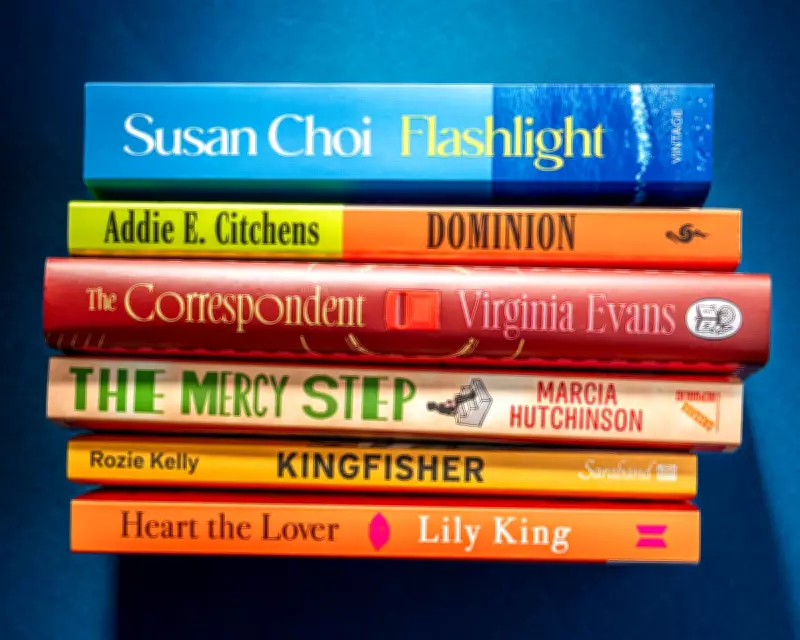
Among the shortlisted writers are acclaimed US novelists Susan Choi and Lily King, both recognized for their sixth works of fiction. They are joined by four debut authors—Addie E Citchens, Virginia Evans, Marcia Hutchinson, and Rozie Kelly—demonstrating the prize's commitment to fostering emerging voices in literature. The selection underscores a trend toward diverse storytelling and innovative narratives from smaller presses.
Susan Choi is shortlisted for Flashlight, a historical family saga that spans from small-town Indiana to North Korea, grappling with themes of disappearance and identity. The novel, previously shortlisted for the Booker prize, has been praised for its ambitious scope and linguistic prowess. Lily King earns a spot with Heart the Lover, a vivid and witty tale of a campus love triangle that reignites in mid-life, capturing the nuances of first love and its lasting impact.

Debut Works Offering Fresh Perspectives
The shortlist highlights four debut novels that bring unique voices to the forefront. Addie E Citchens' Dominion delves into the lives of two female protagonists within a Black church community in the American South, exploring faith and community dynamics. Virginia Evans' The Correspondent is an epistolary novel that follows an elderly woman navigating ageing and her past through letters to loved ones and strangers, offering a poignant reflection on memory and connection.
British author Marcia Hutchinson's The Mercy Step is a coming-of-age story set in 1960s Bradford, focusing on a young Black girl from a Windrush generation immigrant family, highlighting themes of identity and resilience. Completing the list is Rozie Kelly's Kingfisher, which portrays a young creative writing academic's infatuation with an older female colleague, examining power dynamics and desire in academic settings.
Independent Publishers Take Center Stage
Notably, four of the six shortlisted titles are published by independent presses, emphasizing the vital role these publishers play in bringing diverse stories to light. Canongate publishes Lily King's Heart the Lover, Europa Editions UK handles Addie E Citchens' Dominion, Cassava Republic Press releases Marcia Hutchinson's The Mercy Step, and Saraband is behind Rozie Kelly's Kingfisher. This dominance reflects a shift in the literary landscape toward supporting innovative and underrepresented voices.
Notable Omissions and Longlist Highlights
The shortlist saw some surprising exclusions, with prominent authors Katie Kitamura and Kit de Waal failing to advance. Kitamura's Audition, shortlisted for the 2025 Booker prize, and De Waal's The Best of Everything, from a former chair of the prize's judging panel, were among the longlisted titles that did not make the final cut. Other longlisted works included novels by Hannah Lillith Assadi, Lucy Apps, Elaine Castillo, Wendy Erskine, Sheena Kalayil, Megha Majumdar, Charlotte McConaghy, and Alice Evelyn Yang, showcasing a rich pool of contenders.
Judging Process and Prize Details
Julia Gillard led the judging panel, which included poet and novelist Mona Arshi, author and broadcaster Salma El-Wardany, writer and comedian Cariad Lloyd, and DJ and author Annie Macmanus. Together, they whittled down a 16-strong longlist to the final six. The prize is open to English-language novels published in the UK between 1 April 2025 and 31 March 2026, with the winner set to be announced on 11 June at a ceremony in London. This event will also crown the winner of the Women's Prize for Nonfiction, highlighting the organization's broader commitment to celebrating women's contributions to literature.

Historical Context and Past Winners
Founded in 1996, the Women's Prize for Fiction was established in response to the Booker prize's failure to shortlist any women writers in 1991, aiming to promote gender equality in literature. Past winners include literary giants such as Zadie Smith, Barbara Kingsolver, Maggie O'Farrell, and Chimamanda Ngozi Adichie, cementing the prize's reputation as a prestigious accolade. Last year's winner was Dutch debut novelist Yael van der Wouden for The Safekeep, a postwar romantic and family saga set in the Netherlands, praised for its historical authenticity and suspenseful narrative.
As the literary world eagerly awaits the June announcement, this year's shortlist not only celebrates outstanding fiction but also reinforces the importance of diverse voices and independent publishing in shaping contemporary literature.