The Literary Power of Silence: From Wordsworth to Grenfell
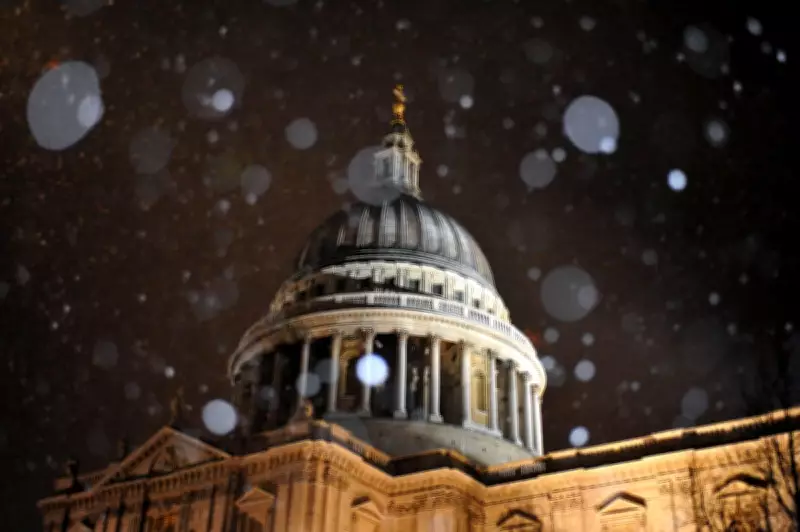
On a snowy Sunday morning in February 1808, the poet William Wordsworth walked along Fleet Street in London, feeling sombre after visiting his friend Samuel Taylor Coleridge. Coleridge was struggling with an unhappy marriage, financial woes, writer's block, poor health, and opium addiction. As Wordsworth trudged through the snow, absorbed in gloomy thoughts, he suddenly looked up to witness a breathtaking sight: Fleet Street lay silent, empty, and pure white, with the majestic form of St Paul's Cathedral looming at its end. This unthought-of vision, with the great thoroughfare devoid of carts and the cathedral blurry in the falling snow, deeply affected Wordsworth. In a letter to his patron Sir George Beaumont, he described it as a blessing from habits of exalted imagination, reinforcing his belief that intuiting something beyond oneself leads to moral magnificence.
Silence Through the Ages in English Literature
Silence has long inspired, daunted, comforted, and terrified writers throughout English literature. One of the earliest English poems, The Wanderer, composed in Anglo-Saxon, captures the strangeness of silence through an alien grey seascape where the protagonist is utterly alone. This silence is not complete noiselessness—hail beats on waves, and seabirds mew—but an intense absence of human voices. The poem conveys the wretched, aching loneliness of this silence, a perpetual reminder of lost happiness, while also portraying it as a duty for a seasoned warrior, blending Graeco-Roman stoicism, Germanic hero ethos, and Christian asceticism. It introduces readers to a silent inner voice, the necessary basis of an interior life.
Silence and grief are a natural pairing. When Alfred Tennyson's friend Arthur Henry Hallam died at age 22 in 1833, the lack of words was a personal and professional affront. In his poem In Memoriam, spanning nearly 3,000 lines, Tennyson used all his skills to grapple with this unsayable grief. He wrote about the ship carrying Hallam's body, the pressing absence felt at his friend's house, and a dream where he fell silently on Hallam's neck. The emotional impact of the poem lies not in what it says, but in what it leaves unspoken—the inexpressible depths of loss.

Silence as Solace and Defeat
For others, silence offers solace rather than inexpressibility. After the Brexit referendum in 2016, remain voters experienced disbelief, anger, grief, shame, and denial, akin to historical losers like royalists during the Interregnum or republicans after the Restoration. Defeat led many to question God's providence and rethink a good life, with writers like John Milton and Anne Finch withdrawing into the green silences of gardens and country estates. These silences expressed devastated defeat or calm self-possession, highlighting how opting out of conversation can be liberating.
In the 19th-century novel, silence plays a subtle yet powerful role. Elizabeth Gaskell's tactful silences remind us that it is sometimes kinder not to say everything we know. Thomas Hardy's companionable silences convey an easy togetherness that words would ruin, while George Eliot's empathic silences connect deeply during high emotions. Even the tiniest silences can be humorous, as in Jane Austen's Persuasion, where a short pause after Sir Walter Elliot's preposterous remarks allows their full folly to bloom into view.
Modern Silences: From New Cross to Grenfell
In contemporary times, silence continues to resonate. In 2016, poet Jay Bernard took up a residency at the George Padmore Institute in north London, focusing on radical Black history. The New Cross fire of 1981, which killed 13 young Black people, was on their mind, and when the Grenfell Tower fire happened in 2017, Bernard was sickened by the similarities in lack of closure, responsibility, and accountability. Their multimedia poetry collection, Surge, registers a gamut of silences between these tragedies: details Tipp-Ex'd out of files, media silence, and the weighty silences of the ghostly dead.

Over 1,200 years, English literature has spoken eloquently through silences as well as words. Without silences, we would lose the exquisite hush of medieval lullabies, the suspenseful secrets of realist novels, and the jagged fragmentation of modernist poetry. We would miss implicitness, ambiguity, precision, protest, and varied moods. From Iago's unexplained motives in Othello to Keats's quiet Grecian Urn, silence explores the ineffability of the divine, wordlessness in strong emotions, self-effacement, and awe at the natural world. These are not peripheral matters but among humanity's most important ideas.
Silence: A Literary History by Kate McLoughlin, published by Oxford University Press on 27 March, delves deeper into this theme, priced at £30.