This week's selection of compelling reads spans from the heartwarming to the bizarre, offering insights into human resilience, technological wonders, and cultural phenomena. Here are six articles that have captivated our readers over the past seven days.
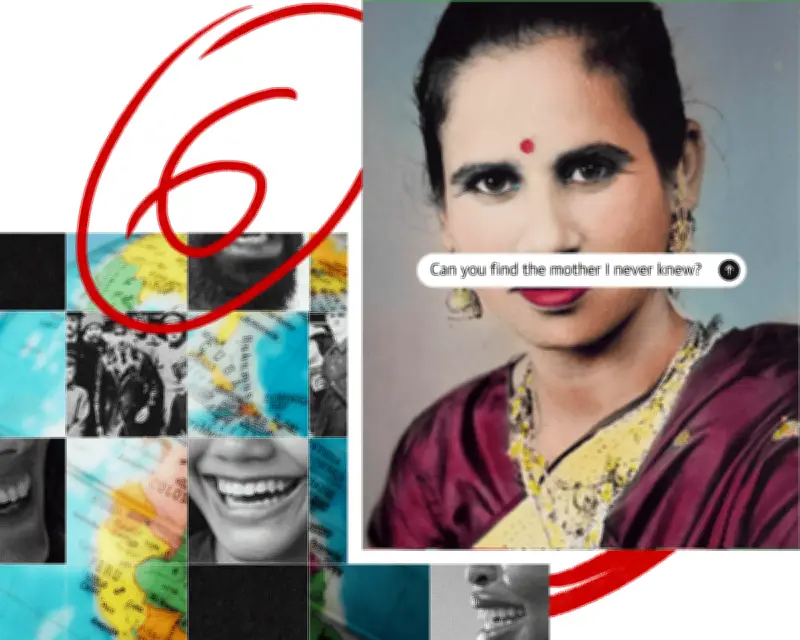
ChatGPT Reunites a Long-Lost Family
In a remarkable turn of events, artificial intelligence has played a pivotal role in reuniting a family separated by decades and distance. Avtar, who spent years wondering about the mother he never knew, and Nicci, haunted by the story of a half-brother given away before her birth, were brought together through a series of coincidences initiated by ChatGPT. Journalist Jenny Kleeman chronicles this extraordinary journey, highlighting how a chatbot's search led to an email that changed their lives. As one of them remarked, 'There is a human touch to AI – look what happened.'
The Enduring Idealism of Esperanto
Esperanto, the invented language designed to foster global unity, continues to inspire a dedicated following. While often dismissed as eccentric, its history is steeped in political significance, having been embraced by labour, anticolonial, and anarchist movements before facing persecution during World War II. Katie Thornton's long read explores the movement's annual congress and why today's adherents, many familiar with conflict, still believe this century-and-a-half-old language can bridge divides.

Britain's Fly Infestations: A Plague or a Rebrand?
Imagine being surrounded by clouds of flies week after week. Lucy Knight investigates one of Britain's most insect-plagued neighbourhoods, delving into the causes and the societal disgust these pests evoke. The article also raises a provocative question: could flies be due a rebrand, shifting from pests to something more beneficial?
An Asthma Clinic in an Armenian Salt Mine
Deep beneath the earth's surface, a unique medical facility operates within an active salt mine in Armenia. Patients descend 250 metres to spend six hours in cavernous chambers, hoping the mineral-rich air will ease their breathing. Pjotr Sauer visits one of the world's only underground hospitals, but its future is uncertain after state funding was withdrawn, sparking debate about alternative medicine's role.
A Hiroshima Survivor's Message of Peace
Koko Kondo was a baby in her mother's arms when the atomic bomb devastated Hiroshima in 1945. Now a peace activist, she shares her father's newly discovered eyewitness account and her own journey from silence to advocacy. In an interview with Simon Hattenstone, Kondo expresses her determination to prevent such suffering, stating, 'I don't want to see any child go through that. That's why I do not want to see any war in this world.'
Shark Movies: Back for Another Bite
Shark thrillers have long been a staple of horror, blending the familiar with the terrifyingly plausible. Jesse Hassenger examines the genre's resurgence, particularly with Shark Week, and why these films continue to captivate audiences, even as they evolve to reflect contemporary anxieties.