The Unnamed Dog Walkers Who Finally Shared Their Identities
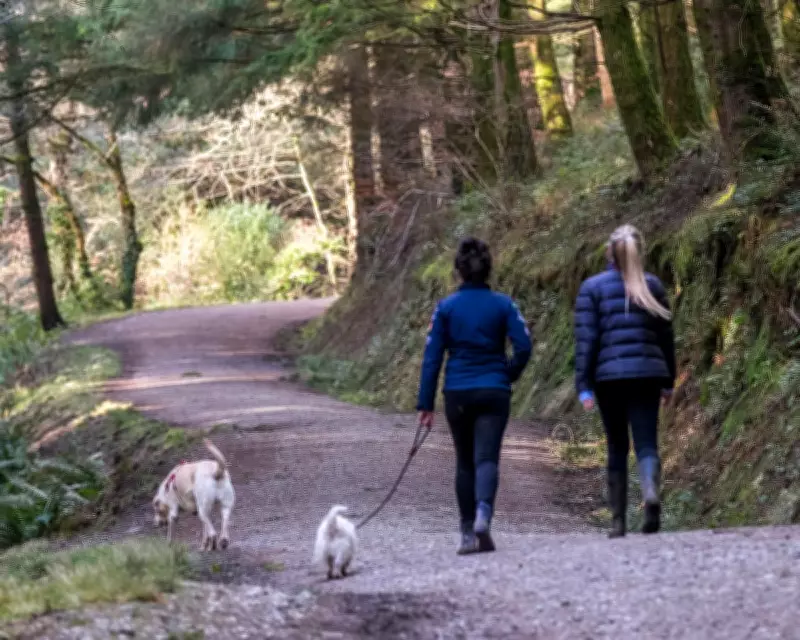
In a touching letter published in the Guardian, a dog owner from Macclesfield, Cheshire, has revealed how the passing of their cherished pet led to an unexpected breakthrough in local community connections. The writer, Nicola Campbell, described how their 14-year-old black labrador, Lowry, died last July, prompting an outpouring of support from fellow dog walkers.
Flowers, plants, and even portraits of Lowry were gifted, but it was the sympathy cards that provided a particularly meaningful revelation. For the first time, Campbell finally learned the names of these previously anonymous companions who shared daily walks. This simple act of condolence transformed vague acquaintances into known individuals, highlighting the subtle bonds formed through pet ownership.
A New Chapter of Greetings
Since that poignant moment, Campbell has experienced a shift in interactions during lone walks or time spent in the front garden. Dogs named Pepper, Wilfred, Pippin, and Peggy now eagerly drag their owners over to exchange hellos, with the owners no longer remaining nameless. This small but significant change underscores how shared grief can foster deeper human connections, even in casual settings like neighborhood strolls.
The letter serves as a reminder of the unspoken communities that exist among pet lovers, often built on silent understandings and mutual affection for animals. It illustrates how moments of loss can unexpectedly bridge gaps, turning nods of recognition into meaningful exchanges.
Other Letters Spark Debate
In related correspondence, Ian Garner from Keighley, West Yorkshire, shared a contrasting workplace anecdote involving the Guardian newspaper. As a student, Garner was dismissed from a summer job after just three days, with management citing that reading the Guardian during tea breaks was upsetting other workers. This brief account raises questions about workplace culture and the perceptions surrounding media consumption.
Meanwhile, Kevin Bannon from Broadstairs, Kent, challenged the characterization of Spanish Prime Minister Pedro Sánchez's stance against Donald Trump's policies. Describing it as "lonely" in a Guardian article, Bannon argued that "brave" would be a more fitting term, reflecting on the political courage required in international diplomacy.
Lastly, Mick Beeby from Bristol drew a generational parallel regarding cultural tastes. Recalling his father's baffled reaction to Bob Dylan's 1964 performance of "With God on Our Side," Beeby noted his own similar bewilderment upon viewing the UK's 2026 Eurovision entry video. This observation humorously highlights how artistic expressions can evolve yet still elicit comparable responses across decades.
These diverse letters collectively showcase the Guardian's letters section as a platform for personal reflections, societal critiques, and lighthearted musings, all contributing to a broader public discourse.