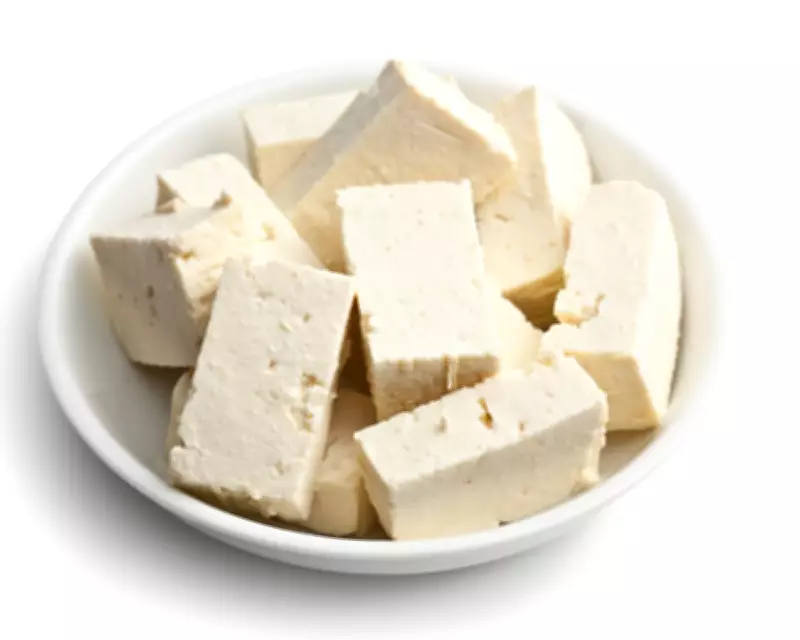
The Missouri tofu spill was described as 'unforgettable' and 'like a dead animal, but worse' after 40,000lbs of extra-firm tofu rotted for three weeks following a road accident. This incident prompts the question: what are history's greatest bad smells?
Notable Historical Stinks
Throughout history, humanity has endured some truly horrific odors. From the Great Stink of London in 1858, when untreated sewage in the Thames caused a pervasive foul smell, to the aftermath of the Great Plague of London, where unburied corpses and waste created an unbearable stench. More recently, the 2017 tofu spill in Missouri joins the ranks of unforgettable bad smells.
Modern Disasters
In 2019, a truck carrying 40,000 pounds of tofu overturned in Missouri, leading to a three-week insurance dispute that left the soy product to decompose. The resulting odor was so potent that local officials declared it unforgettable. Other modern smells include the 2015 California gas leak at Aliso Canyon, which released methane and other compounds, causing a foul odor for miles.

Ancient and Medieval Odors
In medieval Europe, the smell of death and decay was omnipresent during plagues. The Roman Empire also had its share of bad smells, such as the stench of the Cloaca Maxima, the ancient sewer system. The 1665 Great Plague of London was accompanied by the smell of infected bodies and burning tar.
Readers are invited to share their own candidates for history's worst smells. Post your answers and new questions below or send them to nq@theguardian.com. A selection will be published next Sunday.