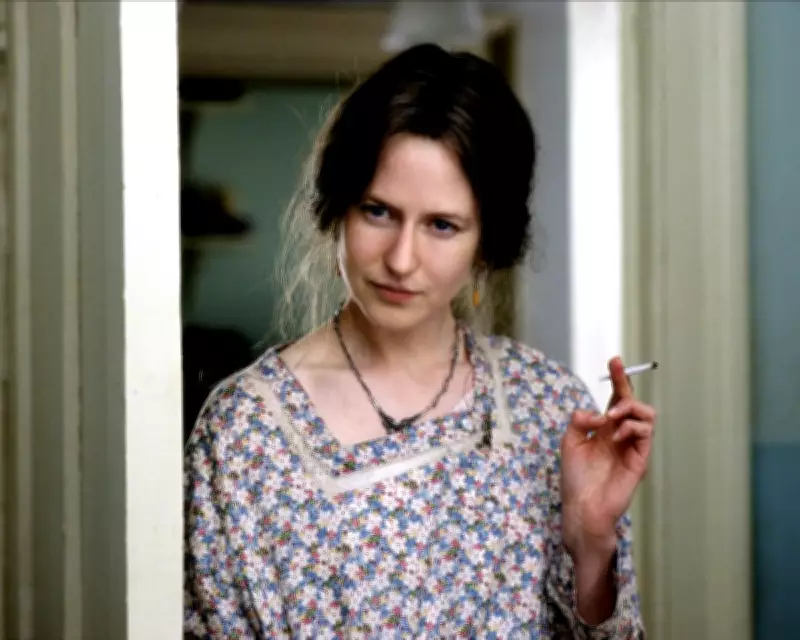
The Hours: A Queer Cinema Landmark Beyond Oscar Glory
Stephen Daldry's 2002 film adaptation of Michael Cunningham's Pulitzer Prize-winning novel The Hours has secured its place in cinematic history not just for Nicole Kidman's Oscar-winning performance with a prosthetic nose, but as a groundbreaking depiction of queer sexuality across the twentieth century. The film, which translates Virginia Woolf's literary influence into a powerful visual narrative, continues to resonate with audiences two decades after its release.
Three Women, One Day, Multiple Centuries
The film's innovative structure follows three women across different time periods, all connected through Woolf's seminal 1925 novel Mrs Dalloway. Nicole Kidman portrays Virginia Woolf herself in 1923, struggling with depression while writing her masterpiece. Julianne Moore plays Laura Brown, a 1950s American housewife reading Woolf's novel while battling domestic suffocation. Meryl Streep embodies Clarissa Vaughan, a contemporary New Yorker mirroring Woolf's protagonist while caring for her ex-lover dying of AIDS.
This triptych approach was initially considered unadaptable due to its nonlinear, stream-of-consciousness style that pays homage to Woolf's pioneering literary techniques. However, Daldry's direction successfully translates the novel's complex structure into a cohesive cinematic experience that explores how a single day can contain both profound beauty and oppressive mundanity.

Beyond the Prosthetic: Performances of a Lifetime
While Nicole Kidman's Academy Award win for her transformation into Virginia Woolf—complete with prosthetic nose—often dominates discussions of the film, this focus overlooks the movie's deeper significance. Kidman's performance, created during her divorce from Tom Cruise, channels personal pain into Woolf's quiet despair and intellectual ferocity with remarkable authenticity.
Julianne Moore and Meryl Streep deliver career-defining performances as women on the verge of emotional collapse. Streep, whose character is actually named in Cunningham's original novel, is particularly mesmerizing in the film's climactic breakdown scene, displaying extraordinary physical and emotional vulnerability. The supporting cast, including Toni Collette, Ed Harris, and Allison Janney, creates what critics have described as a "murderers' row" of acting talent.
Queer Narrative as Structural Innovation
The queer community's embrace of The Hours extends beyond its melodramatic tendencies to its fundamental understanding of queer experience. Each protagonist navigates her own relationship with queerness, with sexual encounters that threaten to unravel their self-understanding. For Woolf and Brown, queerness represents liberation from domestic prisons; for Vaughan, it means confronting buried feelings within an openly lesbian relationship.
The film's non-sequential structure itself becomes a queer narrative device, disrupting traditional linear storytelling in ways that mirror how queerness challenges conventional historical narratives. This structural innovation, inspired by Woolf's norm-breaking writing, highlights how shared queer history exists outside straight, chronological frameworks.
Legacy and Cultural Impact
Upon release, The Hours received critical acclaim for its stellar ensemble cast and Philip Glass's haunting musical score. However, its enduring significance lies in its sympathetic exploration of women's struggles against heteronormative, patriarchal expectations across generations. The film powerfully illustrates how women continue to be burdened by societal roles that prioritize being a "wife" or "mother" over being a complete person.
Today, The Hours stands as more than Oscar bait or a showcase for prosthetic transformations. It remains a vital work of queer cinema that understands how discovering one's queerness can be simultaneously terrifying and liberating, while offering a structural innovation that continues to influence narrative filmmaking. The film's availability for streaming ensures new generations can experience this groundbreaking exploration of identity, time, and artistic legacy.