Hollywood's Esteemed Directors Turn to Artificial Intelligence in Film Production
In a significant shift within the film industry, respected Hollywood directors are beginning to embrace artificial intelligence in their production processes. From Steven Soderbergh to Darren Aronofsky, these film-makers are exploring how AI can be integrated into their creative work, raising important questions about the nature of artistry and technological advancement.
Soderbergh's AI Exploration in Upcoming Projects
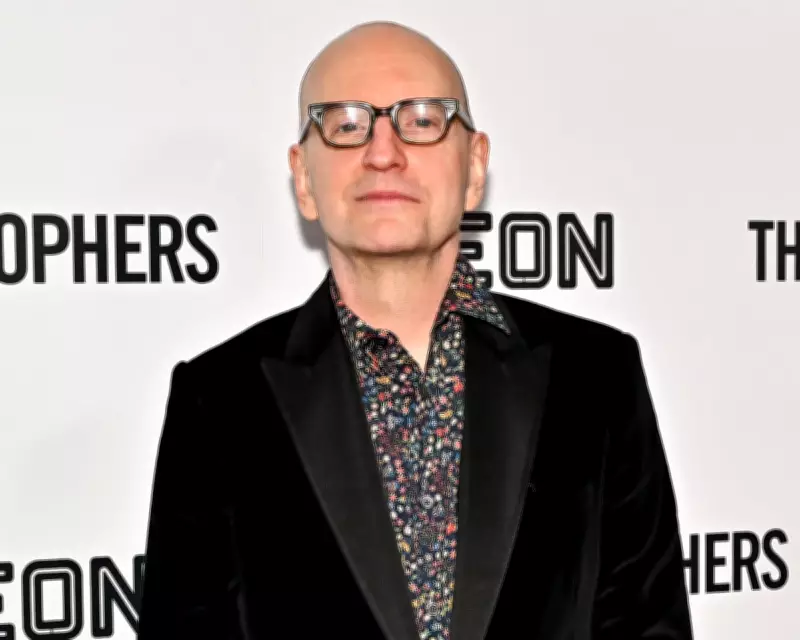
Steven Soderbergh, known for his prolific output and technological experimentation, has openly discussed his interest in using AI for upcoming films. In interviews promoting his recent movie The Christophers, Soderbergh revealed that he used generative AI to create "thematically surreal images that occupy a dream space rather than a literal space" for his documentary about John Lennon and Yoko Ono. He further stated that a planned movie about the Spanish-American war would utilize "a lot of AI."
Soderbergh's approach appears measured rather than evangelical. He told Variety, "I don't think it's the solution to everything, and I don't think it's the death of everything. We're in the very early stages. Five years from now, we all may be going, 'That was a fun phase.' We may end up not using it as much as we thought we were going to." This balanced perspective reflects his history of embracing new technologies while maintaining artistic integrity.

Other Hollywood Figures Joining the AI Movement
Soderbergh is far from alone in his AI exploration. Several prominent Hollywood figures have expressed interest or actively incorporated artificial intelligence into their work:
- James Cameron has expressed curiosity about how he might use AI technology while maintaining that generative AI alone will have no place in his Avatar universe. He has also joined the board of StabilityAI.
- Ben Affleck has invested in an AI startup company, demonstrating financial commitment to the technology's development.
- Doug Liman is directing a new film that will use AI-generated sets and lighting while employing human actors and crew members.
- Darren Aronofsky has lent his name to an AI-generated web series, further expanding the technology's reach in creative projects.
The Debate Over AI's Role in Filmmaking
This growing acceptance of AI among respected directors contrasts sharply with the perspectives of other film-makers. Guillermo del Toro has stated he would "rather die" than use AI in his films, while Steven Spielberg has affirmed his preference for human creativity over artificial intelligence. Spielberg notably qualified his position by saying he hasn't used AI "yet," leaving the door open for future possibilities.
The debate centers on whether AI represents a democratizing tool that can expand creative possibilities or a threat to artistic integrity and craftsmanship. Proponents argue that AI can reduce production costs and open new creative avenues, while critics worry about degradation of quality and the potential for AI to replace human artistry.
Historical Parallels and Future Implications
The current AI discussion echoes previous technological transitions in film-making, particularly the shift from celluloid to digital cameras. Soderbergh was an early adopter of digital technology, eventually mastering it to create acclaimed films. Today, digital cameras have become standard, with only a small number of directors remaining committed to celluloid.
This historical precedent suggests that AI may follow a similar trajectory, with early adopters like Soderbergh and Cameron potentially demonstrating how to use the technology effectively. The concern, however, is that widespread AI adoption might lead to quality degradation in mainstream productions, creating a growing divide between high-quality, carefully crafted films and lower-tier productions that rely heavily on automated processes.

As the film industry continues to grapple with AI's implications, the fundamental question remains whether artificial intelligence will enhance creative expression or diminish the human artistry that has defined cinema for over a century. The answers may determine not just how films are made, but what kinds of stories get told and who gets to tell them in the coming decades.