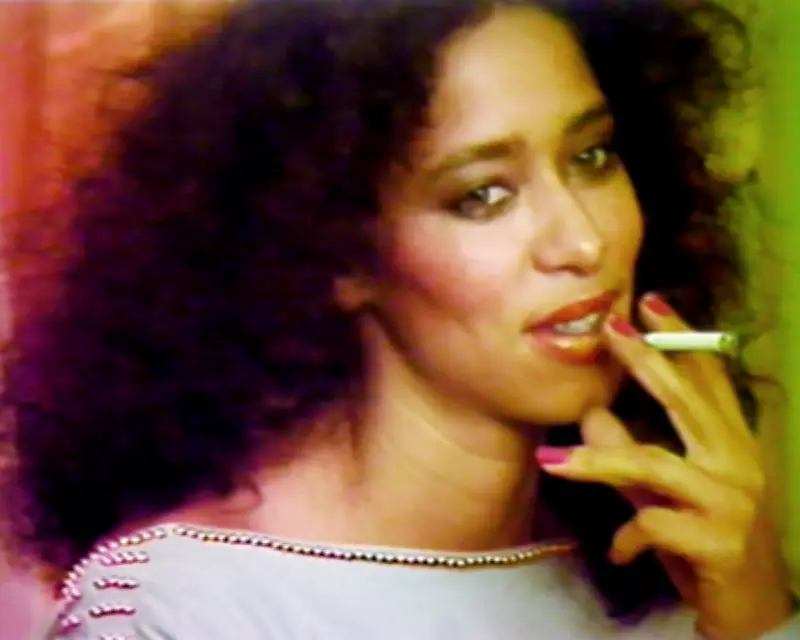
In 1980, Bill Gunn, director of the cult 70s horror film Ganja & Hess, collaborated with author Ishmael Reed on an ambitious micro-budget video project. The result, Personal Problems, is an improvised melodrama in two parts about Black lives in New York, originally intended for television and shot on analogue video. The film is rough and ready, with a sometimes muddy sound mix, but it pops with energy and life.
A Pioneering Aesthetic
The film anticipates by decades the world of shooting movies on smartphones, even though the filmmakers were presumably wielding camera equipment the size of a briefcase. The opening titles to part one are so basic that they resemble a modern, intentionally VHS-fetishist gag by someone like Harmony Korine. The boozy scenes and overlapping dialogue invite comparisons to Cassavetes or Altman, but for many viewers, it recalls Larry David's Curb Your Enthusiasm. There is genuine comedy in a scene where a stern-faced hospital administrator in the emergency room asks an endless series of form-filling questions of a young man in mortal agony, who cannot be treated until the bureaucracy is complete.
Plot and Characters
The story, though ramifying into various subplots and sidebars, revolves around a nurse at Harlem Hospital named Johnnie-Mae, played by nonprofessional Vertamae Smart-Grosvenor, a poet and food writer. In the opening scene, she is interviewed about her life, family background, and interest in writing poetry; in this sequence, she is calm, articulate, and strong in a way she is never permitted to be once the eventful drama kicks off. Johnnie-Mae is married to Charles, played by the film's producer Walter Cotton, but is having an affair with jazz musician Raymon (played by Sam Waymon, brother of Nina Simone), a situation she reveals to two friends at a boozy, uproarious brunch.

Domestic Turmoil and Social Commentary
Idle, mopey Charles, whose main interest seems to be watching The Guns of Navarone on TV, is having an indiscretion of his own, something revealed so fleetingly that it seems like a dream. Johnnie-Mae is furious at having to share her cramped marital home with Charles's rackety old dad, but then she also has to let her dodgy brother Bubba and his girlfriend Mary-Alice stay with them; their criminal dealings lead to a dramatic arrest in the middle of the day while everyone else is out. Her relationship with Raymon deteriorates as he becomes more famous and successful. In the film's second part, her father-in-law's declining health prompts an explosive confrontation with Charles's sister.
An Open-Ended Experiment
The film's narrative direction is everywhere and nowhere, offering a slice of life—two slices, in fact. The second half quickly recapitulates the action of the first before moving things on, an indication of its intended television format. However, Personal Problems has neither the extended storytelling sensibility of longform television nor the enclosed narrative shape of a feature film. It rolls past for two and a half hours, an experiment in open-ended performance made with experimental, pioneering flair. According to the review, it is a quietly amazing work that anticipates contemporary lo-fi filmmaking.
Personal Problems is in UK cinemas from 31 July.