Michael Jackson Biopic Delivers Music But Misses Depth
The highly anticipated Michael Jackson biopic, simply titled Michael, has arrived in cinemas with a formula that prioritizes spectacle over substance. While the film expertly showcases the legendary performer's iconic music catalog, it deliberately sidesteps the more controversial and complex aspects of his life, resulting in a cinematic experience that feels sanitized and superficial.
Strong Performances Anchor the Musical Journey
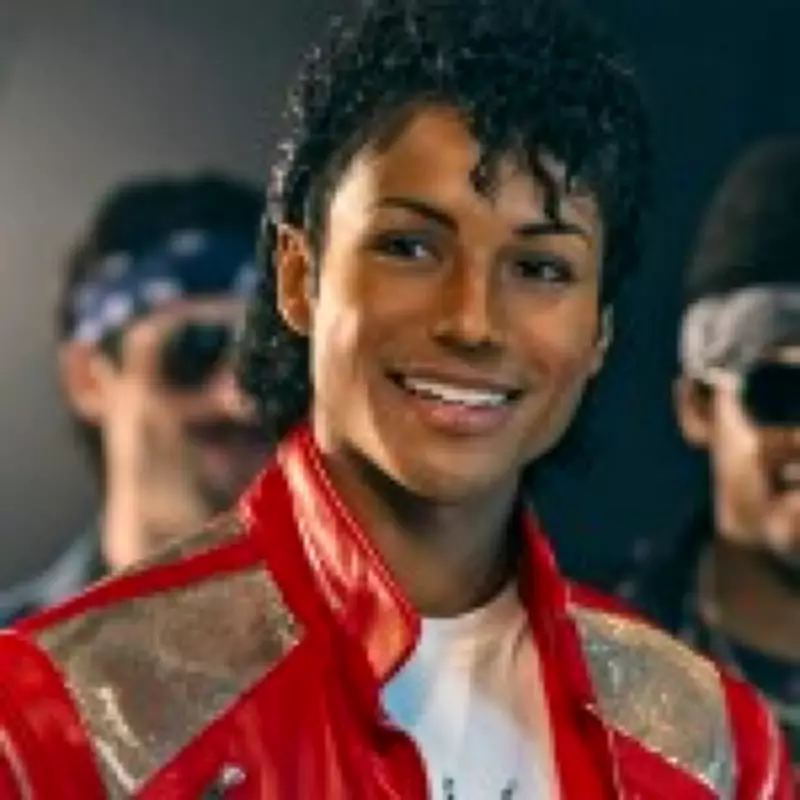
Where the film truly excels is in its casting. Jaafar Jackson, the real-life nephew of Michael Jackson, delivers an uncanny and compelling portrayal of the adult singer, capturing his distinctive voice and movement with remarkable accuracy. Equally impressive is Juliano Valdi, who brings the young Michael to life with exceptional talent, highlighting the early signs of the star's prodigious abilities.
The supporting cast includes notable performances from Colman Domingo as the terrifying patriarch Joe Jackson and Nia Long as the compassionate Katherine Jackson. However, appearances by Miles Teller and Mike Myers in minor roles feel underutilized, serving merely as narrative devices rather than fully developed characters.

Avoiding Controversy at All Costs
The biopic makes a conscious decision to avoid addressing the molestation allegations that plagued Jackson's later years. This omission is not artistic choice but a legal necessity; a settlement clause with accuser Jordan Chandler prohibits his mention in any film. This restriction reportedly cost the production $15 million in reshoots, delayed its release by a year, and forced screenwriter John Logan to restructure the narrative around Jackson's rise to fame and his tumultuous relationship with his father.
As a result, the film focuses heavily on well-documented aspects of Jackson's life: the brutal training under Joe Jackson, his struggles with vitiligo, insecurities about his appearance leading to plastic surgery, and the infamous Pepsi commercial accident that caused severe burns. Yet, these elements are presented in broad strokes, failing to provide new insights or a deeper understanding of the man behind the music.
Musical Mastery Saves the Day
Despite its narrative shortcomings, Michael shines in its musical sequences. The film treats Jackson's hits with reverence, allowing songs like I Want You Back, Thriller, Billie Jean, and Bad to play out in full, much to the delight of fans. The technical achievement of synchronizing Jackson's voice with both Jaafar and Juliano's performances is particularly noteworthy, creating an immersive auditory experience.
However, the film's score, composed by Lior Rosner, occasionally veers into schmaltzy territory, lending certain scenes a daytime TV movie feel. Director Antoine Fuqua's direction is functional but unremarkable, doing little to elevate the material beyond its formulaic biopic structure.
Box Office Prospects Remain Strong
Critics may pan the film for its lack of depth, but its commercial success seems all but guaranteed. By catering directly to Jackson's global fanbase with a sympathetic portrayal and a hit-filled soundtrack, Michael is positioned to rake in hundreds of millions at the box office. The film concludes abruptly at the height of Jackson's success, with a title card stating "his story continues," leaving audiences to ponder the unresolved legal and personal battles that defined his later years.
In essence, Michael is a visually and musically engaging tribute that plays it safe, offering little beyond the surface-level appeal of its subject's unparalleled musical legacy.