Pablo Behrens's experimental documentary, London's Last Wilderness, takes viewers on an eccentric and visually striking journey along the Thames estuary, blending the wildness of nature with the haunting remnants of human industry. This cinematic voyage, while occasionally indulgent and not fully cohesive, offers a mostly engaging exploration of the often-overlooked stretch of water between London and the sea.
A Landscape of Contrasts
Through the eyes of an unseen explorer, the film captures the Thames estuary's unique character, where mudflats and migrating birds exist alongside power stations, pylons, and abandoned industrial sites. Behrens draws inspiration from writers like Iain Sinclair, JG Ballard, and Rachel Lichtenstein, who have all been fascinated by this liminal space. The landscape sometimes appears as a post-apocalyptic vision, with nature reclaiming rusted infrastructure, creating scenes that could be from a world decades after civilization's collapse.
The Explorer's Perspective
The documentary employs a first-person perspective, with the camera serving as the explorer's gaze. Viewers experience the estuary as if through a helmet or goggles, complete with flashing location coordinates and scratchy voices from a command center. This technique immerses the audience in discoveries ranging from birds wading in oozing mudflats and burning sunrises to luminous mists that dissolve the surroundings. The film also shows cheerful redbrick housing estates, dilapidated fairground rides, and sunburnt teenagers splashing in the river water, adding layers of human presence to the wild setting.

Eerie Maunsell Forts
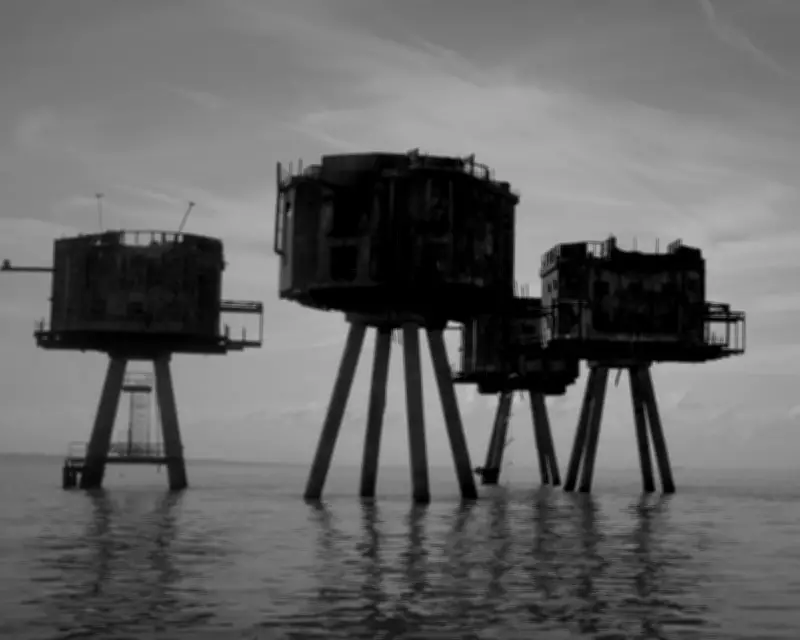
One of the most striking features highlighted in the documentary is the Maunsell sea forts off the coast of Whitstable in Kent. These rusted steel towers, built during World War II, stand on spindly legs like miniature oil rigs, evoking a Mad Max aesthetic. Their eerie presence underscores the estuary's blend of history and decay. However, on-screen captions detailing the explorer's observations sometimes feel clumsy, such as, "Several structures made it clear to me that this region had sustained a prolonged war." These moments lack the lyrical depth of Sinclair's work and can momentarily break the film's immersive spell.
Critique and Release
London's Last Wilderness is an experimental piece that succeeds in capturing the Thames estuary's haunting beauty but suffers from occasional self-indulgence and uneven pacing. Despite these flaws, it remains a compelling watch for those interested in unconventional documentaries about urban wilderness and environmental themes. The film is set for release in UK cinemas starting April 24, offering audiences a chance to embark on this unique cinematic journey.