Stefan Golaszewski's 'Babies' Explores the Silent Pain of Miscarriage
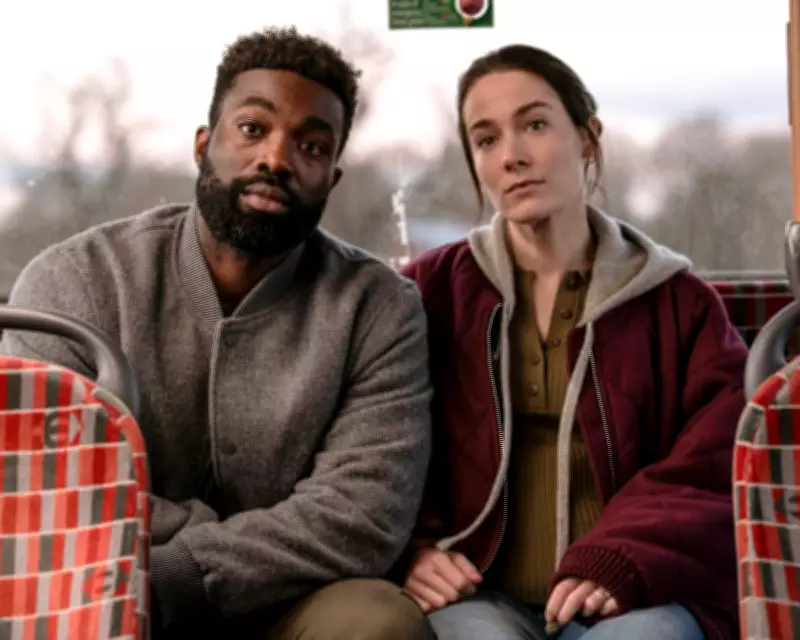
Stefan Golaszewski, the acclaimed creator behind beloved BBC sitcoms Him & Her and Mum, has ventured into deeply emotional territory with his latest series, Babies. This beautiful yet harrowing drama tackles the terror and cruelty of miscarriage, drawing from Golaszewski's personal experiences while maintaining his signature meticulous social realism. The show stars Siobhán Cullen and Paapa Essiedu as Lisa and Stephen, a married couple in their mid-30s grappling with the aftermath of their first pregnancy loss.
A Realistic Portrayal of Grief and Isolation
In Babies, viewers meet Lisa and Stephen as they attend a family gathering, only for Lisa to flee upon encountering a relative's new baby. This moment sets the tone for a narrative that explores the couple's profound isolation, as they struggle to share their grief with friends and family. Stephen's awkward attempts at comfort—such as offering a Solero ice cream or suggesting a trip to feed ducks—highlight the clumsy ways people often respond to trauma. The series not only depicts the personal agony of miscarriage but also critiques society's collective failure to address it openly.
For Siobhán Cullen, who plays Lisa, the role was an eye-opening experience. The Dublin-born actor, previously known for the Irish comedy-drama The Dry, noted that miscarriage is a topic at the forefront for many in their 30s, yet it remains shrouded in mystery. "It's crazy to me that I had come this far without knowing so much," Cullen reflects. "It gave me a massive insight into what so many people around me are now going through or have gone through." She emphasizes how the show underscores the "clumsiness we can all have with each other's feelings," where offhand comments can deeply wound those dealing with hidden pain.

Drawing from Personal and Societal Silence
Golaszewski wrote the script years after experiencing baby loss himself, though he stresses that Babies is not strictly autobiographical. "It's something that I've been through," he explains. "That experience isn't something I'd seen reflected [on TV] and it isn't something that people talk about. And then when you do go through it, suddenly everyone comes out the woodwork and tells you their stories." He attributes the silence around miscarriage to its association with death, which is inherently difficult to discuss, compounded by a societal tendency to medicalize the experience. Golaszewski suggests that if miscarriage had historically affected men's bodies, it might hold a more prominent place in public discourse.
The series also delves into themes of dysfunctional male friendship, exemplified by Stephen's relationship with his odious schoolmate Dave, played by Jack Bannon. Their interactions are filled with witless banter, serving as a metaphor for emotional avoidance. Paapa Essiedu, who portrays Stephen, likens their friendship to "old milk—it's on the turn." Golaszewski elaborates that such banter acts as a shield for men uncomfortable with vulnerability, rendering their conversations as meaningless as silence.
Artistic Evolution and Emotional Connection
Essiedu, a Londoner famed for roles in I May Destroy You and the upcoming HBO Harry Potter reboot, was eager to join the project due to his admiration for Golaszewski's previous work. "I read it and it wasn't rubbish. It actually was just extraordinary," he says. During filming, Essiedu discovered the precision of Golaszewski's writing, with every "um" and "like" meticulously scripted to enhance realism.
Stylistically, Babies marks a departure from Golaszewski's earlier crowd-pleasing sitcoms. While Marriage employed stark observation to keep audiences at a distance, this series uses naturalism to build an emotional connection. A key element in fostering this connection is the theme tune, a sweet indie ballad performed by Golaszewski himself. Originally planned to feature dance music, budget constraints led him to create the soundtrack, which adds a layer of poignant disenchantment without manipulating viewer emotions.

Impact and Broader Conversations
Babies has a lingering effect, seeping into viewers' minds long after watching. Its portrayal of everyday acts—like wiping down a sink or scrolling on a phone—mirrors the coping mechanisms of its characters, making the drama feel intimately relatable. More importantly, it advocates for a better way to discuss miscarriage. Cullen notes that filming made her a "more conscientious and kind" person, while Golaszewski hopes the series will broaden media conversations around baby loss. "You just feel so alone," he says of experiencing miscarriage. "The more people can be honest about it, hopefully the easier it will get for the next batch of poor souls going through it."
The show premiered on BBC One and iPlayer, offering a raw and necessary exploration of a topic often left in the shadows. Through its blend of heartfelt performance and unflinching realism, Babies challenges audiences to confront the silent pain of miscarriage and the urgent need for more compassionate dialogue.