The Unseen World of Female Radicalisation in Cinema
In recent years, mainstream media has extensively, if not always effectively, covered "incel" culture, with numerous films and documentaries exploring male radicalisation. From The Beast and Manodrome to Joker and even the Kens in Barbie, the focus has largely been on men. However, a significant gap remains in portraying "femcels"—women involved in toxic radicalisation—despite the rise of tradwife culture and the womanosphere, a network of female influencers promoting right-wing ideals.
The Irony of Overlooked Women in Film
The irony of women being overlooked in these narratives is stark, especially given that around 50% of white US women voted for Donald Trump in 2024. While not all female Trump voters are femcels, femcel culture differs from incel behaviour, often involving less aggressive platforms. Pink-pilled influencers, for instance, promote palatable versions of right-wing ideals, such as traditional lifestyles, acting as recruiting agents for further radicalisation. By erasing these key participants, cinema presents a limited view of the alt-right and its pathways to extremism.
Beyond Aestheticised Portrayals: A New Wave of Films
Cinema's attempts to understand women's dark online tendencies have often been limited to aestheticised films like Ingrid Goes West and Sick of Myself, which focus on Instagram obsessives. However, a handful of films are breaking new ground. Radu Jude's Do Not Expect Too Much from the End of the World, Pascal Plante's Red Rooms, and Kristoffer Borgli's The Drama delve deeper into female radicalisation, exploring complex themes beyond superficial online behaviour.

Case Studies in Femcel Cinema
In The Drama, Zendaya plays Emma, a character who reveals a past plan for a school shooting, sparking controversy over racial- and gender-blind casting. The film excels in showing how little empathy society shows towards women who emerge from dark paths, compared to men who are often treated with understanding. Similarly, Red Rooms features Kelly-Anne, a true-crime obsessed hacker whose nihilism leads to self-destructive tendencies, highlighting how online lives can override real-world morality.
The Varied Faces of Femcel Culture
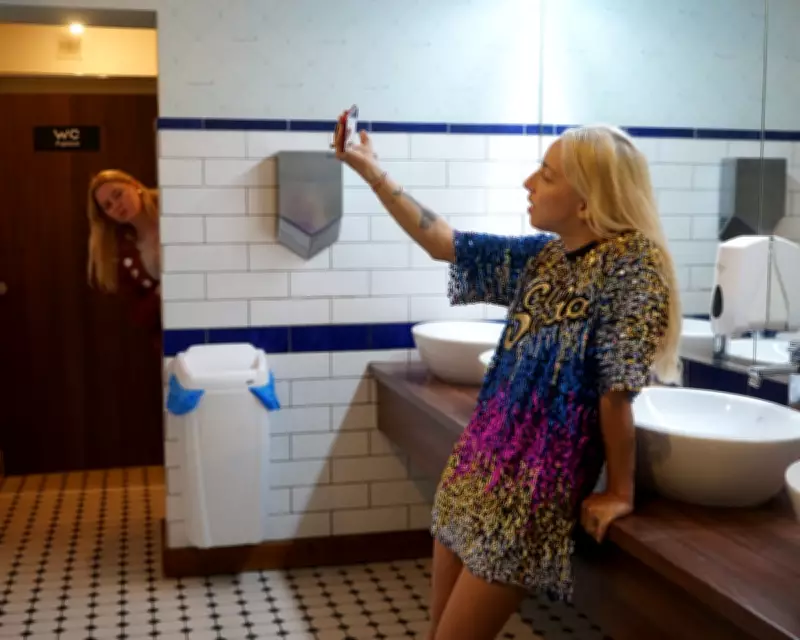
Femcel culture is as varied as its male counterparts, and films like Do Not Expect Too Much from the End of the World reflect this. Angela, played by Ilinca Manalache, capitalises on irony-laden controversy, using a filter with Andrew Tate's face to shout misogynistic rants. Her story hints at how influencer culture draws users into flirting with controversy, showcasing the vibrant yet purposeless online lives that contrast with dreary realities.
Why the Media Lags in Depicting Women's Radicalisation
Despite these films, depictions of female radicalisation remain rare. This gap may stem from a "benevolent" sexist view that sees women as inherently caring and motherly, as explored in Lois Shearing's book Pink-Pilled: Women and the Far Right. Characters like Emma, Kelly-Anne, and Angela challenge warm, socialised cliches of femininity, evoking moral ambivalence driven by profit-driven algorithms and the attention economy. Yet, they are often viewed as anomalies, failing to dissect women's roles in misogynistic realms.
The Role of Women in Softening Extremist Movements
While the manosphere's looksmaxxing men may seem extreme, they are aided by women in the far right who soften the movement's image, making it more palatable. Cinema must expand its focus to include these nuanced portrayals, reflecting the diverse ways women participate in and organise within radical spaces. By doing so, it can offer a fuller understanding of extremism and its many pathways.