The Devil Wears Prada 2's Starbucks Tie-In Leaves a Bitter Aftertaste
The announcement of The Devil Wears Prada 2's brand partnership with Starbucks has sparked widespread criticism, with many labeling it a tone-deaf move that highlights the film's disconnect from contemporary audiences. This theatrically released movie about glossy magazines arrives at a time when both cinema attendance and magazine sales are in steep decline, making the Starbucks collaboration seem like an awkward throwback to a bygone era.
An Unlikely Partnership in a Changing Landscape
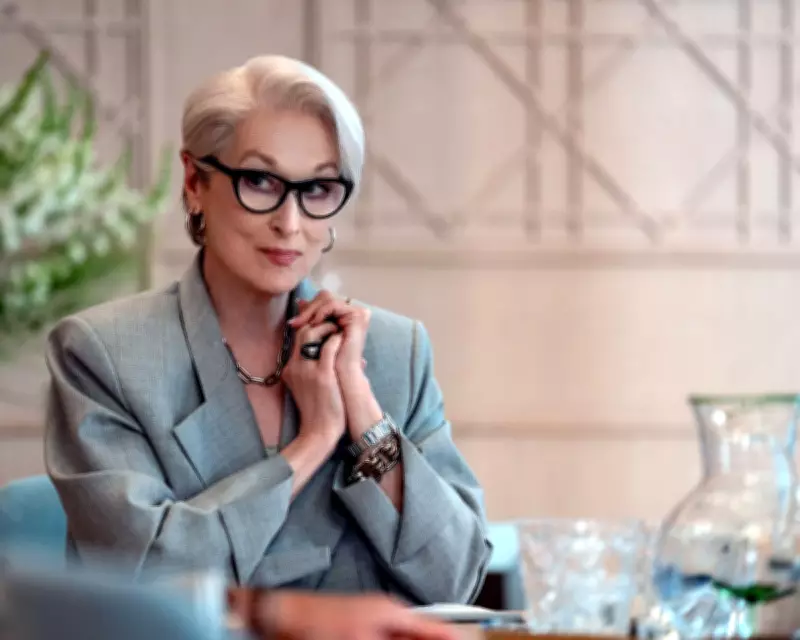
The Devil Wears Prada 2, featuring Meryl Streep and Anne Hathaway, has introduced a secret menu of Starbucks drinks inspired by its characters, including Miranda's no-foam latte and Andy's oatmilk cappuccino. However, this marketing strategy feels particularly out of touch given Starbucks' own fall from grace. Once seen as a premium third space, the coffee chain now struggles with quality issues and public perception, often avoided by coffee enthusiasts and casual customers alike.
In a franchise already steeped in nostalgia, the Starbucks tie-in stands out as the most jarring element. The film industry's instability and the magazine sector's collapse due to digital disruption make this partnership seem like a desperate attempt to recapture past glories rather than a forward-thinking promotion.

Nostalgia Cosplay or Strategic Misstep?
Some analysts suggest that The Devil Wears Prada 2 might be intentionally embracing mid-2000s nostalgia, targeting audiences who yearn for a simpler time before events like Brexit and Trump reshaped the global landscape. This era represented financial stability and cultural comfort, where Starbucks symbolized sophistication and glossy magazines like Vogue thrived.
- The film's release coincides with a cultural moment where many seek escape into pre-crisis memories.
- Starbucks' historical prestige, including its own magazine and record label, contrasts sharply with its current reputation.
- Modern consumers often associate Starbucks with overcrowded locations and maintenance issues, as highlighted in viral social media posts.
Yet, this strategy risks alienating viewers who expect contemporary relevance. The partnership ignores how both industries have evolved, with Starbucks losing its aspirational appeal and magazines becoming digital-first entities.
The Broader Implications for Film Marketing
This case study raises questions about the effectiveness of nostalgia-driven marketing in 2026. While The Devil Wears Prada 2 could attract a niche audience nostalgic for the 2000s, it may fail to resonate with younger demographics or those critical of corporate overexpansion. The film's alignment with a brand perceived as past its prime could undermine its box office potential and critical reception.
Ultimately, The Devil Wears Prada 2's Starbucks tie-in serves as a cautionary tale for the entertainment industry. As audiences and markets shift, successful promotions must balance nostalgic appeal with modern sensibilities, avoiding partnerships that feel outdated or irrelevant in today's fast-paced world.