From Helpline Caller to Charity Leader: A Lesbian's Journey of Visibility
Laura Wilkinson vividly recalls the tears streaming down her face as she confessed to her mother that she was a lesbian back in 2005. At just 15 years old, she felt overwhelmed by confusion and fear, but her mother's immediate response was one of unwavering support. Together, they searched through a phone directory and discovered the LGBT Foundation helpline, a moment that would profoundly alter the course of Laura's life.
The Lifeline Call That Changed Everything
Speaking to a volunteer from the helpline, Laura expressed her fears about having a crush on a friend and the terror of others finding out. The volunteer reassured her that her feelings were completely normal, emphasizing that she didn't need to have all the answers immediately and could take things one day at a time. This conversation provided crucial reassurance that she should only come out when she felt ready, without any external pressure.
This support came during a period when Laura was growing up under Section 28, which prohibited the "promotion of homosexuality" in schools, creating an educational void where LGBTQ+ discussions were entirely absent. The lack of representation made it difficult for her to envision what her future as an out lesbian might look like.
The Challenges of Coming Out in Hostile Environments
After coming out to her mother, Laura faced significant challenges when she was unexpectedly outed at school. One friend shared her secret, leading to widespread knowledge among her peers. She endured bullying, with names and notes being thrown at her, and was even chased home. A teacher's concerned inquiry about her wellbeing highlighted the difficult environment she navigated daily.
Media representation at the time offered little comfort, with LGBTQ+ characters typically portrayed as older individuals or stereotypes. It wasn't until her later teenage years that television shows like Sugar Rush and Skins provided her first glimpse of younger lesbians on screen, offering something she could finally relate to.
Finding Safe Spaces and Facing Hostility
At 16, Laura secretly attended a Pride event, filled with both excitement and fear of being recognized. A more positive experience came during a day trip to Manchester's Gay Village at 18, where she could safely hold hands with her girlfriend. However, the journey back to Blackburn was marred by shouted abuse, creating a stark contrast between safe spaces and hostile environments.
After traveling and working overseas, Laura returned to Manchester seeking community connection. She pursued various roles in the charity sector, driven by a desire to make a positive impact. Throughout her work as a youth worker, she consciously wore rainbow lanyards or badges to provide visible support for young LGBTQ+ individuals.
Coming Full Circle at LGBT Foundation
At 32, a friend sent Laura a job advertisement for a position at LGBT Foundation. The opportunity immediately brought back memories of her transformative helpline call. After building confidence through conversations with loved ones, she applied and found the interview process remarkably inclusive.
During her interview, Laura shared how the helpline had supported her personal development. The panel's warm reaction reflected the organization's understanding of personal connections to their work. When she secured the position, she was overjoyed to discover it would become much more than just a job.
Leading with Purpose and Visibility
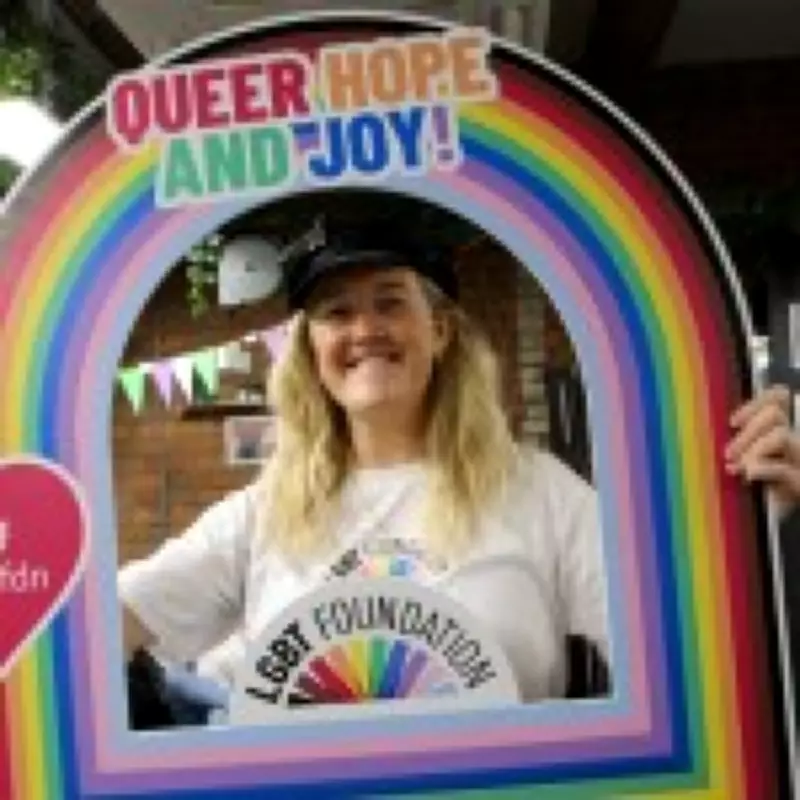
Now serving as the charity's operations overseer for two and a half years, Laura works alongside passionate colleagues and volunteers dedicated to LGBTQ+ health, wellbeing, and safety. She reflects on her journey from helpline caller to visible leader, inspired by mentors like Chair of Trustees Jax Effiong and other queer women in leadership positions.
Laura emphasizes that for queer individuals in a heteronormative world, coming out is not a single event but an ongoing process that occurs with new jobs, new acquaintances, and daily interactions. This understanding fuels her commitment to being a visible, supportive presence for others.
The Importance of Lesbian Visibility Week
As Lesbian Visibility Week approaches from April 20-26, 2026, Laura's story highlights the week's significance in increasing awareness and celebrating lesbian achievements worldwide. The annual celebration promotes inclusivity within the broader LGBTQ+ community while addressing specific challenges faced by lesbians in society.
Laura's journey has come full circle—from seeking help during a vulnerable moment to now providing support through the same organization. She wishes she could reassure her teenage self that everything would be okay and that queer joy awaits. Her emotional reflection underscores why organizations like LGBT Foundation exist: to ensure nobody has to navigate their journey alone.
For those struggling with their identity or coming out process, Laura emphasizes that help is available and a future of living authentically is possible. She encourages both LGBTQ+ individuals and allies to support charities and community groups, as such support can make all the difference—just as it did for her all those years ago.