Australia's Social Cohesion Crisis Rooted in Colonial Violence and Land Theft
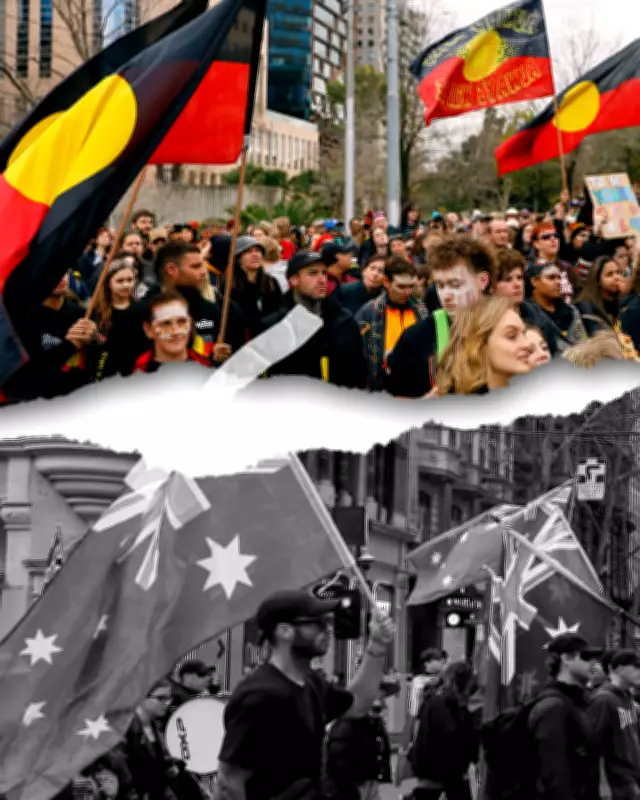
Australia faces a profound social cohesion crisis that cannot be understood without confronting its violent colonial origins. Author Melissa Lucashenko argues that the nation's current divisions stem not from recent events but from foundational atrocities committed against Indigenous peoples during settlement.
The Colonial Foundation of Australian Society
The Great Australian Dream of home ownership was built on stolen land through systematic violence. Lucashenko contends that "murdering innocent civilians, including small children and infants, was absolutely central to establishing" this national aspiration. This brutal foundation created what she describes as "a white man's fantasy" of social cohesion that continues to exclude Indigenous perspectives and experiences.
Historical Violence and Contemporary Consequences
The article traces a direct line from early colonial massacres to modern-day racism and discrimination. In 1816, Governor Macquarie ordered troops to kidnap Gandangara people at Appin, instructing that any resistance be met with execution and public display of bodies "to strike the greater terror into the survivors." This pattern of terror continued throughout Australian history, with tens of thousands of Aboriginal and Torres Strait Islander people murdered across the continent.
"Only wilful forgetting can paint Bondi as singular," Lucashenko writes, referring to the December terrorist attack that killed fifteen people. While acknowledging the horror of that event, she emphasizes that Australia has experienced "literally scores of Bondis" throughout its history, with Indigenous Australians overwhelmingly as targets.
Ongoing Racism and Systemic Discrimination
The violence has evolved but persists in contemporary Australia:
- In 2024, a speeding motorist who killed an Aboriginal pedestrian and injured another received only home detention after sending racist texts describing his actions as a "two for one combo" against "oxygen thieves"
- More than 600 Indigenous people have died in police custody since the 1988 royal commission into Aboriginal deaths in custody
- A bomb containing screws, ball-bearings and explosives was thrown into a First Nations rally in Perth in January 2026, narrowly avoiding mass casualties
- Online hate speech against Indigenous people has surged following the voice to parliament referendum
Government Responses and Indigenous Perspectives
Following the Bondi attack, the Albanese government established a royal commission on antisemitism with additional responsibility for investigating social cohesion. However, Indigenous leaders argue this approach remains incomplete. Federal Minister for Indigenous Australians Malarndirri McCarthy has announced a Senate inquiry into anti-Indigenous racism, while Senator Lidia Thorpe advocates expanding the Bondi royal commission's terms to include Aboriginal and Torres Strait Islander experiences.
"Australia does have a serious problem with social cohesion, but it's no good pretending it's recent," Lucashenko concludes. She traces the unraveling to the initial failure of the British crown to negotiate treaties with Indigenous nations, asserting that true social cohesion requires acknowledging this historical injustice. "No justice, no peace" serves as her stark assessment of what's needed for genuine reconciliation.
The Path Forward
Rebuilding social cohesion in Australia requires confronting uncomfortable truths about the nation's foundation. This includes recognizing that:
- Historical massacres were not isolated incidents but systematic terrorism designed to secure land
- Contemporary racism and discrimination against Indigenous Australians continues this legacy
- Government inquiries and commissions must fully address anti-Indigenous racism alongside other forms of discrimination
- True social cohesion requires justice for historical wrongs and equitable participation for all Australians
The article presents a challenging perspective on Australia's social fabric, arguing that the nation cannot achieve genuine unity without confronting the violent origins of its settlement and addressing ongoing injustices against First Nations peoples.