Female Comedians Confront Rampant Harassment and Inadequate Safeguards on Live Circuit
Sexual harassment and abuse are pervasive and under-reported within the live comedy sector, with women often lacking formal protections and resorting to informal warning systems that carry significant risks, a parliamentary committee has been told.
Informal 'Whisper Networks' as a Shadow Safeguarding System
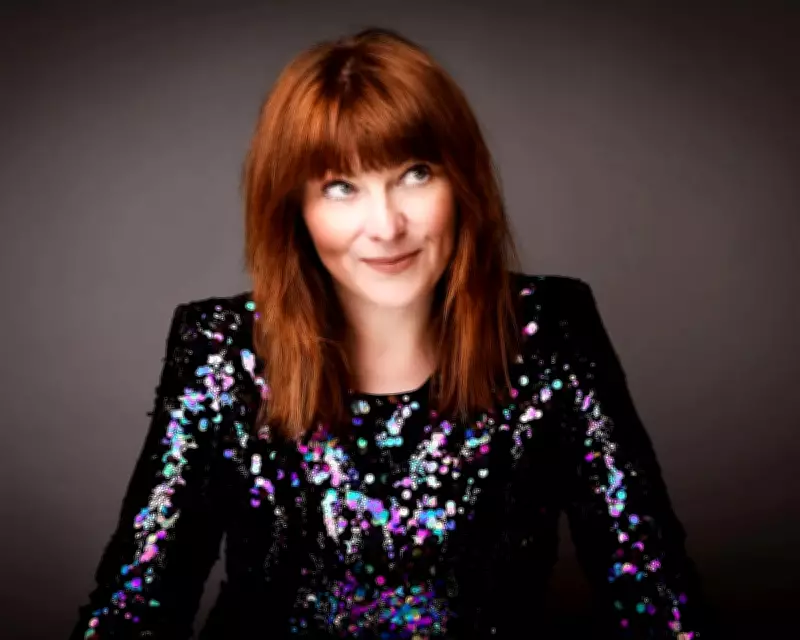
Comedian Nina Gilligan, co-founder of the industry body Get Off Live Comedy, testified before the cross-party women and equalities committee, chaired by Labour MP Sarah Owen. "Female comedians rely on so-called 'whisper networks', a shadow safeguarding system where warnings and experiences are shared on private WhatsApp threads," Gilligan explained. These networks have become essential in an industry dominated by freelance work, opaque booking practices, and significant power imbalances, where traditional employment safeguards are difficult to enforce.
However, reliance on these informal systems exposes women to legal and professional dangers. "I know women who have shared information and been slapped with cease and desist notices, and accusations of defamation," said Gilligan. "There's also the quieter but equally damaging threat of being sidelined or blacklisted by promoters and bookers in what is a tightly connected circuit."

Research Reveals Widespread Harassment and Systemic Vulnerabilities
Research conducted by Get Off Live Comedy, surveying over 800 workers, found that more than one in five people had experienced or witnessed sexual harassment. More than 70% reported being told about inappropriate behaviour by colleagues. While this figure aligns with broader UK workplace estimates, the impact is intensified in comedy due to its fragmented structure.
"The difference for female comedians is that the informal nature of the comedy world means they've got nowhere to turn when something goes wrong," Gilligan emphasized. Journalist Rachael Healy added that sexual assault is "incredibly widespread and endemic" across the industry, affecting not only performers but also stage managers, venue managers, and producers. The absence of HR departments, company structures, or regular colleagues on the comedy circuit leaves individuals without recourse.
Additional Barriers: Financial Insecurity and Caring Responsibilities
The committee also examined how pregnancy, childcare, and other caring responsibilities disproportionately affect female comedians. Insecure income, pay disparities compared to male comedians, late-night working, unsafe environments, and demanding travel schedules make combining comedy with caring duties particularly challenging.
Recent sector-wide research highlights this insecurity, with average earnings in UK live comedy falling to approximately £21,000 in 2025. A growing majority of performers now require additional work outside the industry, conditions that campaigners argue further discourage reporting and increase vulnerability.
Comedian Ola Labib shared poignant testimony: "I know female comedians who have lost the opportunity to have kids because they have put off having a family because they think it's going to affect their careers. It's really sad and upsetting but I know a lot of female comedians who feel they can't have a kid and a career."
The session underscored the urgent need for structural reforms to protect women in live comedy, addressing both harassment and the systemic barriers that perpetuate inequality and risk.