
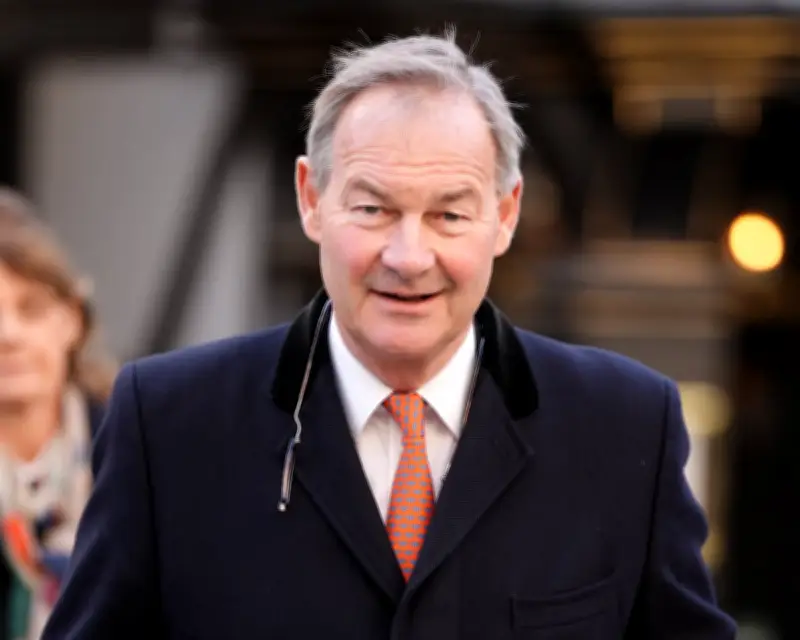
Reform UK MP Rupert Lowe has publicly called on party leader Nigel Farage to work with the Restore Britain party, a breakaway group led by former Conservative donor Richard Tice. In an interview with The Guardian, Lowe suggested that a merger between the two parties could consolidate the right-wing vote and avoid splitting it in future elections.
Lowe's proposal for unity
Lowe, who represents Great Yarmouth, argued that the current fragmentation of right-wing politics benefits the Labour Party. He stated, "We need to be pragmatic. If we split the vote, we hand seats to Labour. A united right is the only way to win a majority." The MP emphasised that Restore Britain, which was founded in 2025, shares many of Reform UK's core policies, including lower taxes, stricter immigration controls, and a tougher stance on net zero.
The call comes amid ongoing tensions within Reform UK, with some members expressing frustration over Farage's leadership style and the party's direction. Lowe, who has previously clashed with Farage over policy and strategy, insisted that his proposal was not a leadership challenge but a practical move to maximise electoral success.
Restore Britain's response
Richard Tice, leader of Restore Britain and a former Brexit Party MEP, responded cautiously to Lowe's overture. In a statement, Tice said, "We are open to discussions with anyone who shares our vision for a sovereign, prosperous Britain. However, any merger must be based on principles, not just electoral arithmetic." Restore Britain currently has no MPs but has been building local support, particularly in the Midlands and the North of England.
Political analysts note that a merger could significantly alter the electoral landscape. According to a recent poll by YouGov, a combined right-wing party could attract up to 22% of the national vote, potentially making it the third-largest political force in the UK. However, the same poll indicated that a significant portion of Reform UK supporters would not back a merger, preferring to maintain the party's distinct identity.
Implications for the next general election
The next general election is expected to be held in 2029, and both parties are already preparing their campaigns. Lowe's proposal has sparked debate among political commentators, with some viewing it as a realistic strategy to counter Labour's dominance, while others see it as a distraction from more pressing issues.
In response to Lowe's comments, a spokesperson for Reform UK said, "The party is focused on delivering for the British people. We have no plans to merge with any other party at this time." Farage himself has not yet publicly commented, but sources close to him suggest he is unlikely to support a merger, given his desire to maintain control over the party's direction.
Historical context
This is not the first time that right-wing parties have considered uniting. In 2019, the Brexit Party and the Conservative Party under Boris Johnson agreed to an electoral pact to avoid splitting the Leave vote. That arrangement was credited with helping the Conservatives win a large majority. However, the political landscape has changed significantly since then, with the emergence of Restore Britain and the ongoing fallout from the Brexit process.
Lowe's proposal also comes at a time when trust in mainstream politics is low. According to a survey by the Hansard Society, only 32% of the public believes that the political system is working well. This discontent has created opportunities for new parties, but it also poses challenges for those seeking to unite disparate factions.
What happens next?
It remains to be seen whether Lowe's call will lead to formal talks between Reform UK and Restore Britain. Both parties have announced upcoming conferences, where the issue is likely to be discussed. In the meantime, political observers will be watching closely to see if other senior figures in Reform UK echo Lowe's sentiments.
For now, the ball is in Farage's court. As one insider put it, "Nigel is the kingmaker. If he sees merit in unity, it will happen. If not, the idea will wither." The outcome could shape the future of right-wing politics in Britain for years to come.




